← Exit
Module 4 · The Hierarchy of Control0% complete · 13 slides left
Risk Assessment
Risk Assessment
Module 4
This course contains audio. Use headphones in public places.
Introduction
Introduction

In the previous module, you learned how to check whether existing controls are adequate, and whether more are needed. For most hazards, established controls and guidance are readily available.

Sometimes, though, you must decide which of several control options is the most suitable and effective for the work in your workplace.

This module explains the hierarchy of control: a framework that helps you choose the safest and most appropriate controls, so that your risk assessment is suitable and sufficient.
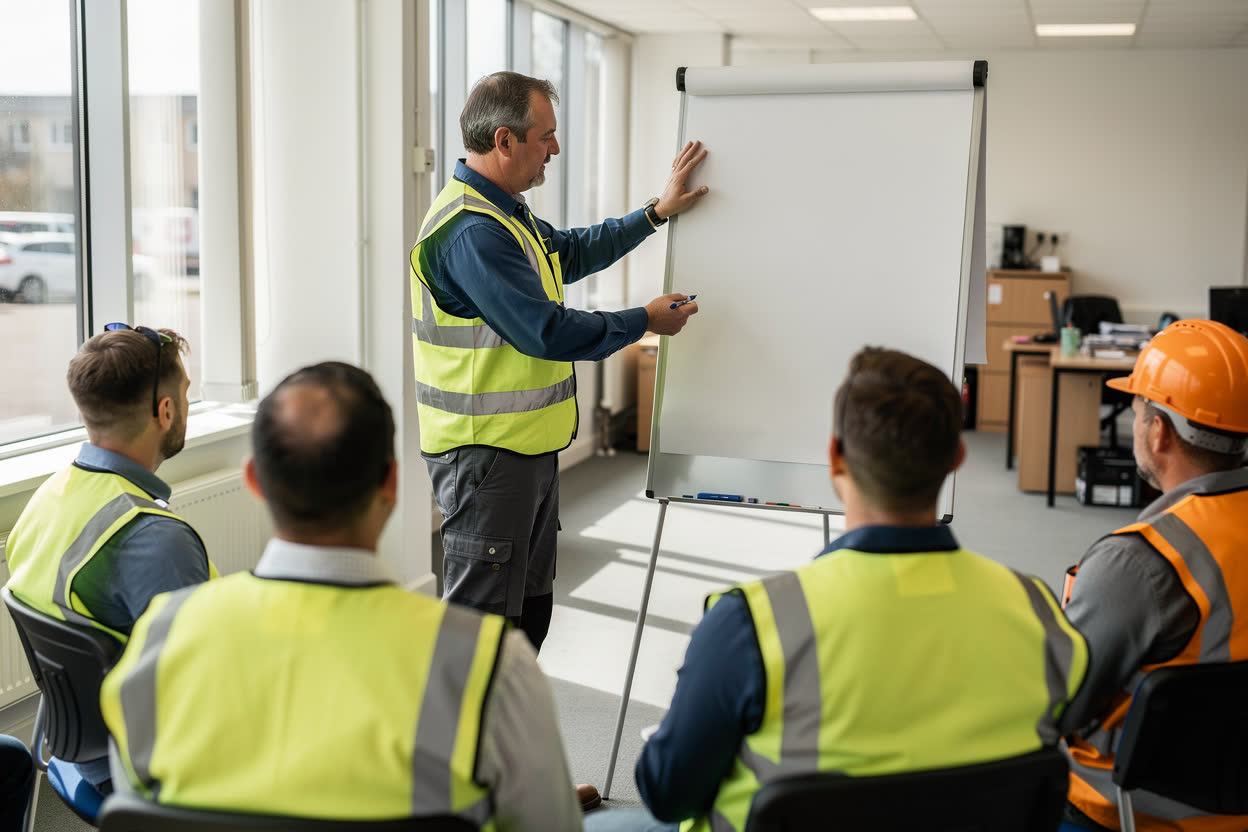
The Five Levels
The Five Levels

Work through the hierarchy in order, starting at the top, which is the most effective:

  • Elimination. Can the hazardous task or process be removed altogether?
  • Substitution. Can materials or processes be replaced with safer alternatives?
  • Engineering controls. Can equipment be adapted to reduce exposure, for example by enclosing the process?
  • Administrative controls. Can the way work is organised be changed to make it safer?
  • Personal protective equipment, or PPE. What PPE is needed for any risk that remains?

PPE is always the last resort.

Elimination
Elimination

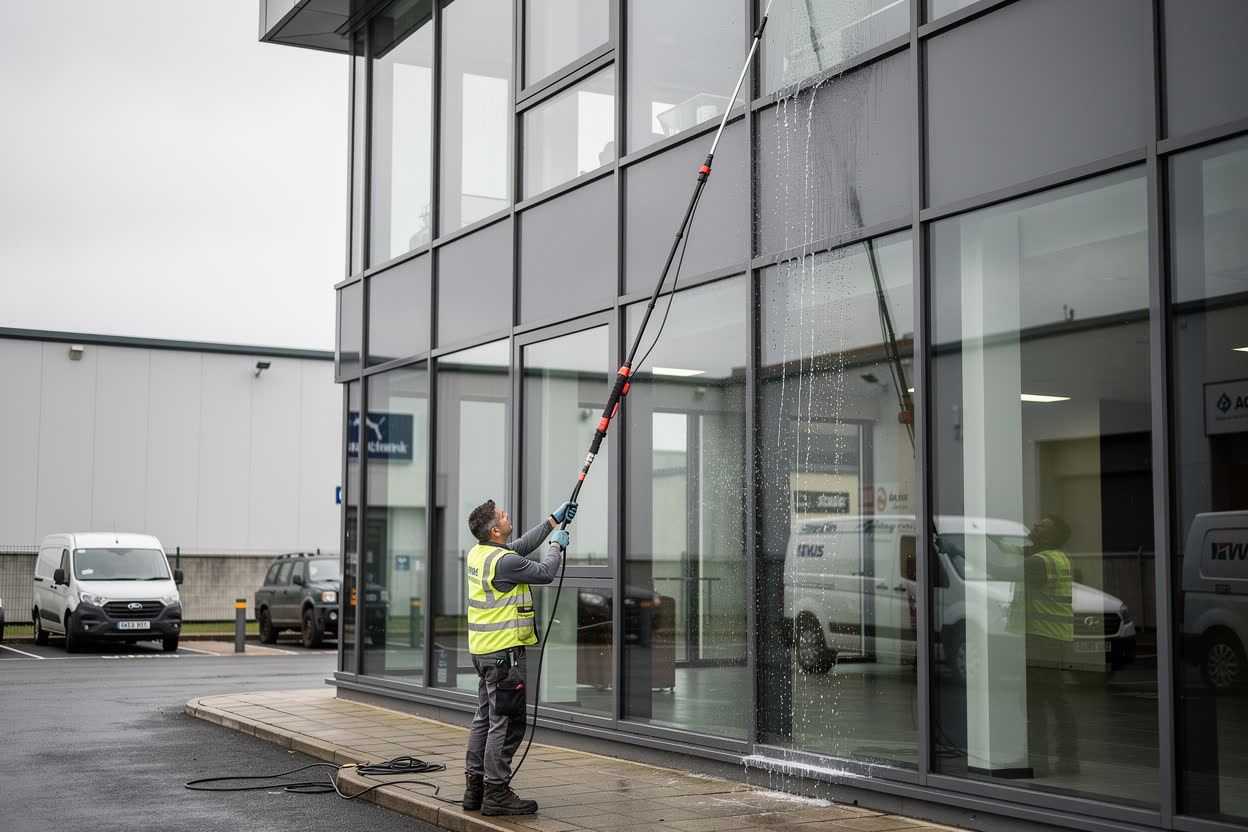
Always start by asking: is there a safer way to do this task, so the hazard is removed altogether? Examples include:

  • Using extension poles to clean windows from the ground, so nobody has to work at height.
  • Setting fixed office hours, so nobody has to work alone late at night.
  • Installing mechanical stock retrieval in storage areas, so staff no longer climb to reach stock.

Where the hazard cannot be eliminated, move to the next level: substitution.

Substitution
Substitution

Where elimination is not possible, replace the process or substance with something less hazardous. Examples include:

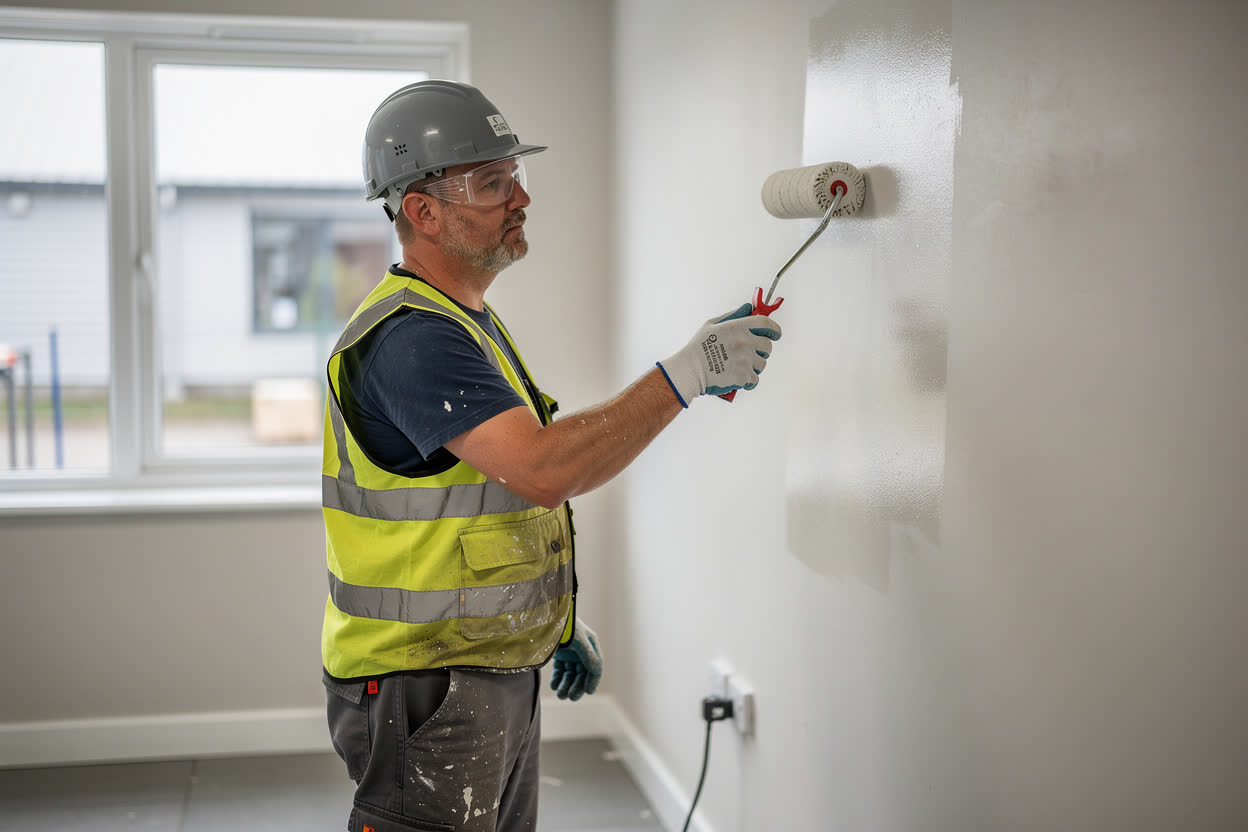
  • Choosing water-based paints instead of solvent-based products.
  • Using prefabricated sections assembled at ground level, instead of building at height.
  • Using cold-cutting methods instead of abrasive wheels.
  • Using automated handling systems to move loose materials, for example in food manufacturing.

Elimination and substitution are the most effective controls. Safer methods often carry little or no risk, and can save money in the long run.

Knowledge Check
Choosing water-based paints instead of solvent-based products is an example of which control?
Select one answer, then press Check.
Substitution
Engineering control
Administrative control
Personal protective equipment
Correct. Replacing a hazardous substance with a less hazardous one is substitution.
Not quite. Swapping a hazardous product for a safer one is substitution, the second level of the hierarchy.
Engineering Controls

Where a hazard cannot be eliminated or substituted, engineering controls reduce the risk at source. Examples include:

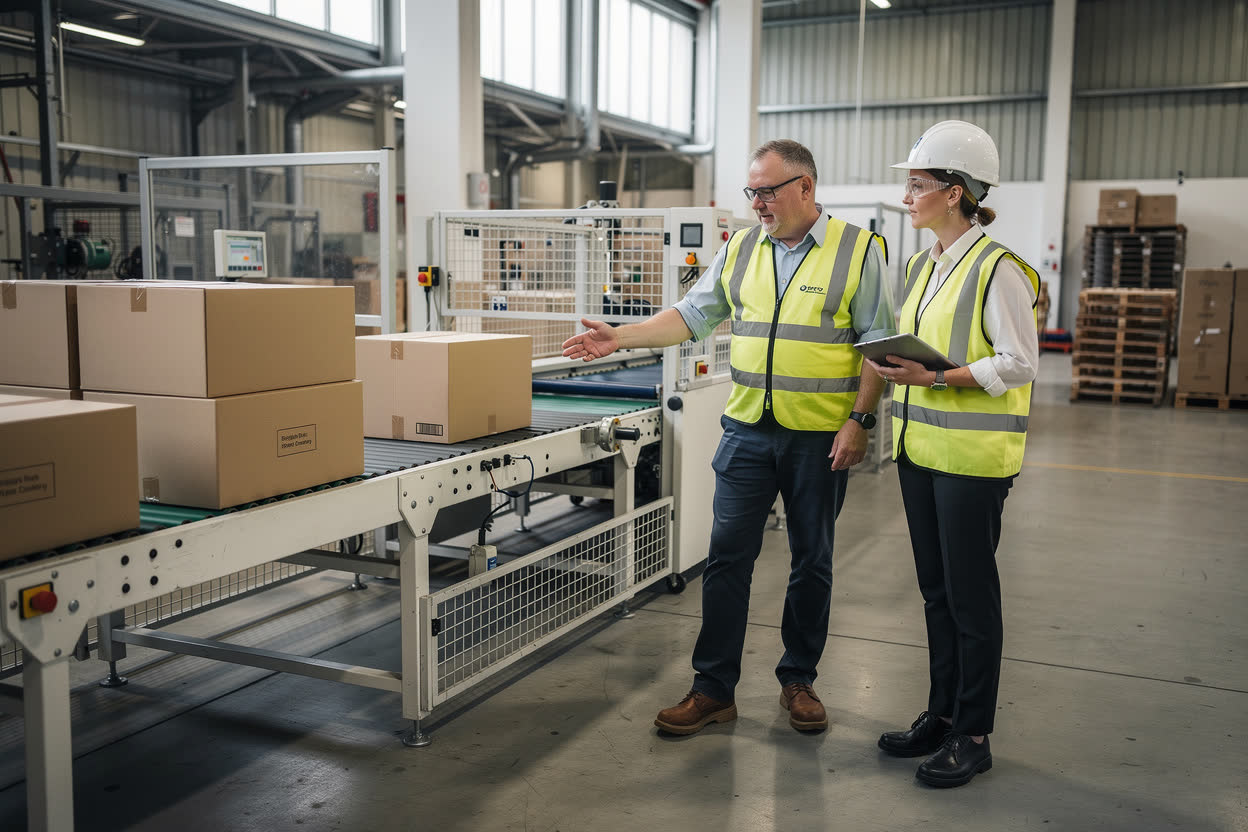
  • Machinery guards, such as fixed, interlocked or movable guards, or photoelectric safety devices.
  • Safety-engineered equipment, such as medical sharps with built-in safety features.
  • Physical protection, such as guardrails along raised walkways and mobile platforms.
  • Isolation, such as coded locks on restricted areas, or isolating patients with high-risk infections.
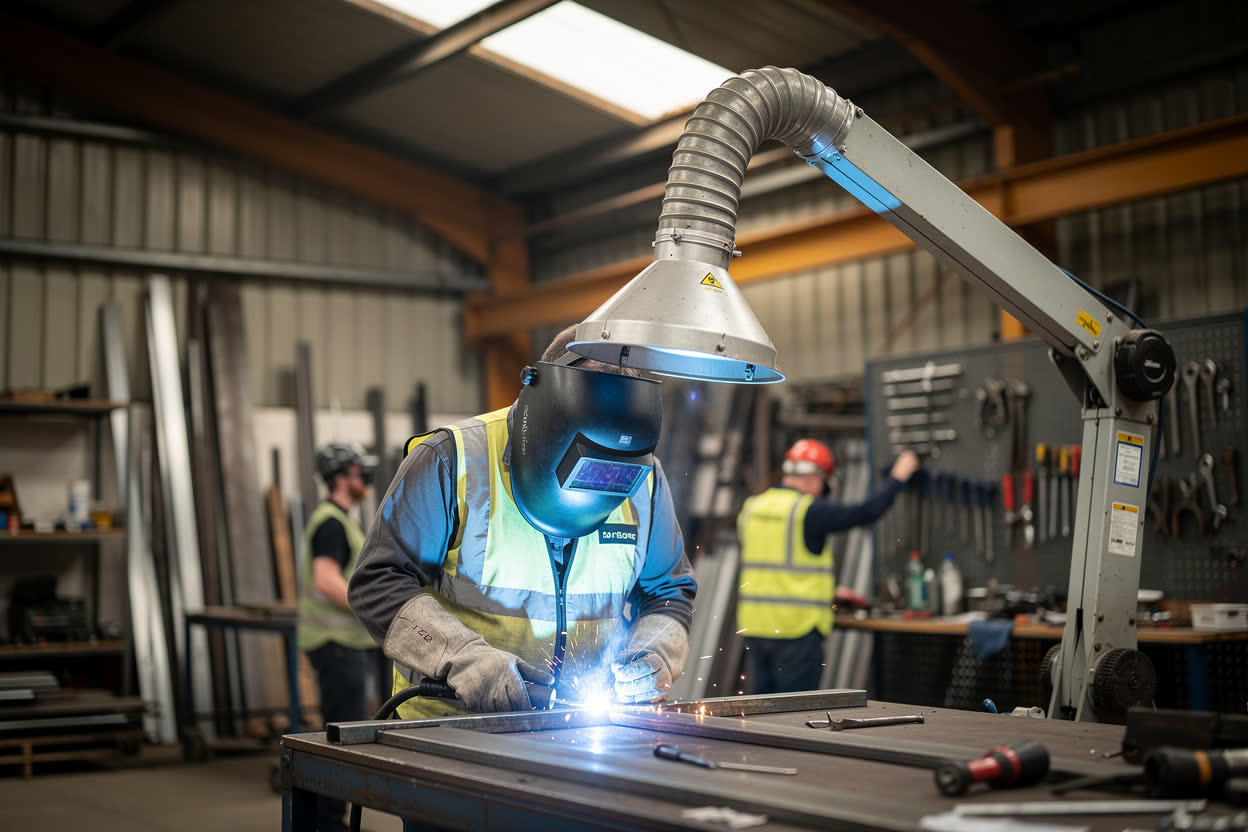
  • Local exhaust ventilation, which removes fumes at the point where they are made, for example during welding.
Maintaining Engineering Controls

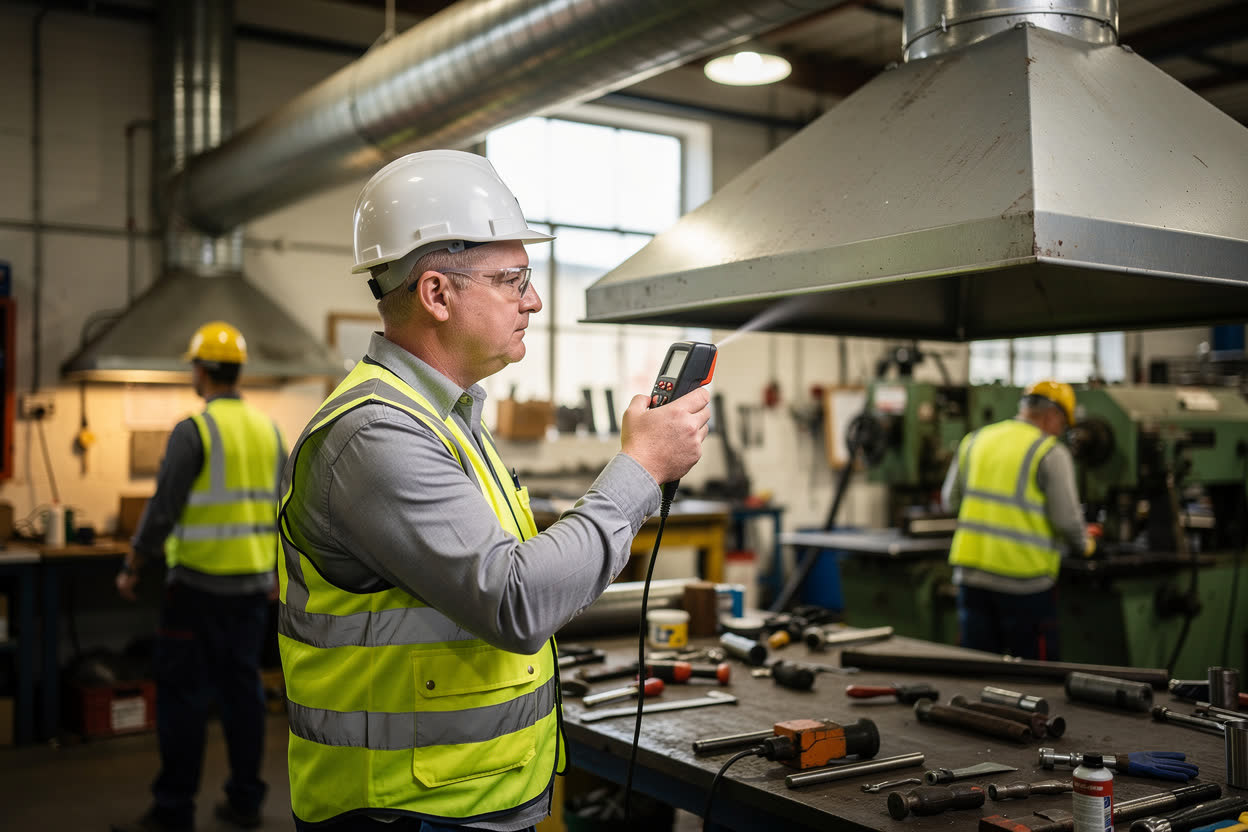
Engineering controls only work if they are inspected and maintained. Many inspections are required by law, for example checks on power press guards, thorough examination and testing of local exhaust ventilation, and inspections of scaffolds and working platforms.

Your risk assessment should set out:

  • The inspections and examinations needed for each item.
  • How often they must take place.
  • Who is responsible for carrying them out.
  • What records must be kept.
Administrative Controls

Once elimination, substitution and engineering controls have been considered, administrative controls manage the risks that remain. They change the way work is organised and carried out. Examples include:

  • Safe systems of work, put in place and enforced.
  • Limiting how long employees are exposed to noise or vibration.
  • Training, and the information needed to work safely.
  • Periodic drug testing for staff in safety-critical roles, such as transport, construction or care.
  • Good housekeeping, and personal hygiene routines.
Safe Systems of Work

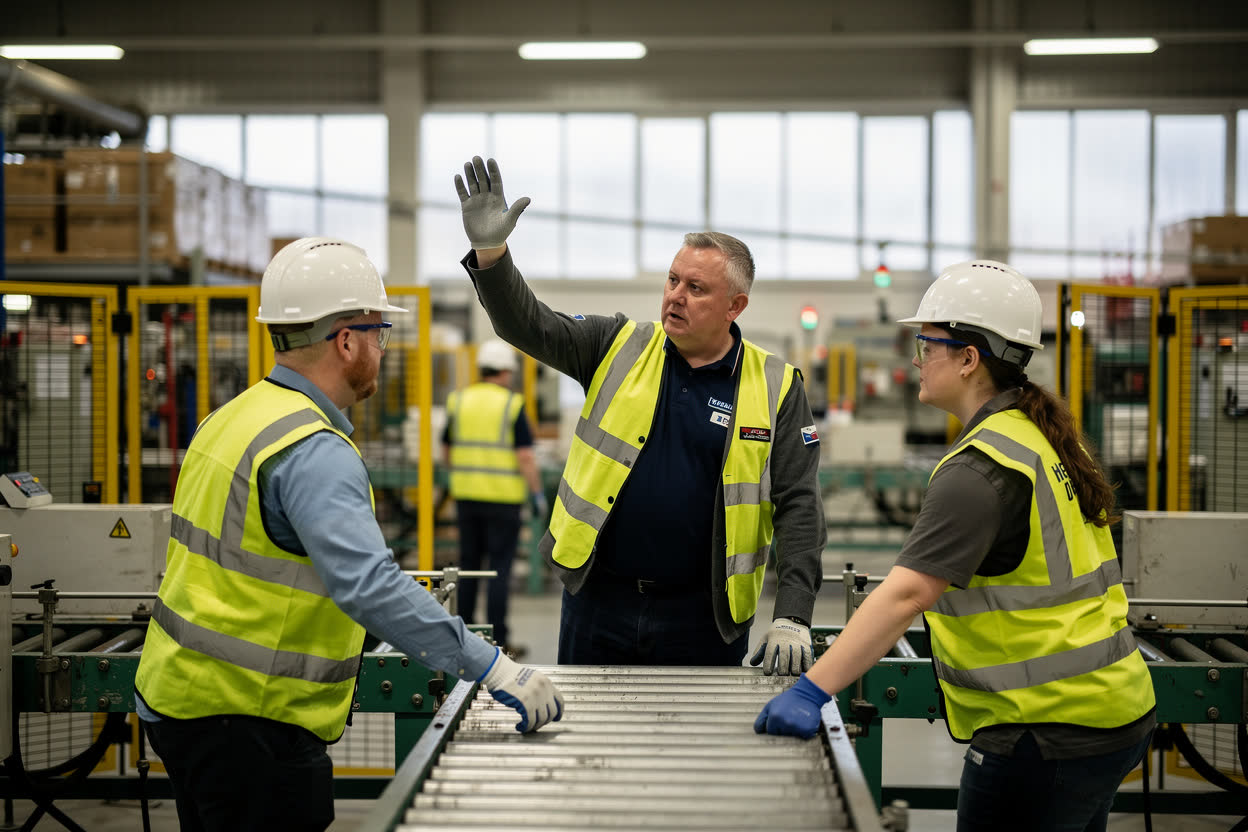
A safe system of work brings together physical controls, procedures, plans, training and information, so that an activity is carried out safely by everyone involved. It must set out the equipment, competence and procedures needed.

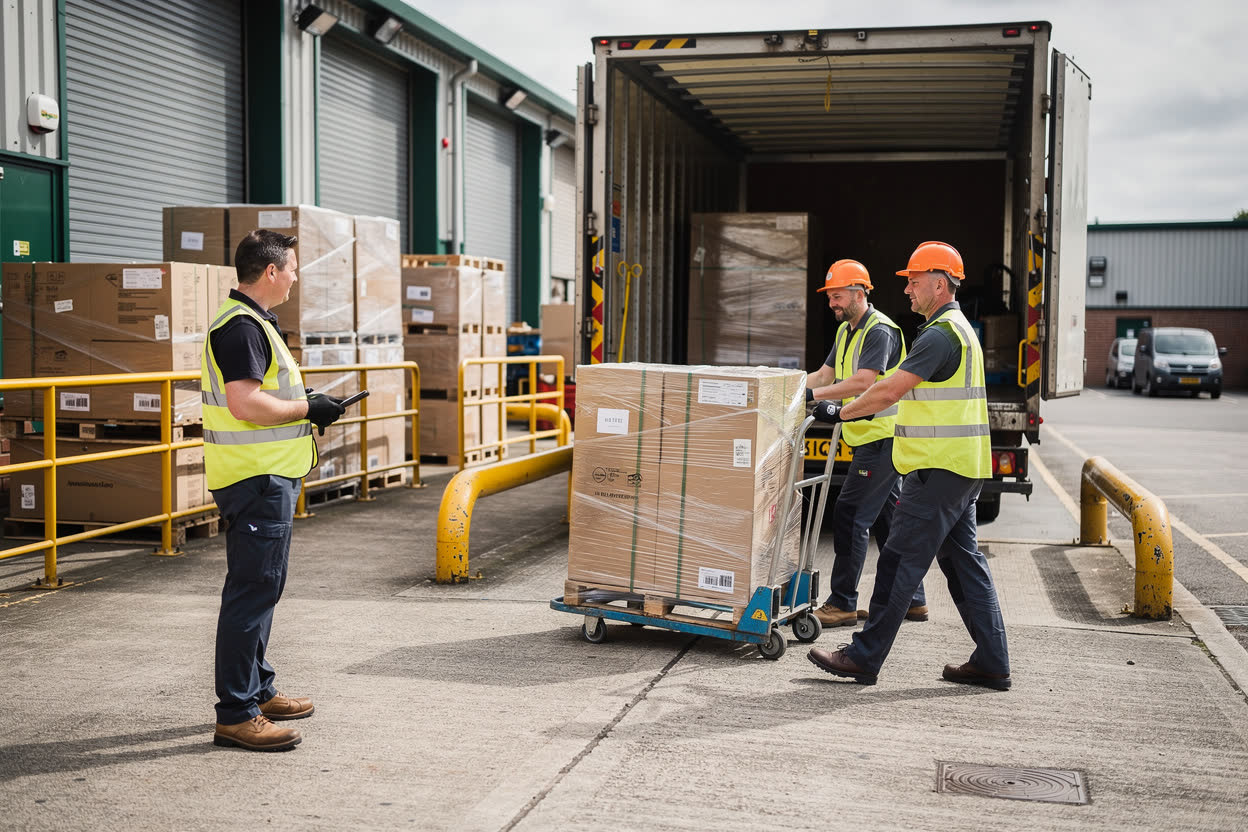
For example, unloading, moving and storing goods in a warehouse with handling equipment is best covered by a safe system of work that describes each stage in detail.

In construction, method statements are widely used. Check that they include enough detail on equipment, procedures and competence.

Information, Instruction and Training

Employers must give employees, and contractors, the information, instruction, training and supervision they need to work safely. This makes sure people know:

  • The hazards and risks they may face in their work.
  • The steps to take to deal with those hazards.
  • The emergency procedures to follow.

Your risk assessment should identify the training, instruction and information each person needs, and when they need it. Employers must also provide practical, site-specific instruction where the work requires it.

Personal Protective Equipment

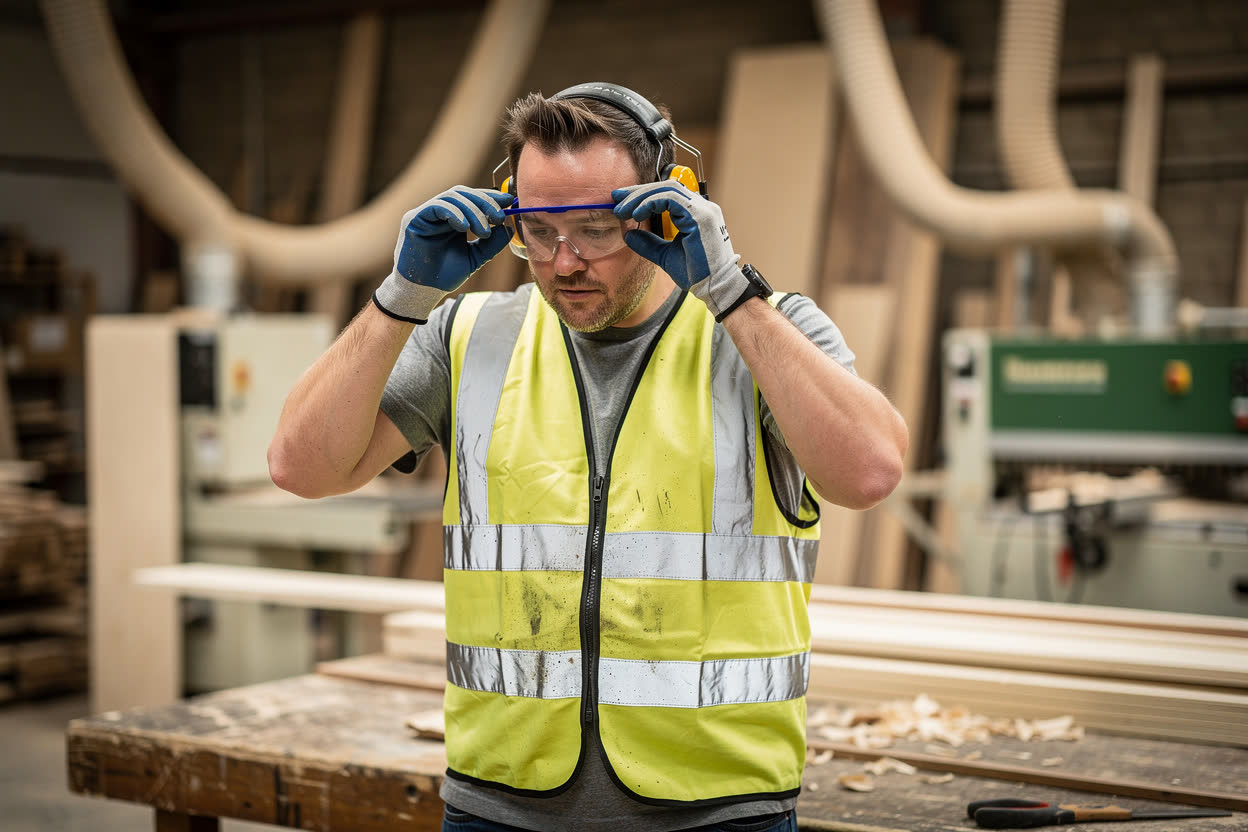
Personal protective equipment, or PPE, sits at the bottom of the hierarchy. It should only be used as a last resort, where the remaining risk cannot be controlled in any other reasonably practicable way. PPE only protects the wearer, and only if it fits and is worn correctly.

Some activities, such as work at height, have their own detailed hierarchies. Even there, personal protection such as a harness is the last resort, never the first choice.

More complex PPE, such as breathing apparatus, must be examined regularly by a competent person.

Summary

In this module, you have learned that:

The hierarchy of control starts with elimination and substitution, such as using water-based paints.

Engineering controls, such as machinery guards, come next, followed by administrative controls and safe systems of work.

PPE sits at the bottom of the hierarchy, and should only ever be used as a last resort.

In the next module, we will look at reviewing and updating your risk assessment.

Knowledge Check
Introducing periodic drug testing for staff in safety-critical roles is an example of which control?
Select one answer, then press Check.
Engineering control
Substitution
Elimination
Administrative control
Correct. Drug testing changes the way work is organised and managed, so it is an administrative control.
Not quite. Drug testing does not change the equipment or remove the hazard. It is a way of managing how people work, so it is an administrative control.
Next Module →Answer the question to unlock the next module.
Page 1 of 14