← Exit
Module 3 · Carrying Out Effective Risk Assessments0% complete · 17 slides left
Risk Assessment
Risk Assessment
Module 3
This course contains audio. Use headphones in public places.
Introduction
Introduction

Carrying out a risk assessment means identifying anything in the workplace that could cause harm, and deciding what is needed to remove or reduce the risks, so far as is reasonably practicable.

The Health and Safety Executive, or HSE, recommends five steps:

  • Identify the hazards.
  • Decide who may be harmed, and how.
  • Evaluate the risks, and decide on controls.
  • Record the significant findings, and put the controls in place.
  • Review and update the assessment regularly.

This module focuses on the first four steps.

Hazard and Risk
Hazard and Risk

The words hazard and risk are often confused, but you need to understand the difference.

  • A hazard is anything with the potential to cause harm. Examples include slippery floors, hazardous substances, moving machinery, electricity, working at height and manual handling.
  • A risk is the likelihood that a hazard will actually cause harm, together with how severe that harm could be.

A task, a substance or a piece of equipment is a hazard if it could injure someone or damage their health.

Hazard and Risk in Practice

A machine with moving parts is a hazard. If it has proper guards, and a safe system of work is followed, the risk of injury is low. If the guards are damaged or removed, the risk rises sharply.

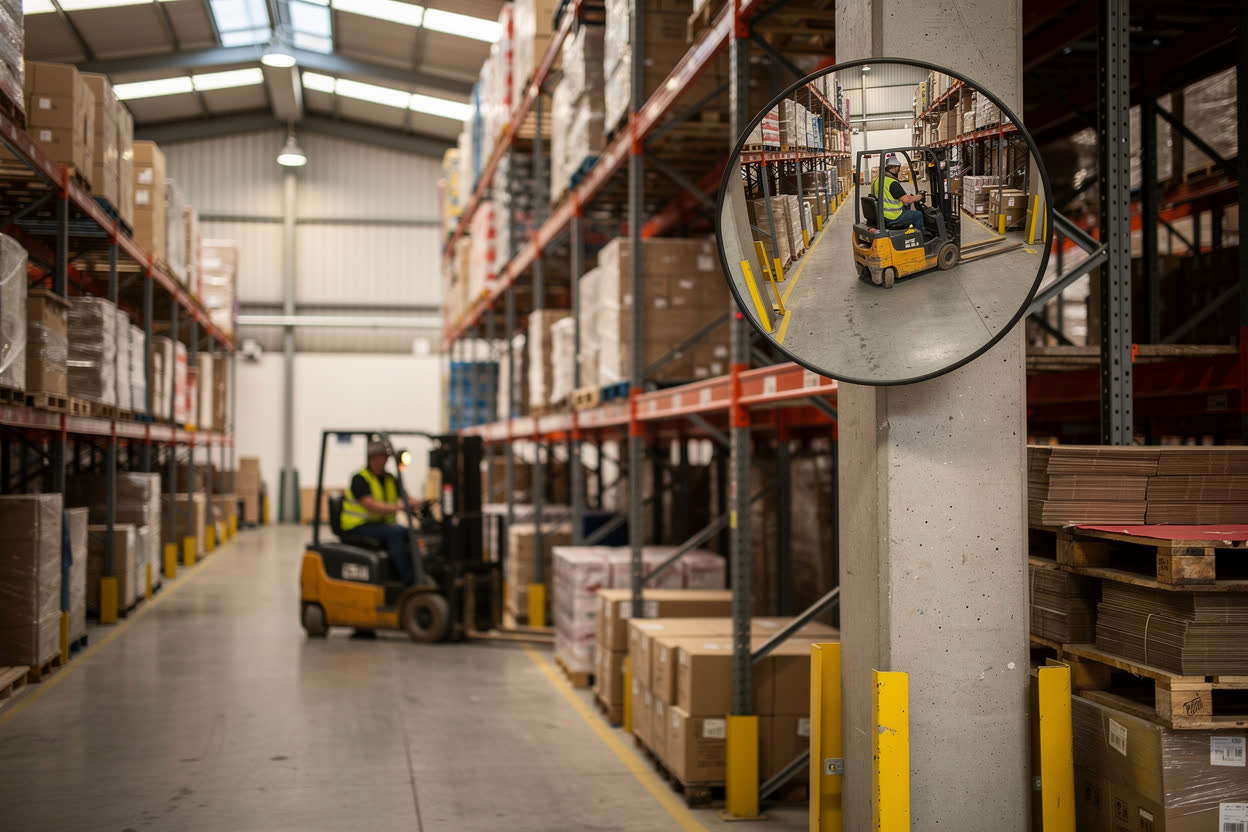
In the same way, storing cleaning chemicals in a locked storeroom, putting up safety signs, and fitting mirrors at blind corners are not hazards. They are control measures that reduce the risk from hazards.

Step 1: Identify the Hazards

You need a clear understanding of the tasks, equipment and substances involved. To find the hazards:

  • Walk around the workplace and look for anything that could cause harm.
  • Review routine work, such as manual handling, machine operation, and work at height.
  • Consider non-routine work, such as maintenance, cleaning, deliveries and contractors’ work.
  • Think about long-term health risks, such as noise, vibration, chemicals, dust, stress and display screen work.
  • Ask employees, who often spot hazards that others miss.
  • Check accident, incident and first aid records for patterns.
Common Workplace Hazards

Common hazards to consider include:

  • Slips, trips and falls on uneven or slippery surfaces.
  • Moving vehicles, machinery and equipment.
  • Electrical systems and portable electrical equipment.
  • Hazardous substances, including flammable materials.
  • Noise and vibration.
  • Manual handling, and working at height.
  • Display screen equipment and workstations.
  • Violence, aggression and lone working.
  • Biological hazards, including blood-borne infections.
Sources of Information

Many reliable sources can help you identify hazards:

  • Manufacturers’ instructions and manuals, and safety data sheets for hazardous substances.
  • Maintenance staff, contractors and cleaners, who know the hazards in their own work.
  • Industry bodies and trade associations for your sector.
  • Employees and supervisors.
  • Guidance from the Health and Safety Executive.
Step 2: Who Might Be Harmed

Next, think about who could be harmed by each hazard. Consider anyone who may be affected by your work, including:

  • Employees, whether full-time, part-time or temporary.
  • Contractors, maintenance staff and visiting workers.
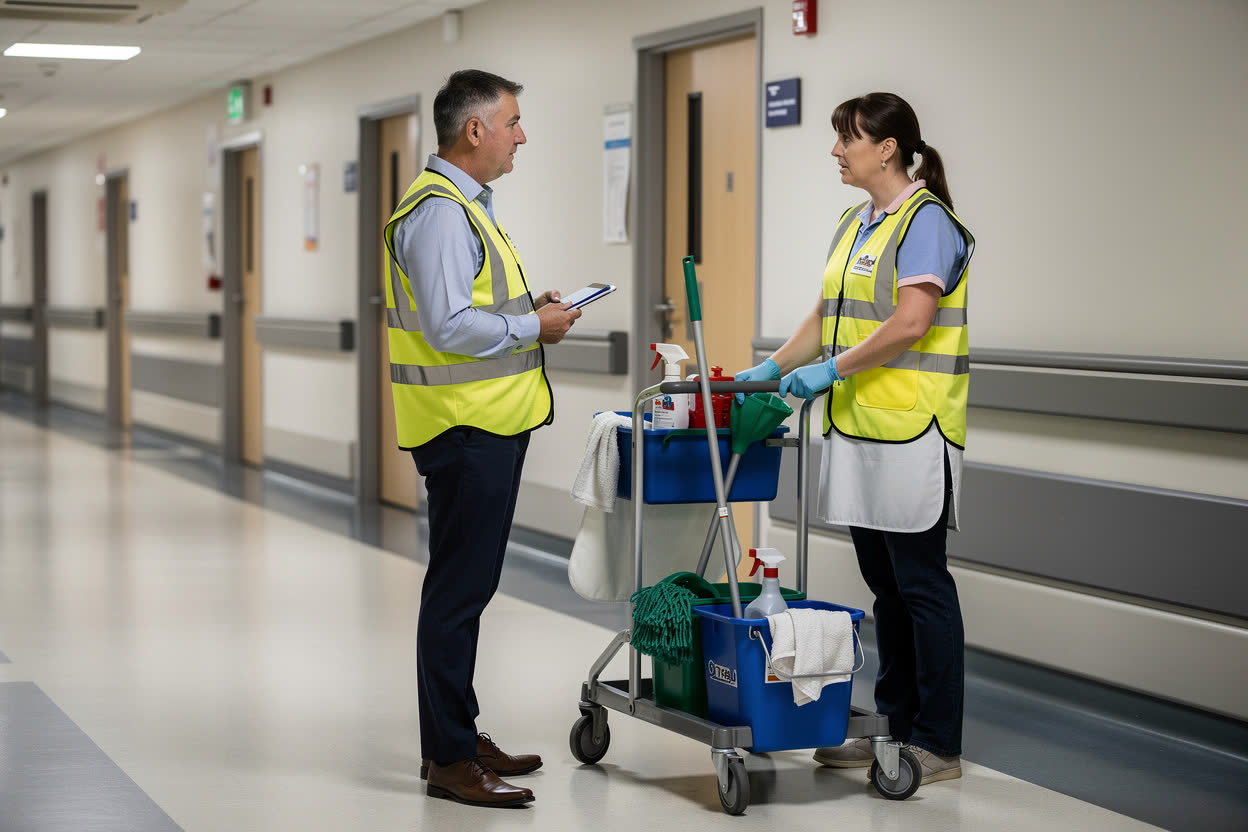
  • Cleaners, delivery drivers and other service providers.
  • Customers, visitors and members of the public.
  • Other businesses and workers who share your premises.
People Who Need Extra Thought

Some people may need extra consideration, and specific arrangements:

  • Young workers under 18.
  • Pregnant employees, new mothers and breastfeeding employees.
  • Employees with disabilities or medical conditions.
  • Temporary and agency workers.
  • Lone workers.
  • Workers whose first language is not English.
  • New and inexperienced employees.
How People Might Be Harmed

Then think about how each person could be harmed. For example:

  • Slipping or tripping on wet floors, uneven surfaces or trailing cables.
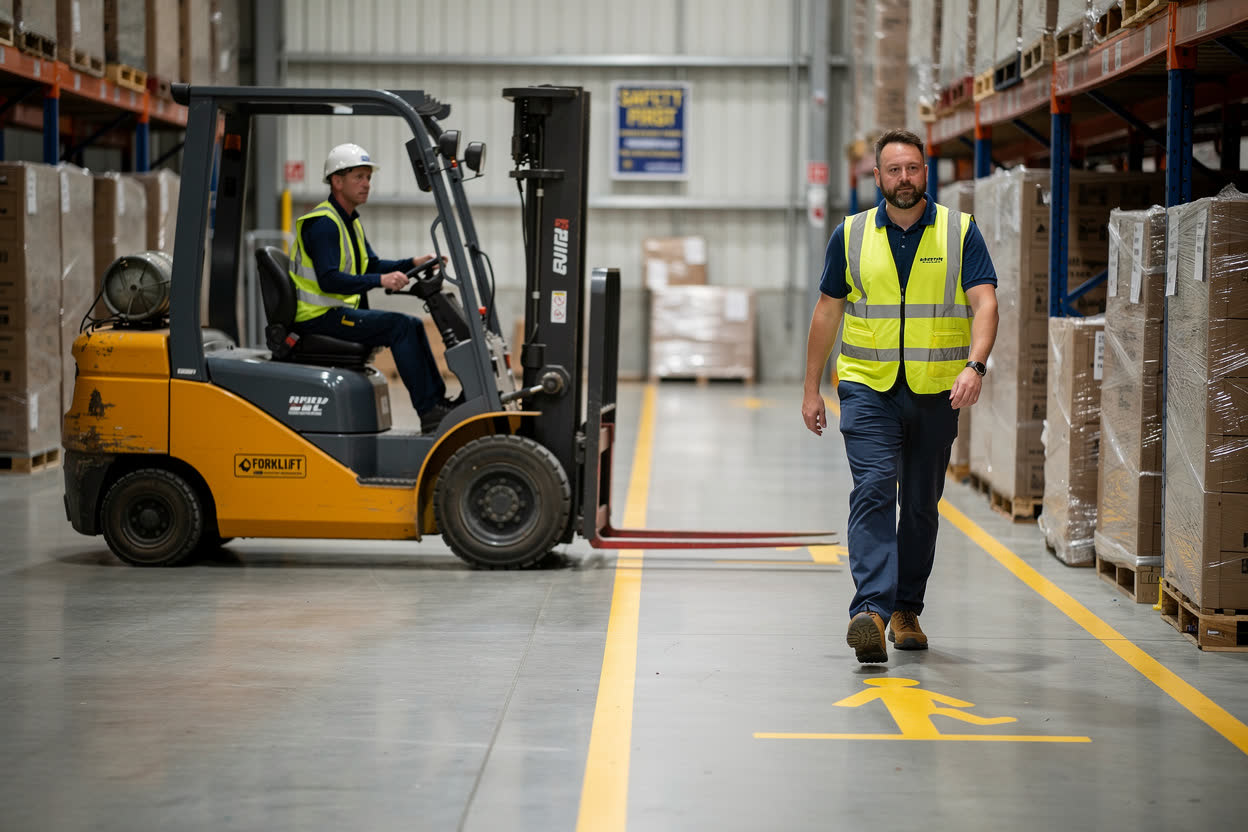
  • Being struck by forklifts, vans or other vehicles.
  • Injury from lifting, carrying or moving heavy loads.
  • Falling from ladders, platforms or other high places.
  • Being trapped, cut or crushed by machinery.
  • Electric shock or burns.
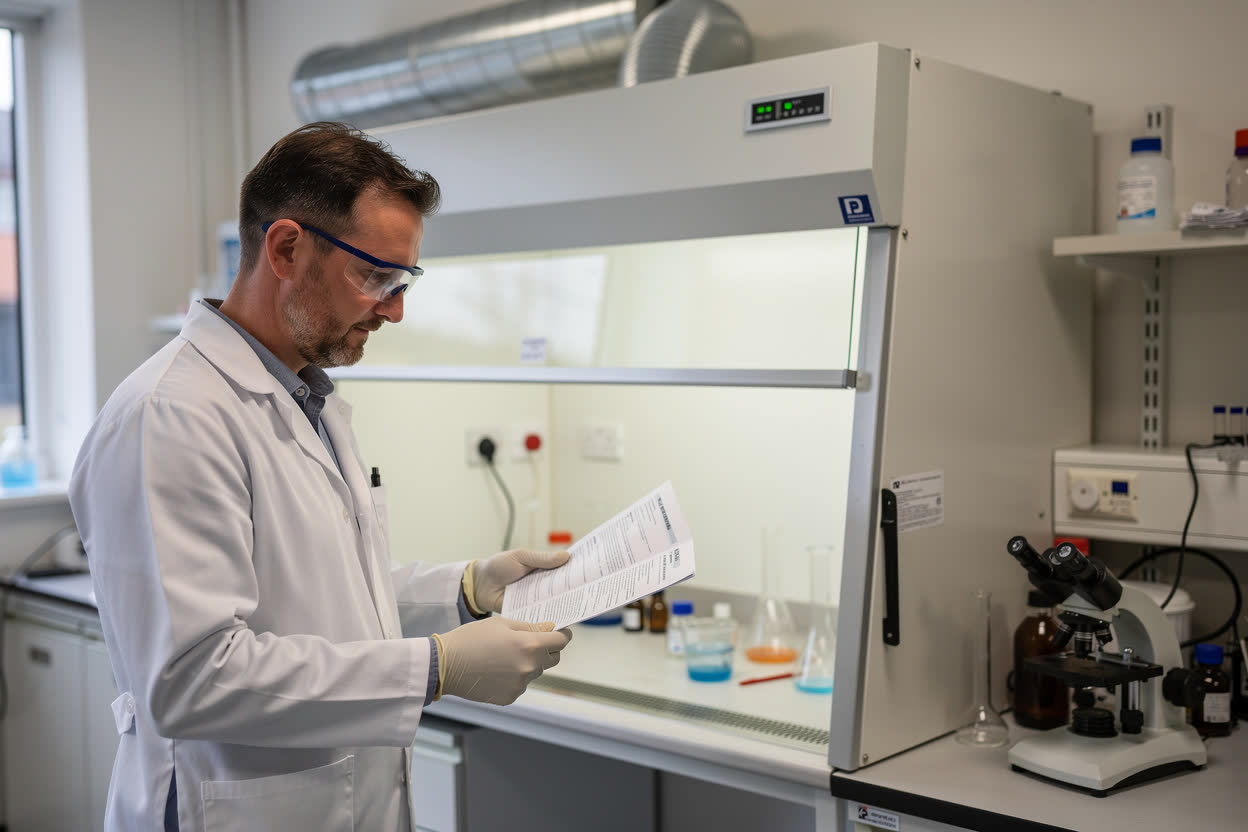
  • Exposure to chemicals, dust, fumes or biological agents.
  • Violence or aggression from customers or members of the public.
  • Long-term harm from noise, vibration, poor posture or repetitive work.
Lone Working, Violence and Driving for Work
People working alone may be injured or fall ill with no immediate help available.Employees who drive for work face the risk of road traffic accidents.Violence or threats from customers, patients or clients must also be assessed.
Lone Working, Violence and Driving for Work

Some ways people can be harmed are easy to overlook, because they happen away from the main workplace or outside normal supervision. Lone workers are one example. Someone working alone may be injured or become ill with no one nearby to help or raise the alarm, so a minor incident can become serious. The risk assessment should consider whether lone working can be avoided altogether, for example by setting fixed working hours, and what arrangements are needed where it cannot.

Employees who drive as part of their job face another risk: road traffic accidents while driving for work purposes. Driving for work is a work activity, and it belongs in the risk assessment like any other. Violence and aggression are a third example. Customers, patients, clients or members of the public may behave in a threatening or violent way, and security measures and restricted access can help reduce that risk. Thinking about these situations makes sure no one is left out of the assessment.

Step 3: Evaluate the Risks

Now decide how likely it is that harm will occur, how serious it could be, whether the existing controls are adequate, and whether more is needed.

Start by listing what is already in place. Existing controls might include:

  • Safe systems of work, training and supervision.
  • Safety signs and warning notices.
  • Machine guards and emergency stop controls.
  • Ventilation for dust, fumes or chemicals.
  • Restricted access to hazardous areas, and security measures.
  • Personal protective equipment.
Are the Existing Controls Enough?

For each hazard, ask:

  • Do the controls reduce the risk as far as reasonably practicable?
  • Are they maintained, and kept in good condition?
  • Are signs, barriers and warnings visible and understood?
  • Is anything missing, or has any hazard or group of people been overlooked?
  • Do manufacturers, suppliers or guidance recommend other controls?

For example, a blind corner used by vehicles and pedestrians may already have warning signs. Safety could be improved further with mirrors, barriers or a separate pedestrian walkway.

Further Controls
Further Controls

After reviewing the existing controls, you may decide that more is needed. This may include:

  • Checking manufacturers’ or suppliers’ guidance, safety data sheets and operating instructions.
  • Carrying out a more detailed assessment of a specific task, or writing a safe system of work.
  • Introducing more training, supervision or monitoring.
  • Improving procedures or emergency arrangements.

When choosing additional controls, follow the hierarchy of control, and choose the most effective measures that are reasonably practicable.

Step 4: Record the Significant Findings

If you employ five or more people, you must record the significant findings, and it is good practice for everyone. Your record should include:

  • The main hazards identified.
  • Who may be harmed, and how.
  • The controls already in place.
  • Any further controls needed, who will put them in place, and by when.
  • The date of the assessment, and when it should be reviewed.

Keep it simple and practical, and share it with the people it affects.

A Successful Risk Assessment

A successful risk assessment shows that you have:

  • Considered all the main hazards.
  • Understood the risks they pose, and who is at risk.
  • Evaluated your current controls, and decided whether more are needed.
  • Made a sensible record of your findings.

For most hazards, established controls are well known. But for some tasks, especially those linked to the way people work, you will need to choose between control options. This is covered in the next module.

Summary

In this module, you have learned that:

A hazard, such as manual handling, is anything that may cause harm. Risk is the likelihood and severity of that harm.

You identify hazards by inspecting the workplace, checking information, and asking employees, then decide who may be harmed and how.

You evaluate existing controls, decide on further controls, and record the findings with the date and the review date.

In the next module, we will look at the hierarchy of control.

Knowledge Check
What is the second step of a workplace risk assessment?
Select one answer, then press Check.
Decide who may be harmed, and how
Identify the hazards
Evaluate the risks
Record the significant findings
Correct. After identifying the hazards, you decide who may be harmed, and how.
Not quite. The first step is identifying the hazards. The second step is deciding who may be harmed, and how.
Next Module →Answer the question to unlock the next module.
Page 1 of 18