← Exit
Module 2 · Slips, Trips, Electrical and Fire Safety0% complete · 17 slides left
Office Safety
Office Safety
Module 2
This course contains audio. Use headphones in public places.
Introduction
Introduction

In this module, you will look at some of the most common office hazards, and learn how to avoid them.

Slips, trips and falls cause a large share of workplace accidents. You will learn how to spot the risks in your office, and how to work safely to prevent them.

You will also learn the essentials of electrical safety and fire safety, which are closely linked: how to tell safe equipment from unsafe equipment, what causes a fire to start, and what the common fire safety signs mean.
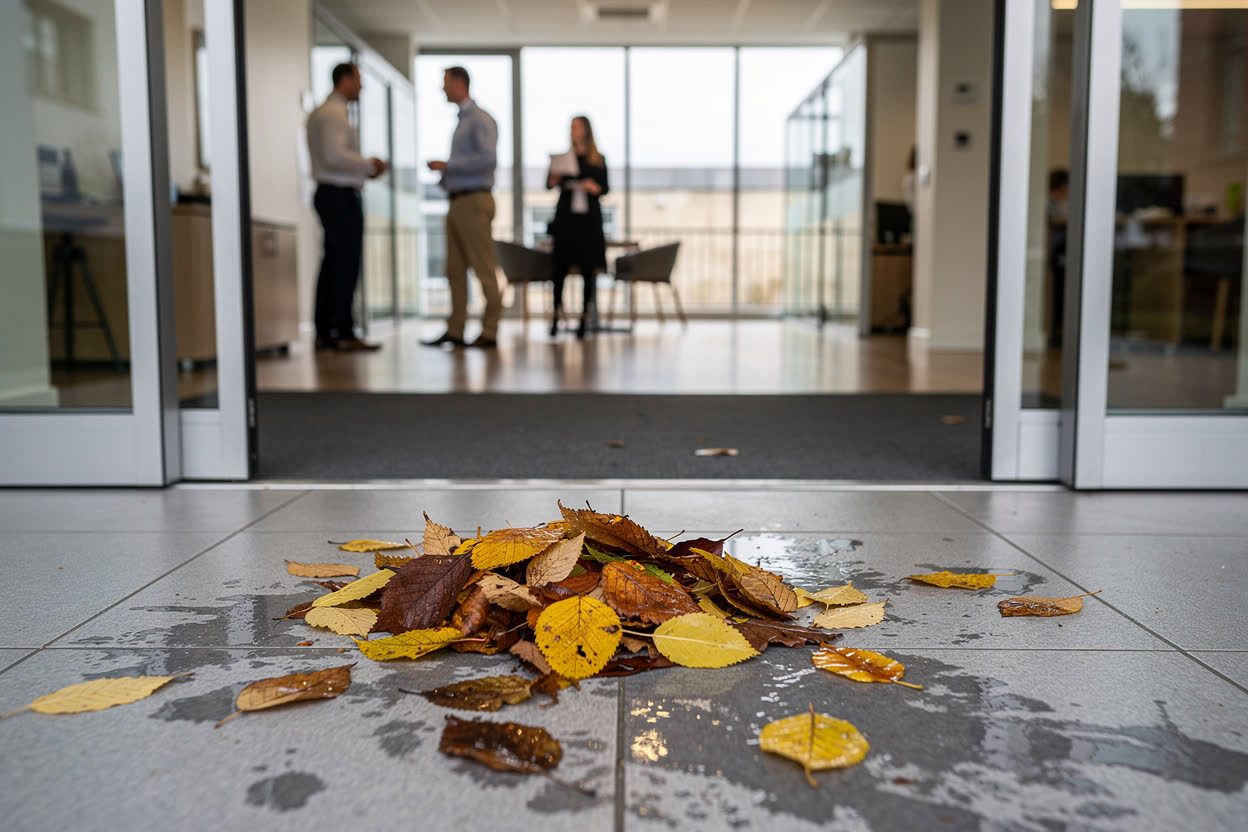
Slips, Trips and Falls

Slips, trips and falls are common in the workplace. They can cause serious injuries, but they are usually easy to prevent.

  • A slip happens when your feet cannot grip the floor, often because of something on the floor, or unsuitable footwear.
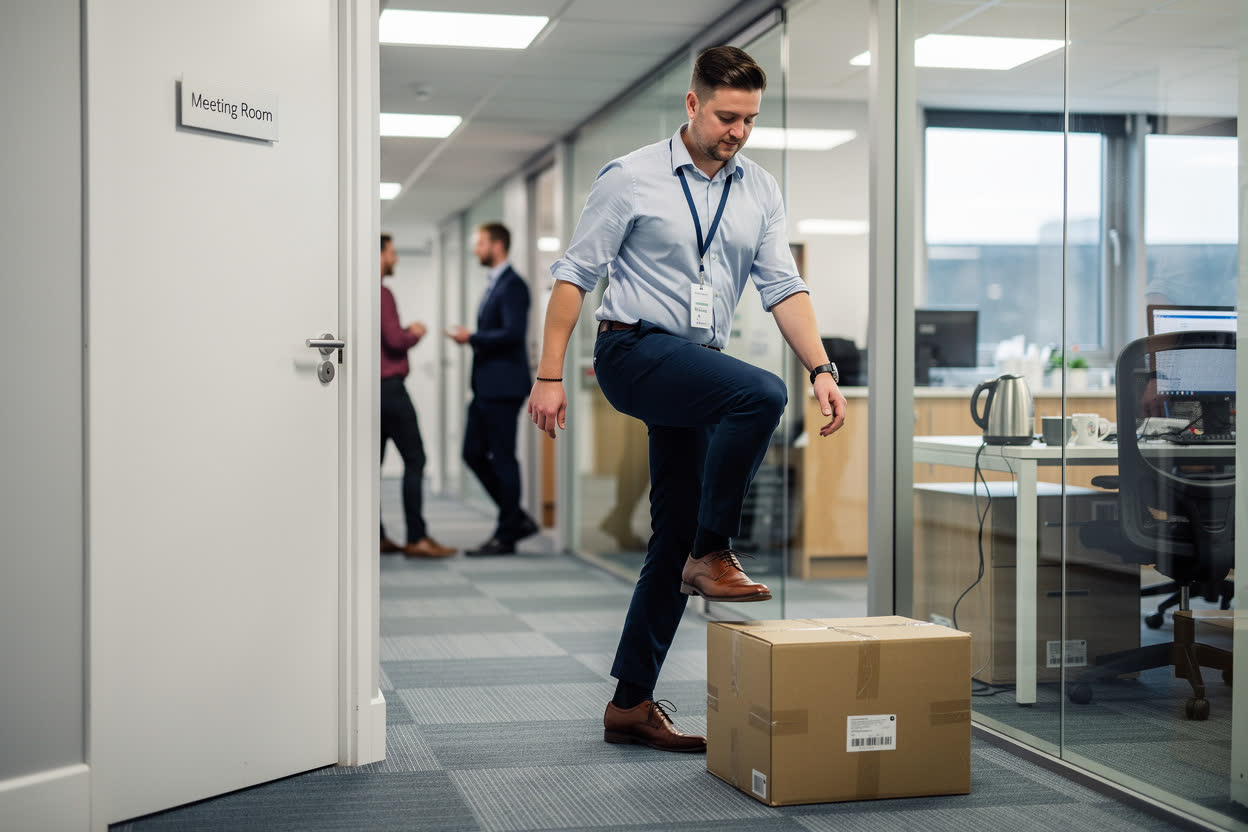
  • A trip happens when something gets in your way, such as loose flooring, a box on the floor, or a trailing cable.
  • A fall can happen from a height, or at floor level, after losing your balance or tripping.
Causes of Slips and Trips

Slip and trip hazards are often caused by:

  • Floor contamination: anything that makes a floor slippery, such as spilled drinks, puddles, wet leaves, cleaning residue, spilled powder or food.
  • Loose mats, rugs or carpets.
  • Sloping, worn or uneven floors, which are especially slippery when wet.
  • Poor lighting, which makes hazards harder to see.
  • Unsuitable footwear.
  • Poor housekeeping, such as trailing cables and boxes left in walkways.
Falls in the Office
Falls in the Office

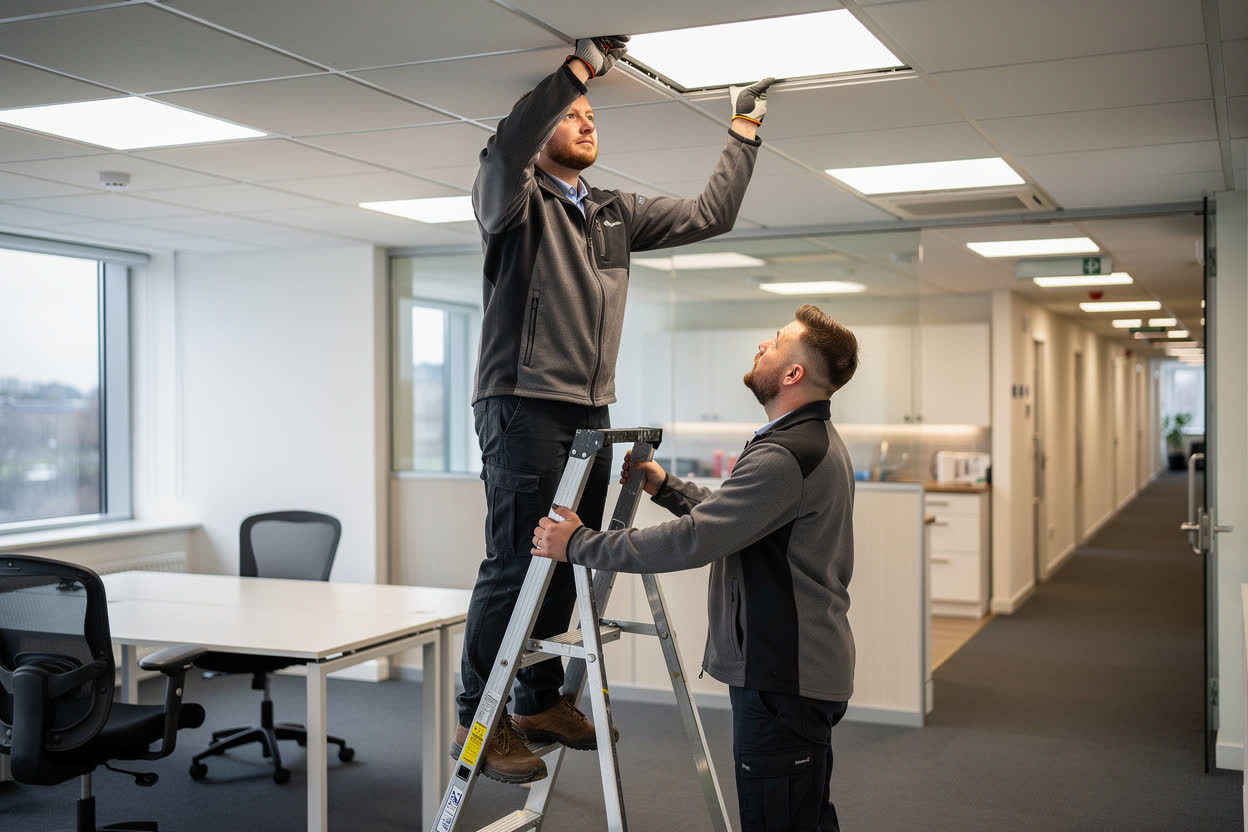
Falls are often linked to high-risk work, but they happen in offices too, when people clean windows, reach high shelves, change light bulbs or set up displays. Falls are more likely when:

  • A ladder or step is unstable or damaged.
  • Footwear is unsuitable, such as heels or shoes without grip.
  • A ladder is used in a cramped space, or the user has to overreach.
  • People stand on chairs, desks or other things not meant for climbing.
  • People rush, or run on the stairs.
Preventing Slips
Preventing Slips

Take care with spills and cleaning:

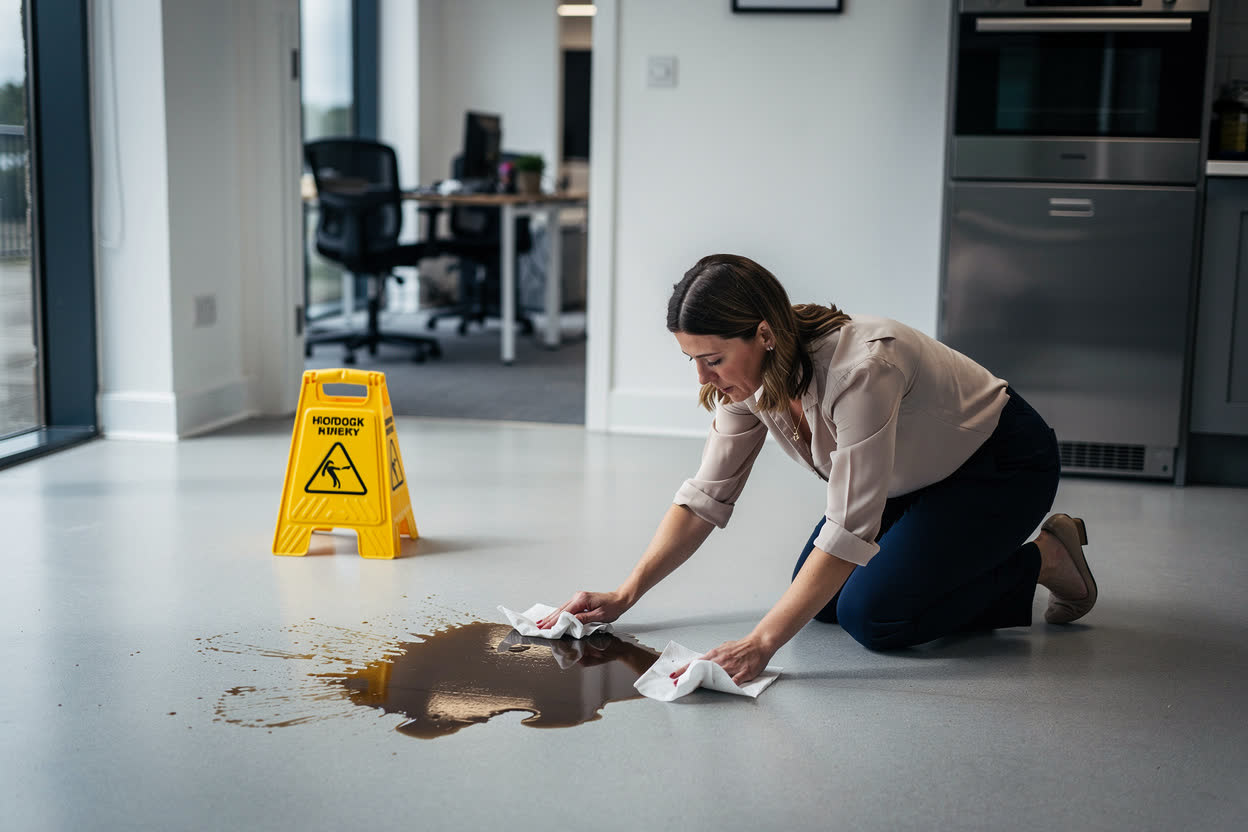
  • Clean up spills immediately, and put up a wet floor sign while the floor is wet.
  • Clean floors when fewer people are around, if possible.
  • Leave a dry path for others to walk on, or close off the area while cleaning.

Be aware of your surroundings. Watch for signs warning of wet or uneven floors, use handrails on stairs, and report damaged flooring, poor lighting or large spills.

Good Housekeeping
Good Housekeeping

Good housekeeping prevents most trips. Adopt a see it, sort it attitude:

  • Tidy items away when they are not in use, and store equipment in its proper place.
  • Keep walkways and stairs clear.
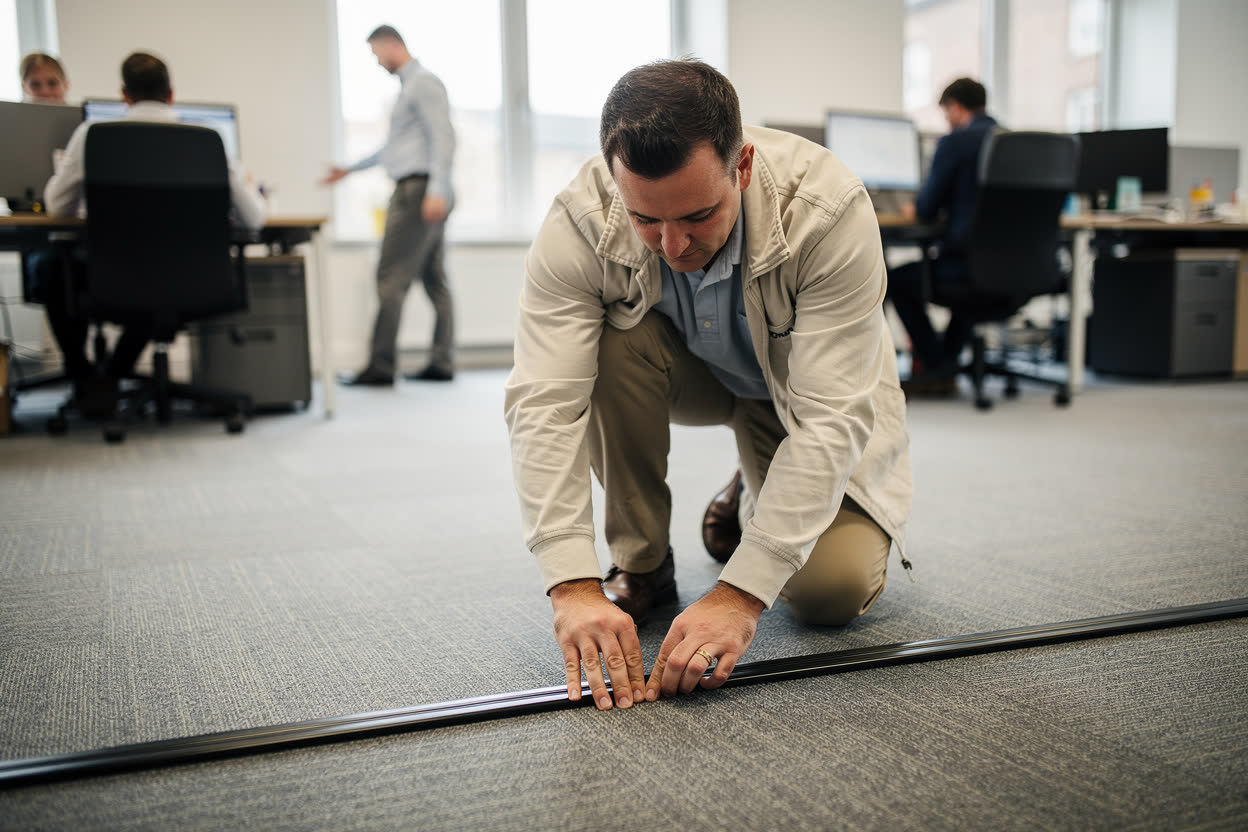
  • Route cables away from walkways, or secure them with cable covers or tidies.
  • Empty waste bins regularly, so that they do not overflow.
  • Report loose or damaged mats and carpets.
Using Ladders Safely

Use a ladder or stepladder only when it is really needed, and only for short duration tasks. For longer work at height, other equipment, such as a mobile platform, is safer.

  • Check the ladder for damage before you use it.
  • Make sure there is enough space, and set it up on firm, level ground.
  • Wear suitable footwear with good grip.
  • Keep three points of contact where possible, and never overreach.
  • Never stand on chairs or desks instead.
Knowledge Check
You find a puddle of liquid on the office kitchen floor. What should you do?
Select one answer, then press Check.
Put up a wet floor sign, and clean up the spill straight away
Leave the spill for the cleaner to deal with later
Step around it, and carry on with your work
Correct. Warn others with a wet floor sign, and clean up the spill straight away.
Not quite. A spill left on the floor can cause a slip at any moment. Try again.
Electrical Safety
Electrical Safety

Offices are full of electrical equipment, from computers and printers to kettles and heaters.

Most of it is safe, especially if it is checked regularly, but faulty equipment can cause serious injuries and fires. Electricity can cause shocks, burns and loss of muscle control, which can be fatal. Injuries can happen even at fairly low voltages, such as 50 volts.

Following a few basic rules keeps you and your colleagues safe.

Electrical Hazards
Electrical Hazards

Watch out for these electrical hazards:

  • Frayed or damaged cables.
  • Loose wires at the plug.
  • Overloaded sockets or extension leads.
  • Equipment that has failed its electrical safety test, or whose test is out of date.
  • Equipment that is overheating, or smells of burning.
  • Equipment that is poorly maintained.

Before you use any equipment, give it a quick visual check.

Managing Electrical Hazards
  • Check for a current test label. Portable appliance testing, or PAT, should be carried out regularly by a competent person, and equipment that passes is usually given a label showing it has passed and the test date.
  • If you find a frayed cable or a broken plug, stop using the equipment, take it out of use, unplugged and clearly marked, and report it to your manager straight away.
  • Never try to repair damaged equipment yourself, and never patch a cable with tape.
  • Use equipment only for its intended purpose, and follow the manufacturer’s instructions.
Fire Safety
Fire Safety

A fire in an office can be devastating, both to the building and to the people inside. A small fire can cost time and money. A large one can kill.

In England and Wales, employers must take fire safety measures under the Regulatory Reform (Fire Safety) Order 2005, and similar law applies in Scotland. These include safe escape routes, suitable fire-fighting equipment, clearly marked fire exits, and working fire alarms.

You must follow the fire safety rules, and make sure your actions do not create a fire hazard.

The Fire Triangle
The Fire Triangle

A fire needs three elements to start: ignition, fuel and oxygen. Together, they make up the fire triangle.

  • Ignition: anything that produces heat or sparks, such as lighters, matches, cookers, heaters and overheating electrical equipment.
  • Fuel: anything that burns, such as paper, cardboard, plastic, wood, packaging, rubbish and furniture.
  • Oxygen: present in the air around us, it keeps the fire burning.

Remove any one of the three, and a fire cannot start or continue.

Fire Safety Signs
Fire Safety Signs

Get to know the fire safety signs in your office:

  • Fire exit signs are green and white, with arrows showing the way out. Find your nearest fire exit now.
  • Fire assembly point signs are also green and white, and show where to gather outside after leaving the building.
  • Fire alarm call point signs are red and white, and show where to raise the alarm.
  • Fire extinguisher signs are red and white, and show where fire-fighting equipment is kept. Only use an extinguisher if you have been trained.
Preventing Fires
Preventing Fires

You can help to reduce the risk of fire by:

  • Switching off electrical equipment when it is not in use.
  • Reporting faulty electrical equipment, and making sure it is taken out of use.
  • Taking care with matches, lighters and candles.
  • Smoking only in the designated outdoor area, and putting smoking materials out properly.
  • Keeping fire exits and escape routes clear of boxes, rubbish and cleaning equipment.
  • Taking part in fire drills, and helping with fire alarm tests when asked.
Summary

In this module, you have learned that:

Slips, trips and falls are preventable: clean up spills, keep walkways clear, and use ladders only for short tasks.

Damaged electrical equipment must be taken out of use and reported, and equipment that passes a PAT test is labelled with the test date.

A fire needs ignition, fuel and oxygen, and fire alarm call point signs are red and white.

In the next module, we will look at manual handling, hazardous substances and display screen equipment.

Knowledge Check
Which three elements make up the fire triangle?
Select one answer, then press Check.
Heat, smoke and flames
Ignition, fuel and oxygen
Fuel, water and oxygen
Ignition, smoke and fuel
Correct. A fire needs ignition, fuel and oxygen. Remove any one of them, and the fire cannot continue.
Not quite. Smoke and flames are what a fire produces, and water puts fires out. Try again.
Next Module →Answer the question to unlock the next module.
Page 1 of 18