← Exit
Module 2 · Hearing and Noise-Induced Hearing Loss0% complete · 13 slides left
Noise Awareness
Noise Awareness
Module 2
This course contains audio. Use headphones in public places.
Introduction
Introduction

To understand why noise is dangerous, it helps to understand how hearing works, and how noise damages it.

Hearing damage from noise is usually gradual, painless and permanent. People rarely notice it happening, and once it has happened, it cannot be undone.

In this module, you will learn how the ear works, how noise causes hearing loss and tinnitus, and why prevention is the only real cure.

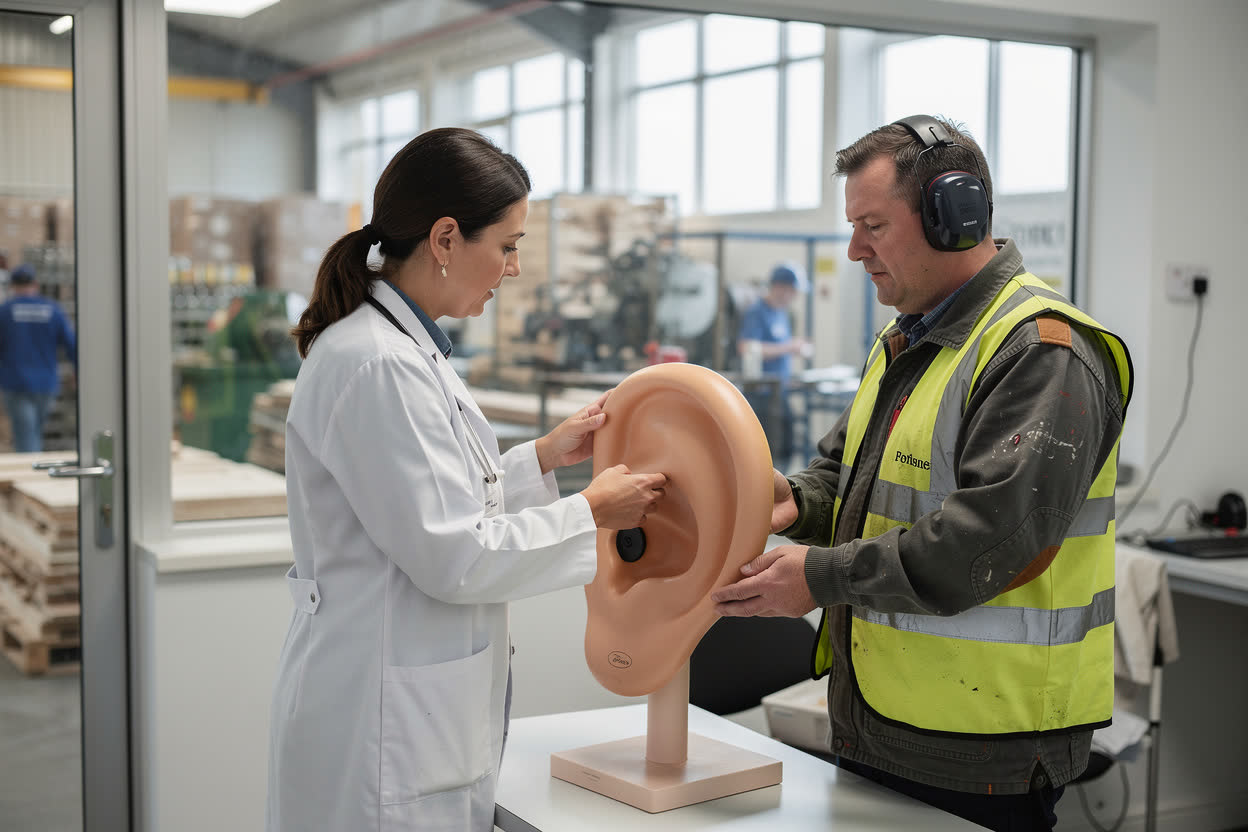
In This Module
In This Module

By the end of this module, you will be able to:

  • Describe, in simple terms, how the ear works.
  • Explain how noise damages hearing.
  • Describe noise-induced hearing loss and tinnitus.
  • Recognise the early warning signs of damage.
  • Explain why hearing damage cannot be reversed.
How the Ear Works
How the Ear Works

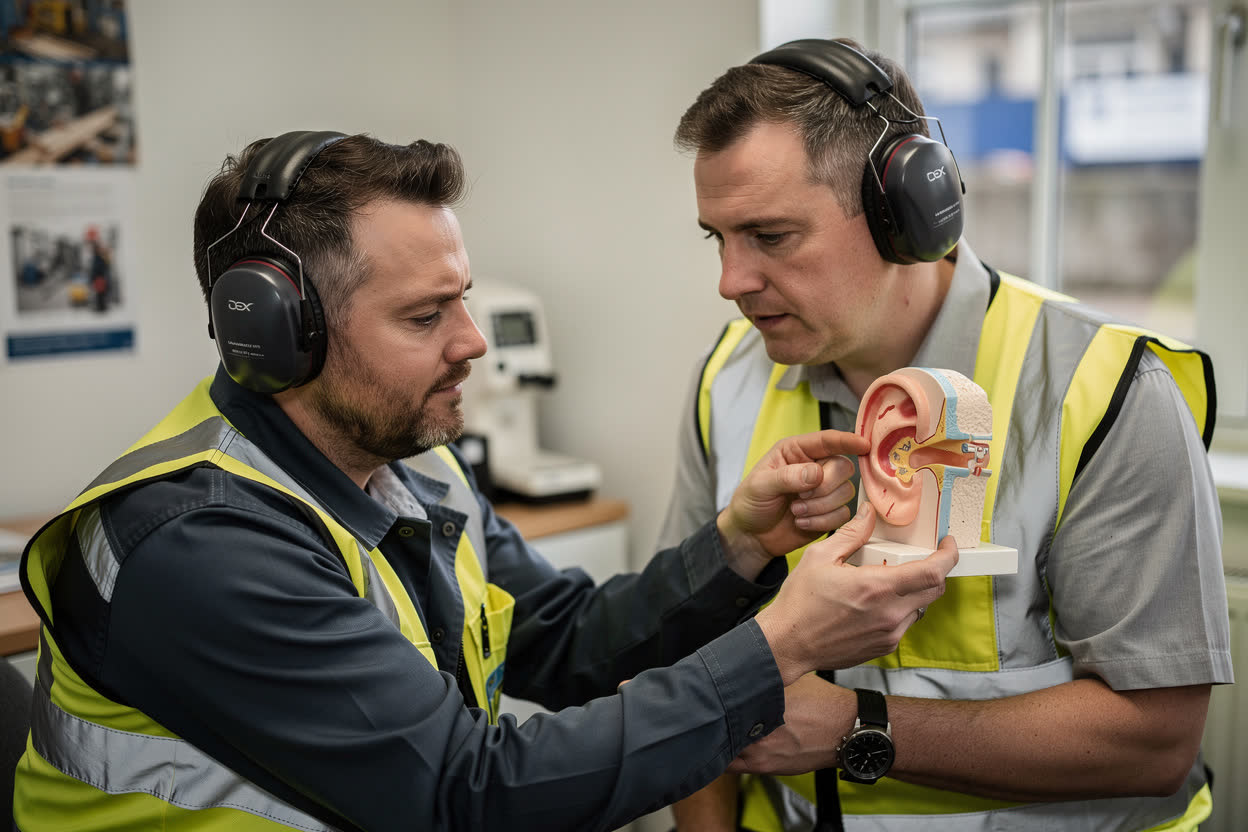
Sound waves travel into the ear canal and make the eardrum vibrate.

These vibrations pass through three tiny bones in the middle ear, to the cochlea in the inner ear. The cochlea is a small, spiral-shaped organ, filled with fluid, about the size of a pea.

Inside the cochlea, the vibrations make the fluid move. This movement is picked up by thousands of microscopic hair cells.

The Hair Cells
The Hair Cells

Your hearing depends on the tiny hair cells in the cochlea, in the inner ear.

The hair cells turn the vibrations into nerve signals. These signals travel along the hearing nerve to the brain, which understands them as sound.

Different hair cells respond to different pitches, from low rumbles to high whistles. They are very delicate, and it is these hair cells that loud noise destroys.

How Noise Causes Damage

Loud noise over-stimulates the hair cells in the cochlea.

  • A single, very loud noise, such as an explosion or a gunshot, can damage them instantly.
  • Repeated exposure to loud noise wears them down gradually, over months and years.

The hair cells cannot grow back or repair themselves. Once they are destroyed, the hearing they provided is lost for good. This is why noise-induced hearing loss cannot be cured.

Noise-Induced Hearing Loss

Noise-induced hearing loss is permanent hearing loss caused by exposure to loud noise. It cannot be cured by rest, medicine or surgery.

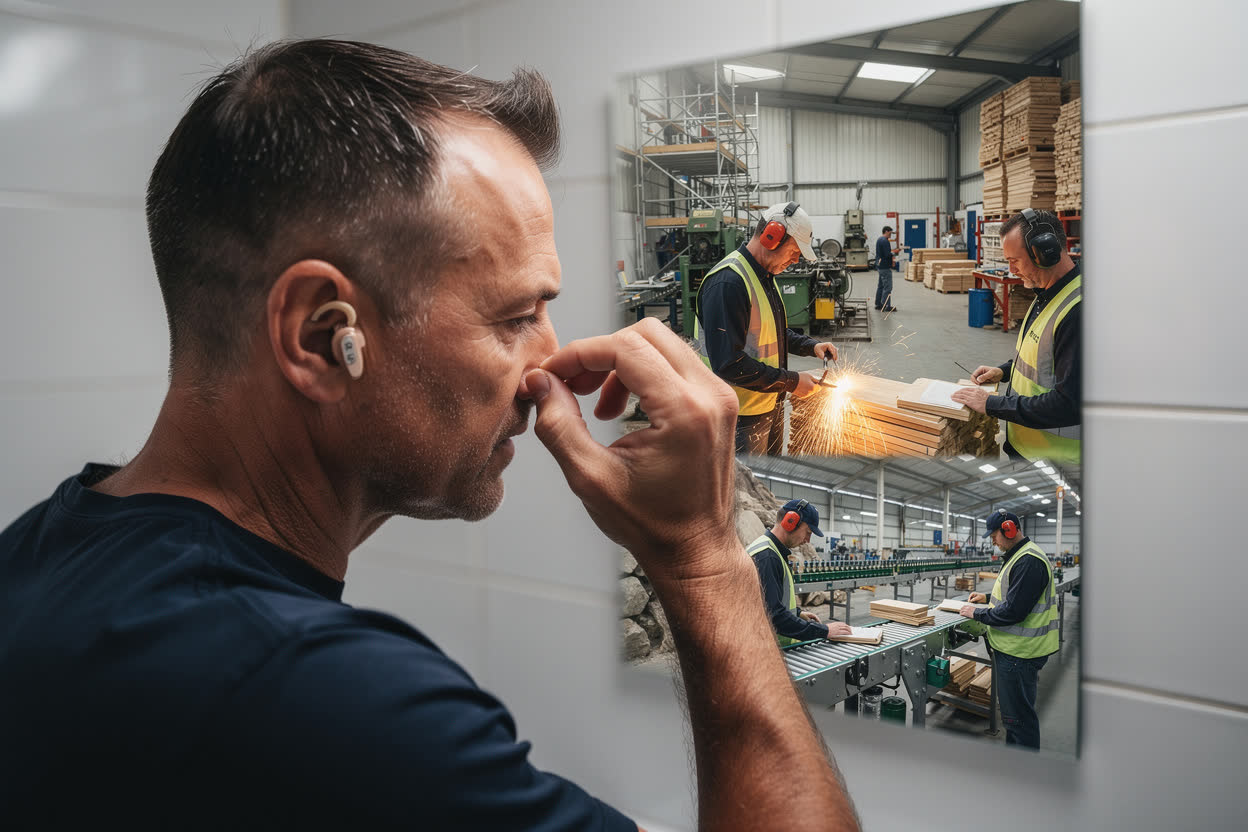
It usually develops slowly, over many years, so it often goes unnoticed until it is advanced. Hearing aids can help a little, but they cannot restore normal hearing.

How Hearing Loss Shows Itself

Noise damage usually affects the ability to hear higher-pitched sounds first. People with noise damage often:

  • Find speech hard to follow, especially in background noise.
  • Mishear words, and ask people to repeat themselves.
  • Turn up the television or radio louder than others like it.
  • Struggle to hear on the phone, or to hear alarms and warnings.

They may still hear some sounds clearly, so they think their hearing is fine.

Tinnitus
Tinnitus

Tinnitus is a ringing, buzzing, hissing or whistling in the ears, with no outside source. When it is constant, it can be very distressing.

It is often caused by noise damage, and it can occur with or without hearing loss. Tinnitus can disturb sleep and concentration, and there is no cure, only ways of managing it.

Temporary and Permanent Effects

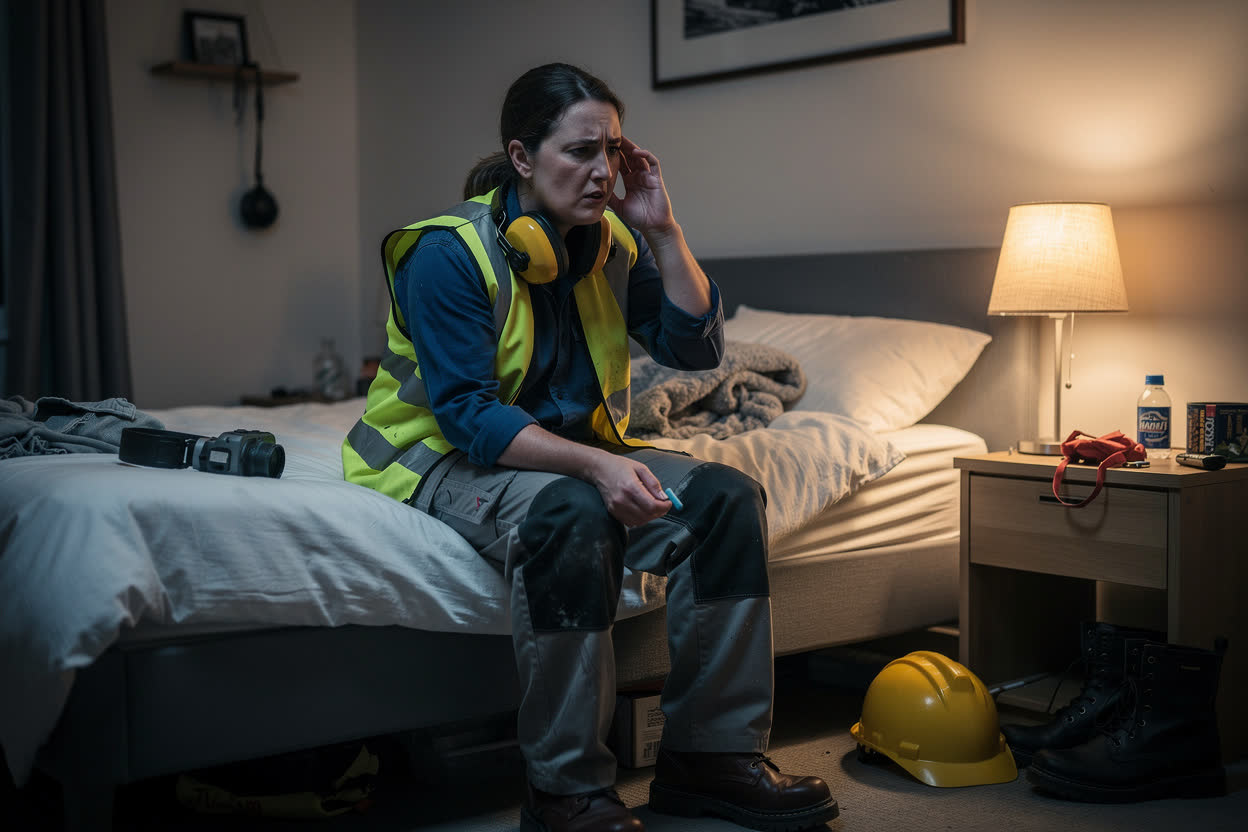
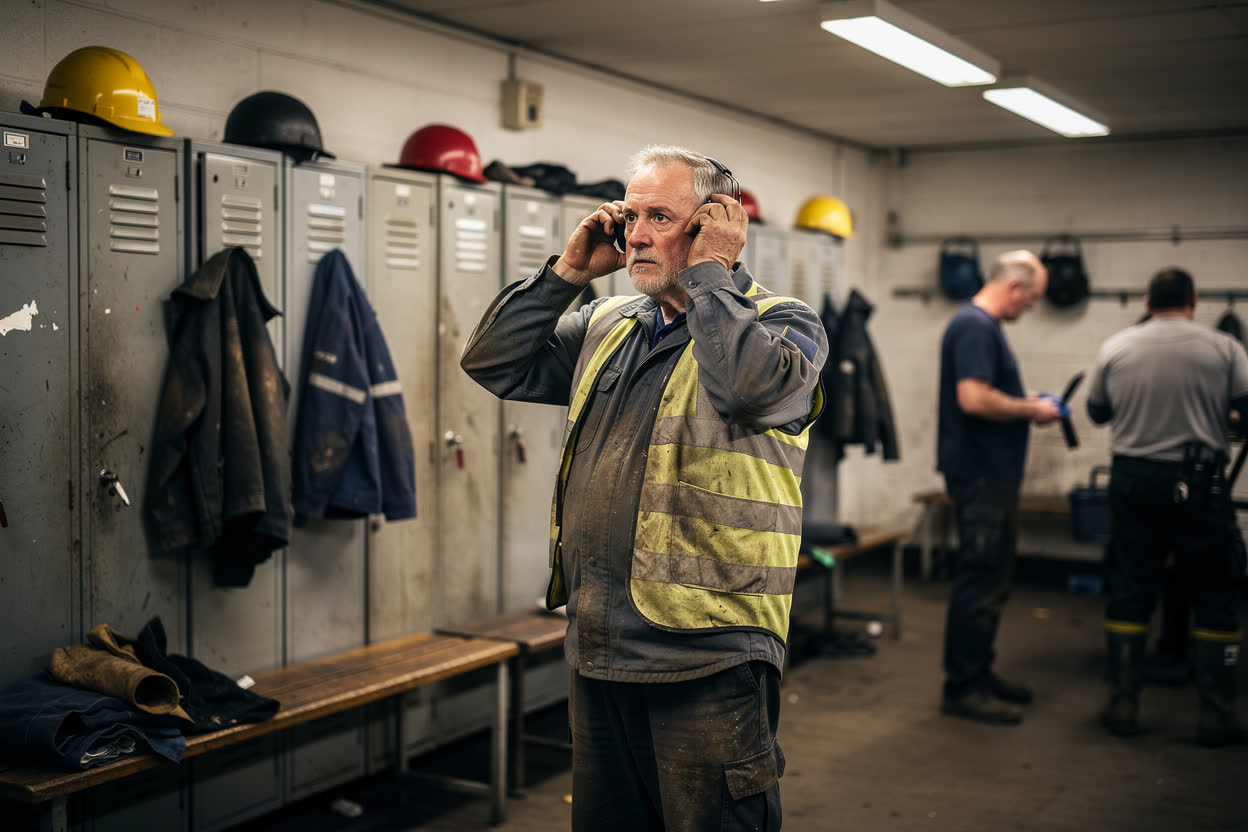
After a noisy shift, your hearing may feel dull or muffled, and your ears may ring. This is called a temporary threshold shift. Hearing may recover overnight, but it is a clear warning sign that the noise is harming you.

Repeated temporary shifts lead to a permanent threshold shift, where the hearing loss no longer recovers. Each warning that is ignored brings lasting damage closer.

The Wider Impact
The Wider Impact

Hearing damage affects far more than work. It can cause:

  • Difficulty following conversations and using the phone.
  • Social isolation, and withdrawal from family and friends.
  • A higher risk of accidents, from not hearing warnings or vehicles.
  • Stress, anxiety and low mood.
  • A lasting reduction in quality of life.
Prevention Is the Only Cure

Because noise damage cannot be reversed, the only way to protect hearing is to prevent the damage in the first place.

That means reducing noise at source, limiting how long people are exposed, wearing hearing protection correctly where it is needed, and attending hearing checks. Noise-induced hearing loss is permanent, but it is also entirely preventable.

Summary

In this module, you have learned that:

Hearing depends on delicate hair cells in the cochlea, which turn vibrations into nerve signals.

Loud noise destroys these hair cells. They cannot grow back, so noise-induced hearing loss is permanent.

Tinnitus, and dull or ringing ears after a shift, are warning signs that noise is causing harm.

In the next module, we will look at how noise is measured, and the legal exposure limits.

Knowledge Check
Why can noise-induced hearing loss not be cured?
Select one answer, then press Check.
The hair cells in the inner ear cannot grow back or repair
It only affects older people
It always heals with rest
Doctors have not tried hard enough
Correct. The hair cells in the cochlea do not grow back, so the hearing loss is permanent.
Not quite. Think about what happens to the hair cells in the inner ear. Try again.
Next Module →Answer the question to unlock the next module.
Page 1 of 14