← Exit
Module 8 · Food Premises Design and Layout0% complete · 13 slides left
Level 2 Food Hygiene and Safety for Manufacturing
Module 8
This course contains audio. Use headphones in public places.
Introduction
Introduction

Food premises must be designed, built and maintained so that food can be produced safely.

This module explains the principles of good design, the surfaces and equipment that are suitable for food production, and the facilities a food site must provide, including hand washing, ventilation, lighting, waste management and protection against pests.
In This Module
In This Module

Good premises make every other food safety control easier to carry out, and harder to get wrong. This module covers:

  • Premises and the law.
  • The principles of good design.
  • Floors, walls, ceilings and work surfaces.
  • Equipment.
  • Hand washing and changing facilities.
  • Ventilation and lighting.
  • Waste management, and keeping pests out.
Premises and the Law

Regulation 852/2004 requires food premises to be kept clean and in good repair, and to be designed and built so that they can be cleaned properly, and protected against contamination and pests.

Every food business must register with its local authority, and manufacturers of products of animal origin, such as meat, fish, eggs and dairy, usually need approval.

Well-maintained premises make it far easier to produce safe food, and to pass an inspection.

Principles of Design

Good design makes safe food easier to produce. It provides:

  • A logical, one-way flow, from raw materials in, to finished product out, without the two crossing.
  • Separate areas for raw and ready-to-eat food, such as low-risk and high-care zones.
  • Smooth, durable surfaces that are easy to clean.
  • Enough space, light and ventilation.
  • Enough hand washing and cleaning facilities.
  • Protection against pests.
Floors, Walls, Ceilings and Surfaces

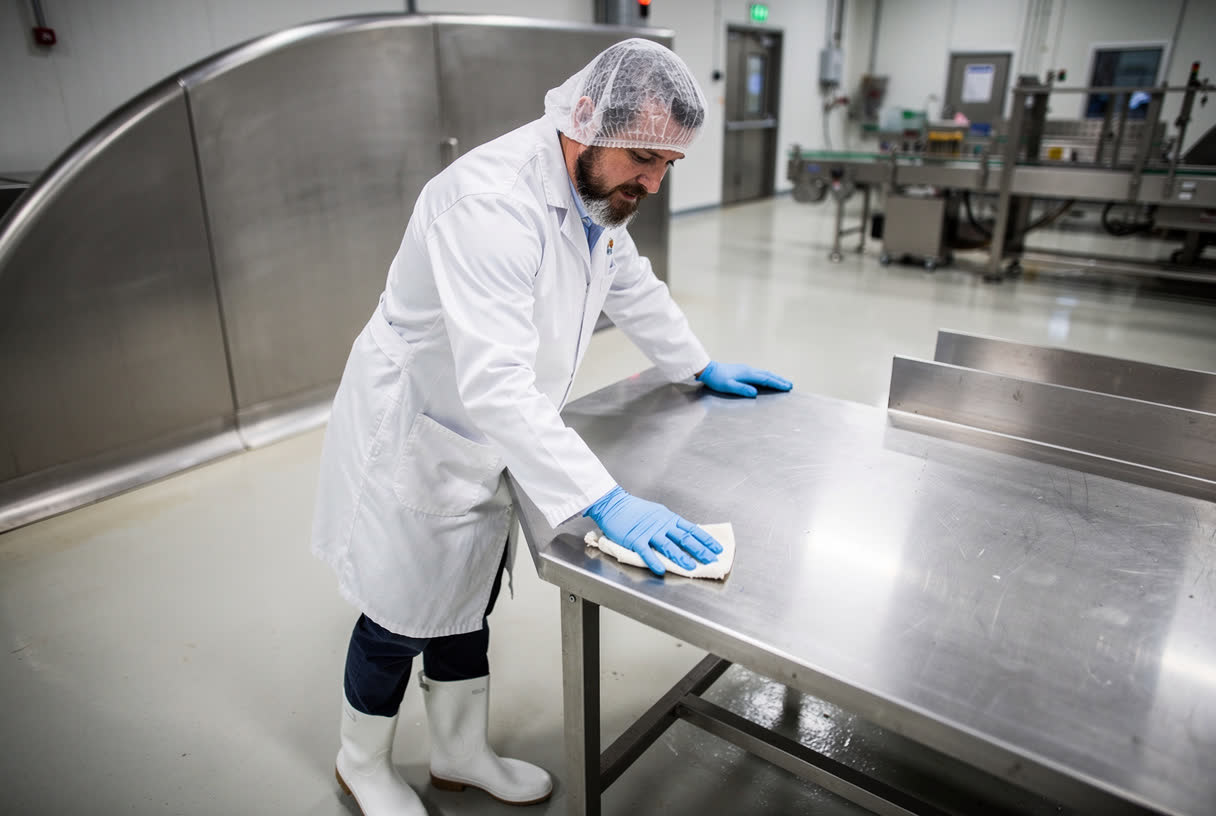
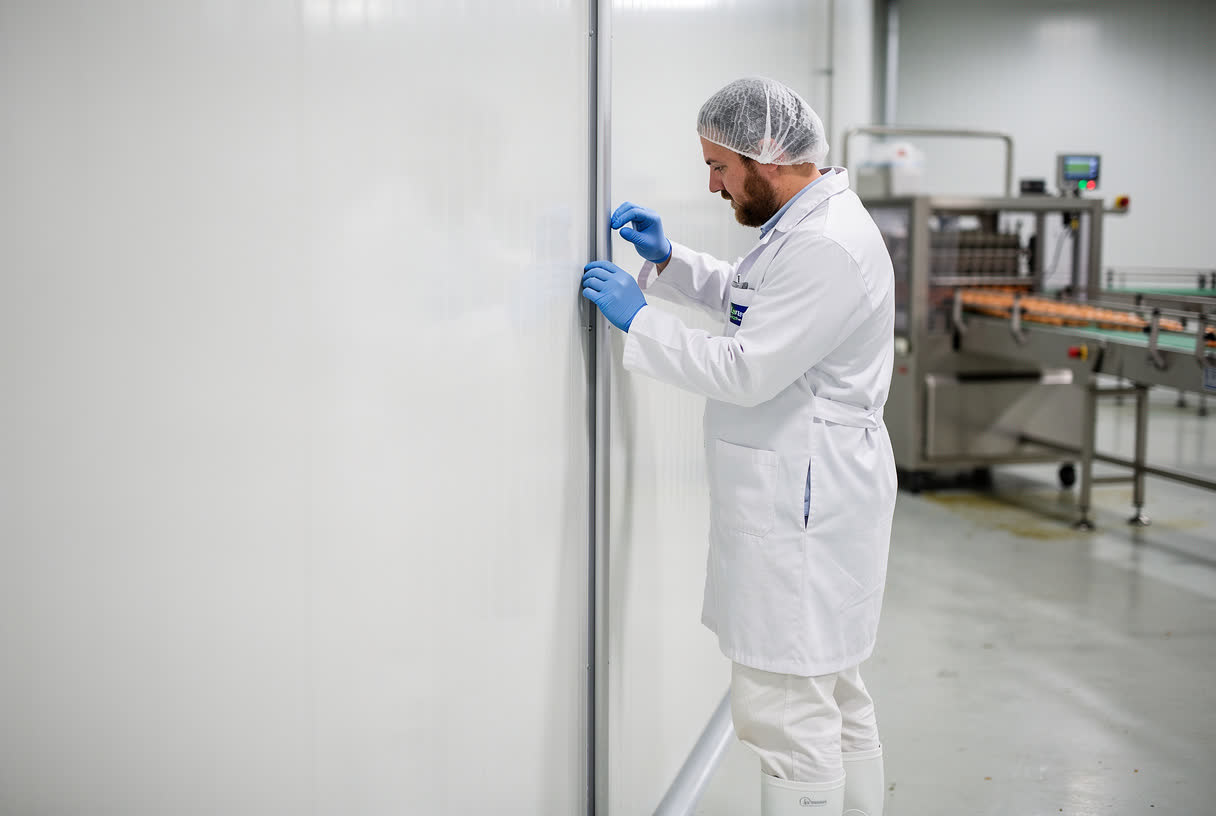
Floors, walls, ceilings and work surfaces should be smooth, hard-wearing, non-absorbent, and easy to clean and disinfect. Floors should drain well, and the joint between floors and walls is often curved, so dirt cannot collect in the corner.

Food contact surfaces are usually stainless steel or approved food-grade materials.

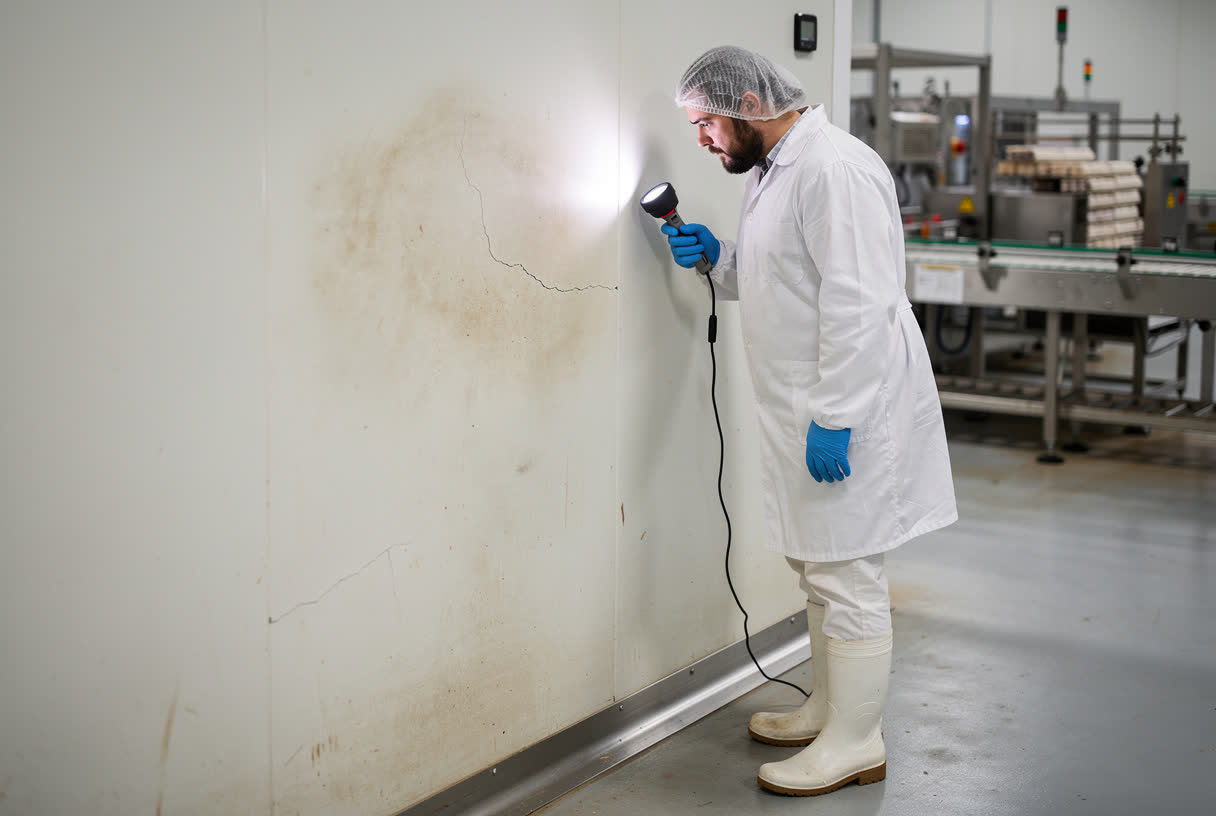
Cracked tiles, flaking paint and damaged surfaces harbour dirt and bacteria, and can become physical hazards, so report damage and get it repaired promptly.

Equipment
Equipment

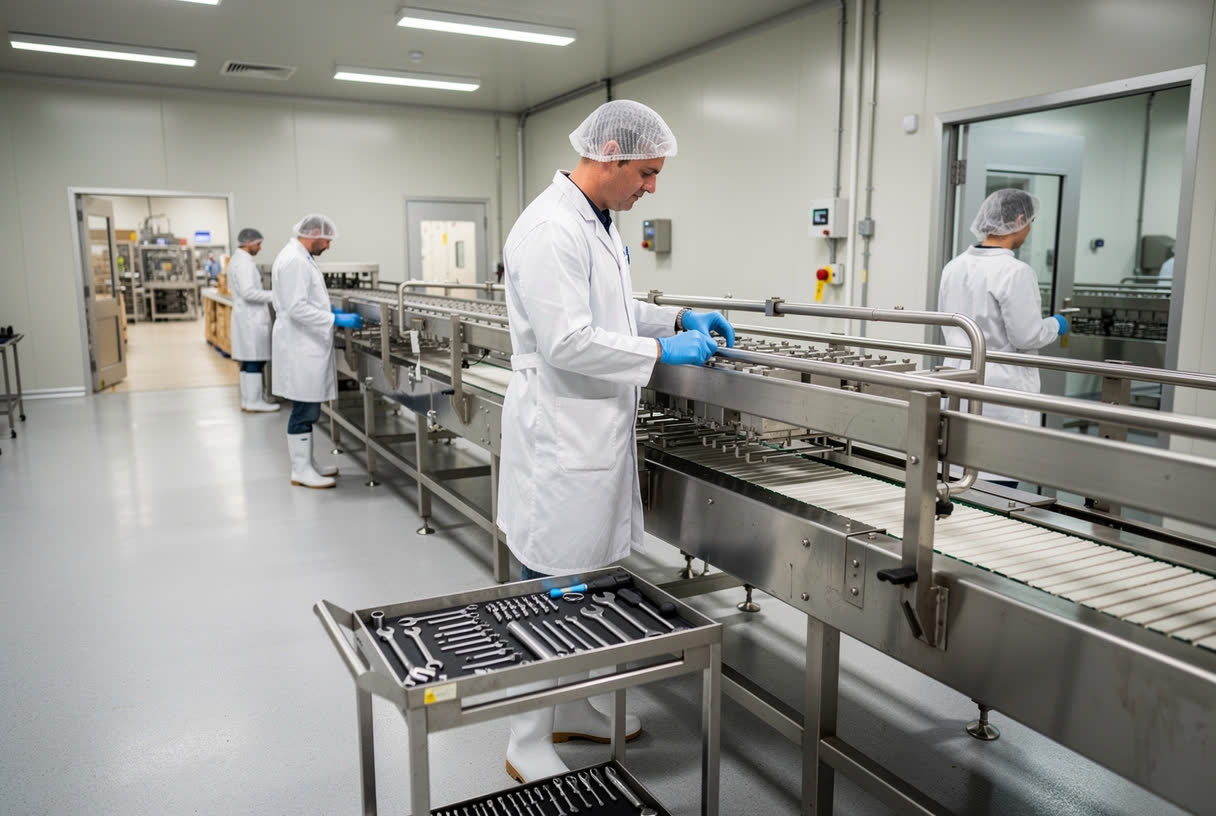
Equipment must be suitable for its purpose, made of food-safe materials, in good condition, and easy to take apart and clean.

Damaged or worn equipment can contaminate food with physical hazards, such as metal fragments or broken plastic, and with bacteria hidden in cracks. It should be reported, repaired or replaced.

After maintenance work, equipment must be cleaned and checked before it is used again, so that no tools, nuts or swarf are left behind.

Hand Washing and Changing Facilities

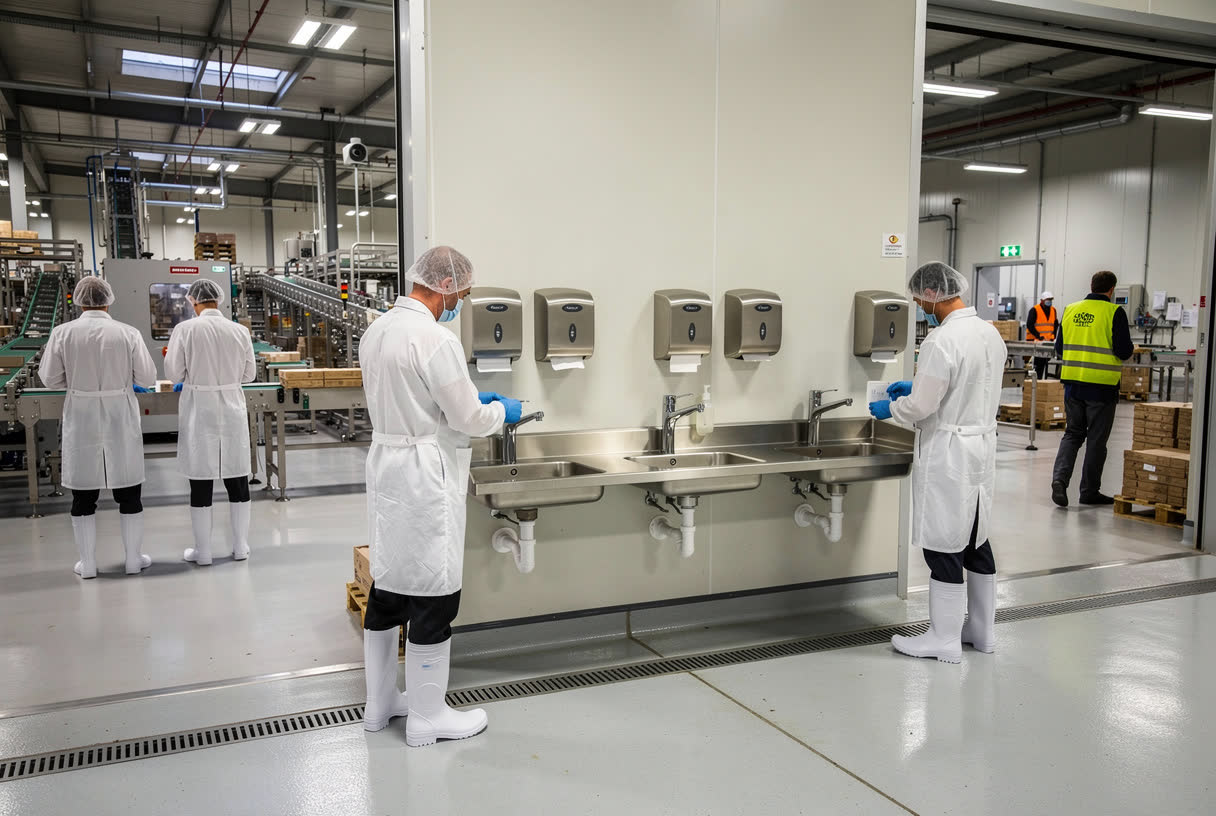
Premises must have enough wash-hand basins, in the right places, with hot and cold running water, soap, and hygienic drying. These must be separate from the sinks used for food or equipment.

Basins should be at the entrances to production areas, and taps are often hands-free.

Sites must also provide changing facilities, so that staff can put on clean protective clothing, and toilets that do not open directly into food rooms.

Ventilation and Lighting

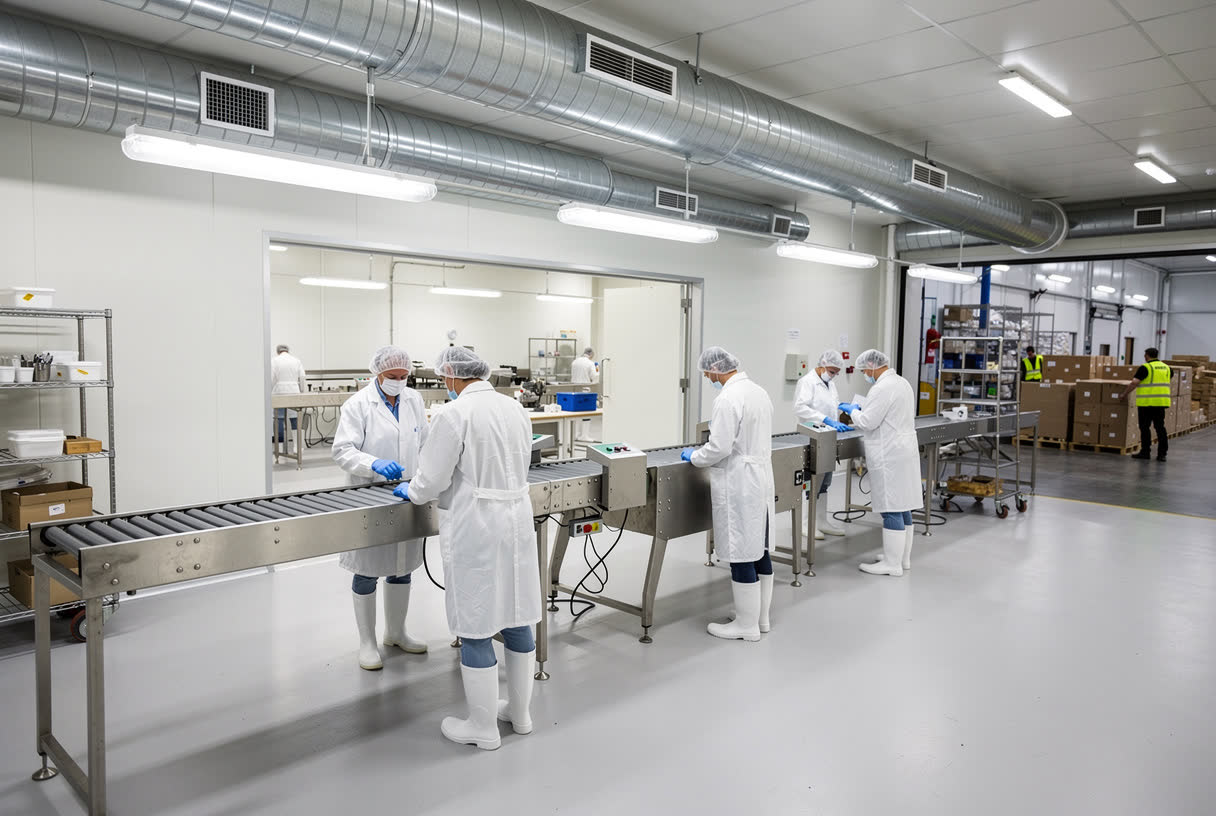
Good ventilation removes steam, heat, condensation and grease. Without it, condensation can drip onto food, and mould can grow on walls and ceilings.

Good lighting allows staff to see what they are doing, spot dirt and foreign bodies, and clean properly. Light fittings over open food should be protected, so that broken glass cannot fall into food.

Waste Management
Waste Management

Food waste and other rubbish must be put in suitable bins with lids, removed from food areas regularly, and never allowed to build up.

External waste should be kept in a clean, enclosed area with secure, lidded containers, away from production and goods-in areas.

Good waste control reduces the risk of pests, odours and contamination. Always wash your hands after handling waste.

Keeping Pests Out
Keeping Pests Out

Premises must be built and maintained to keep pests out:

  • Doors should close properly, and be kept shut.
  • Windows that open should have fly screens.
  • Gaps around pipes and cables should be sealed.
  • Drains should be covered and kept clean.
  • Electric fly killers should be positioned away from open food.

Report any damage that could let pests in.

Premises Requirements

Suitable food premises should:

  • Be clean, and in good repair.
  • Have smooth, washable, non-absorbent surfaces.
  • Separate raw and ready-to-eat areas.
  • Have a logical flow from raw materials to finished product.
  • Provide dedicated hand washing and changing facilities.
  • Have good lighting and ventilation.
  • Manage waste properly, and keep pests out.
Summary

In this module, you have learned that:

Food premises must be clean, in good repair, and built from smooth, washable, easy-to-clean materials.

Good design separates raw and ready-to-eat work, with a logical one-way flow through the site.

Dedicated hand washing facilities, good lighting and ventilation, waste control and pest proofing all support safe food.

In the next module, we will look at cleaning, disinfection and pest control.

Knowledge Check
What should food contact surfaces be?
Select one answer, then press Check.
Soft and absorbent.
Made of untreated wood.
Smooth, non-absorbent and easy to clean.
Textured, to grip the food.
Correct. Surfaces should be smooth, non-absorbent, and easy to clean and disinfect.
Not quite. Think about which surface would leave nowhere for dirt and bacteria to hide. Try again.
Next Module →Answer the question to unlock the next module.
Page 1 of 14