← Exit
Module 5 · Food Storage0% complete · 13 slides left
Level 2 Food Hygiene and Safety for Manufacturing
Module 5
This course contains audio. Use headphones in public places.
Introduction
Introduction

Safe storage keeps food out of the temperature danger zone, prevents cross-contamination, and reduces waste.

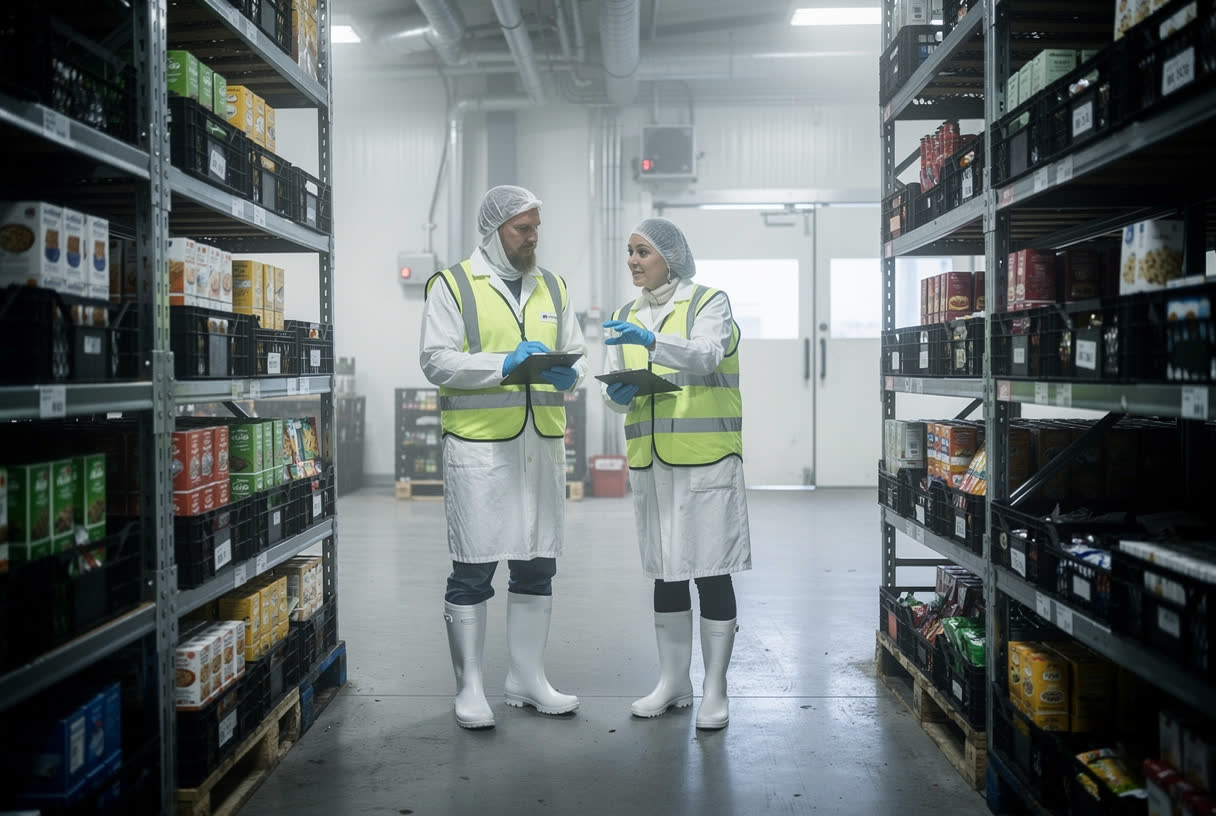
This module explains how to check deliveries of raw materials, how to read date labels, how to rotate stock, and how to store food correctly, whether it is dry, chilled or frozen.
In This Module
In This Module

Storage applies from the moment raw materials arrive on site until finished product is dispatched. This module covers:

  • Checking deliveries.
  • Use-by and best-before dates.
  • Stock rotation.
  • Dry storage.
  • Fruit and vegetable storage.
  • Chilled storage.
  • Frozen storage.
Checking Deliveries
Checking Deliveries

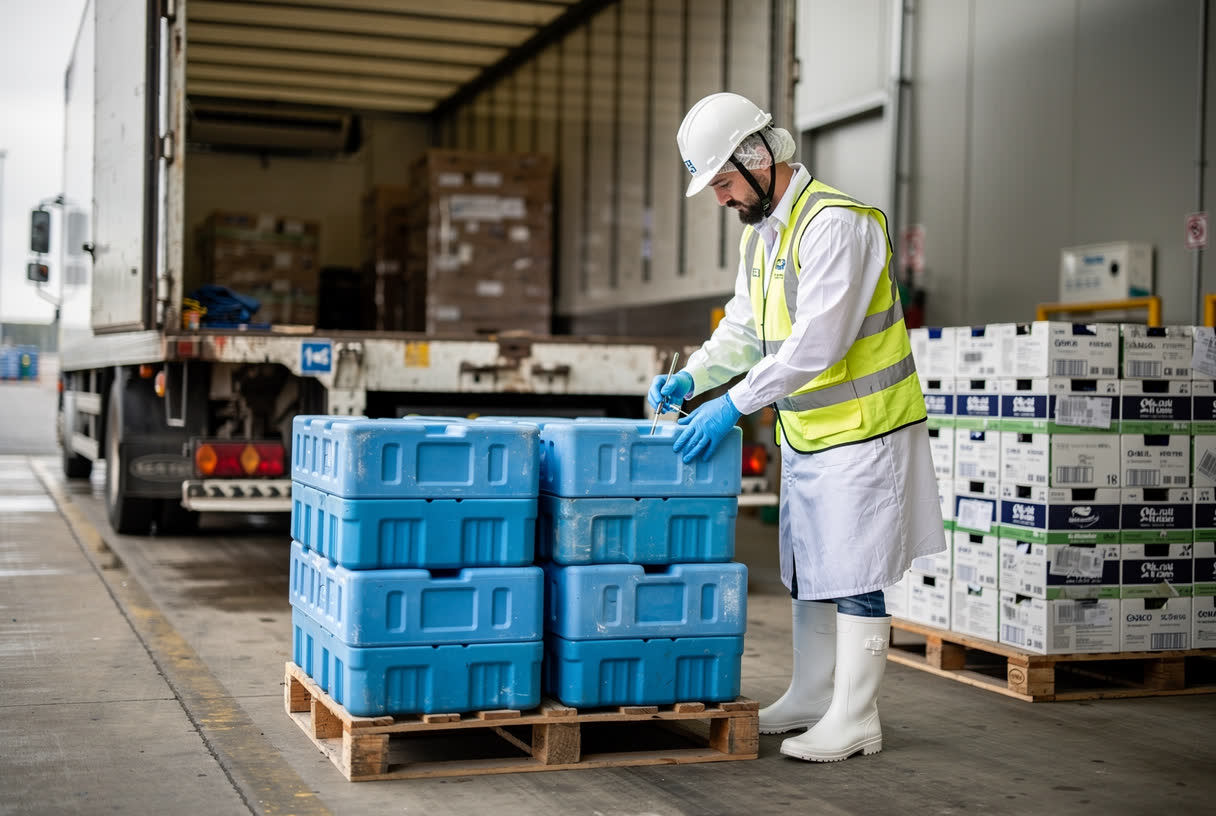
When raw materials and ingredients are delivered, check that:

  • They come from a reputable, approved supplier.
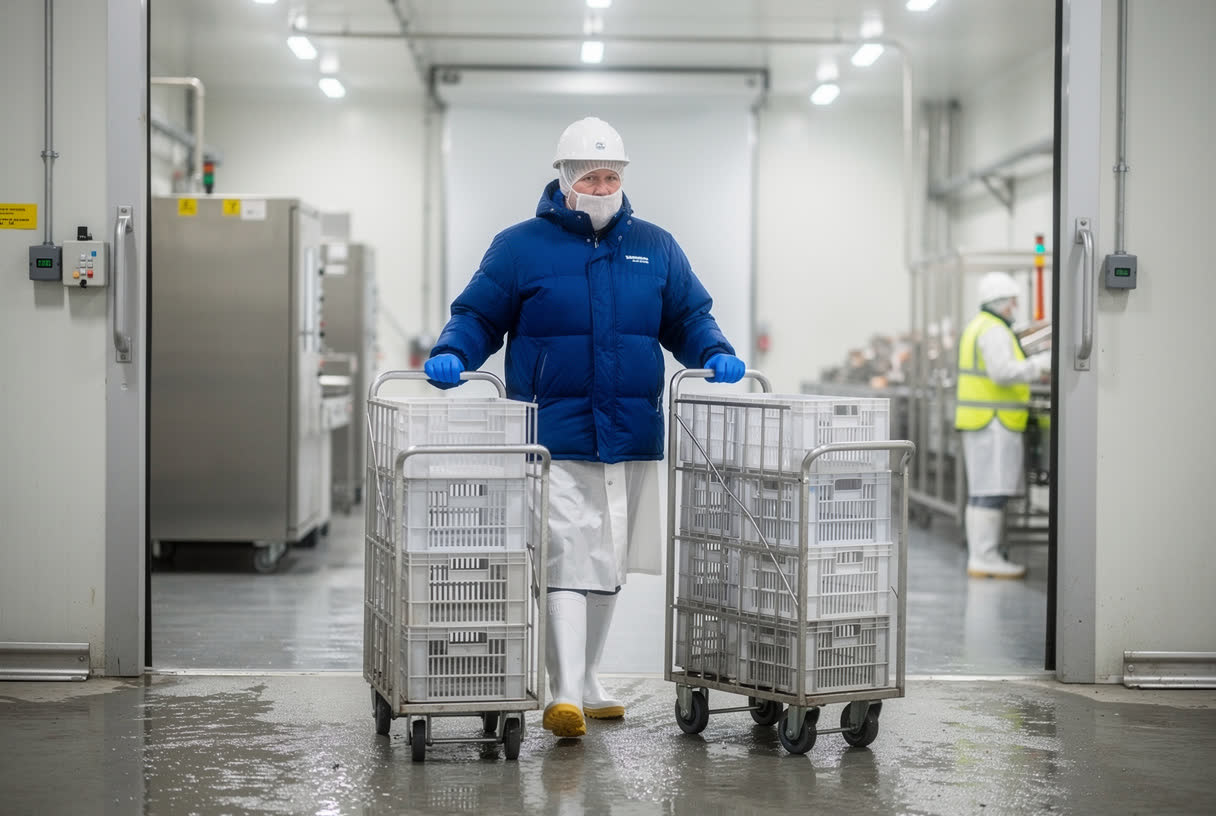
  • Chilled food is at or below 5°C, and frozen food at -18°C or colder.
  • Packaging is intact, clean and undamaged, with no sign of pests.
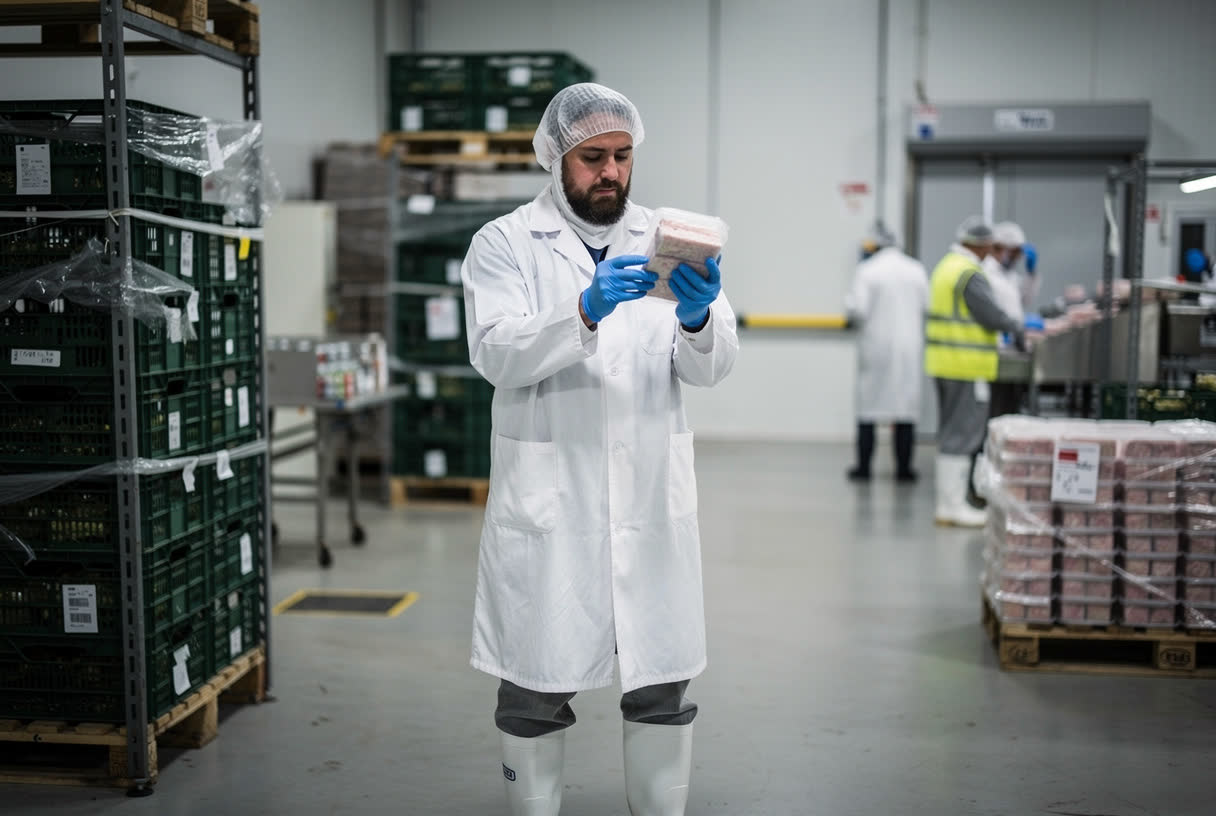
  • Date marks are acceptable, and batch codes are present for traceability.
  • The vehicle is clean, and kept at the right temperature.
  • The goods match the order and the specification.
Accepting and Rejecting Deliveries

Anything that is damaged, out of date, at the wrong temperature, or showing signs of pests must be rejected, and the rejection recorded.

Record the details of every delivery you accept, including temperatures and batch codes, so that the food can be traced if there is ever a problem.

Move chilled and frozen deliveries into storage first, as quickly as possible.

Use-By and Best-Before Dates
  • A use-by date relates to safety. It appears on perishable foods, such as chilled meat and dairy products. Food must not be used, sold or dispatched after this date, even if it looks and smells fine.
  • A best-before date relates to quality. The food may still be safe to eat afterwards, but it may be past its best.

Display-until and sell-by dates are for stock control in shops. They are not legal safety dates.

Stock Rotation
Stock Rotation

Stock rotation means using older stock first. This is called First In, First Out, or FIFO.

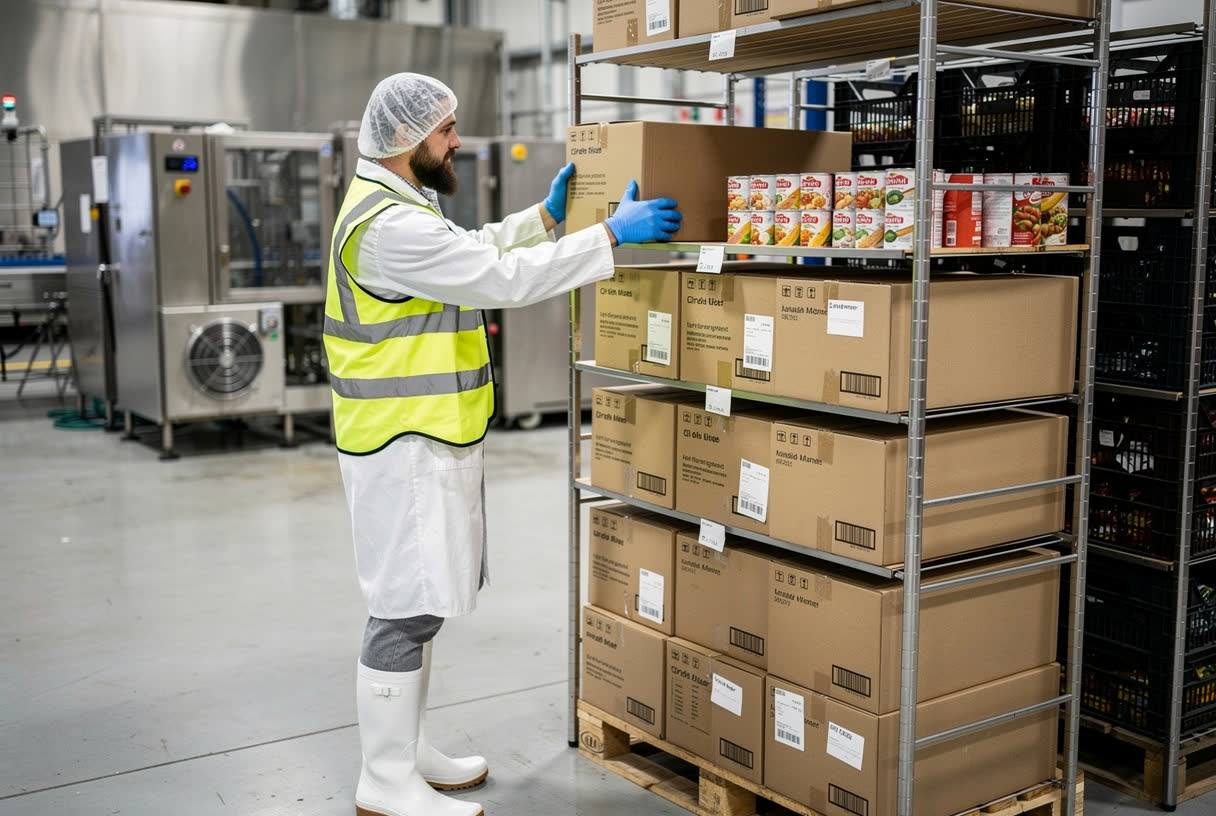
Place new deliveries behind, or below, existing stock, so that the oldest stock is always used first. Check dates regularly, and remove anything that is out of date.

Good rotation reduces waste, and stops out-of-date ingredients being used by mistake.

Dry Storage
Dry Storage

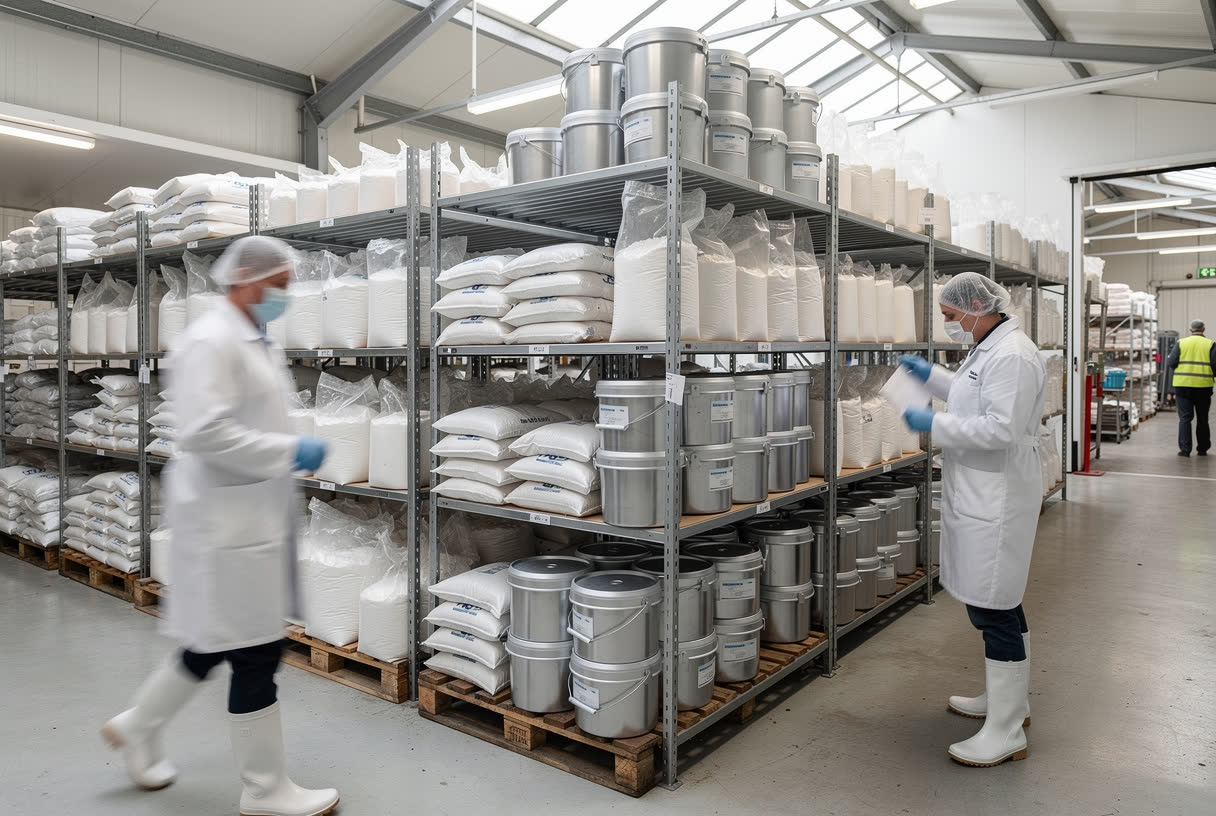
Dry goods, such as flour, sugar, rice, dried ingredients and canned food, should be stored:

  • In a cool, dry, well-ventilated area.
  • Off the floor, on clean shelving or pallets, and away from walls.
  • In clean, sealed, labelled containers once opened.
  • Away from chemicals and strong smells.
  • With allergenic ingredients kept separate.

Check dry stores regularly for damage, spillages and signs of pests.

Fruit and Vegetable Storage

Store fresh fruit and vegetables in a cool, ventilated area, or chilled where required. Keep them off the floor, and away from ready-to-eat food.

Raw produce can carry soil and bacteria, so wash or prepare it in a separate area before it goes into production.

Remove damaged or rotting produce promptly, as it speeds up the spoilage of the produce around it.

Chilled Storage
Chilled Storage

Keep chilled high-risk food at or below 5°C. In England and Wales, the legal maximum is 8°C, but 5°C or below is the recommended target. Approved establishments handling products of animal origin must follow the temperature rules of Regulation 853/2004 instead. Chillers and cold stores should be monitored and recorded.

Store raw food below ready-to-eat food, so that drips cannot contaminate it. Better still, keep them in separate chillers.

Do not overload chillers, and keep doors closed so the cold air stays in.

Frozen Storage
Frozen Storage

Keep frozen food at -18°C or colder. Bacteria do not grow at this temperature, but they are not killed, and will start growing again when the food thaws.

Label and date frozen items, and use them in rotation.

Never refreeze raw food that has thawed. Bacteria that multiplied during thawing will survive freezing and grow again.

Safe Storage Rules
Safe Storage Rules

Good storage keeps food safe, and reduces waste:

  • Store raw food below, or separate from, ready-to-eat food.
  • Keep food covered, labelled and dated.
  • Follow use-by dates, and rotate stock first in, first out.
  • Keep chilled food at or below 5°C, and frozen food at -18°C or colder.
  • Keep food off the floor, and away from chemicals.
  • Keep storage areas clean, tidy and free from pests.
Summary

In this module, you have learned that:

Deliveries are checked for temperature, dates and damage, unfit goods are rejected, and records are kept.

Use-by is about safety and must never be exceeded, best-before is about quality, and stock is rotated first in, first out.

Chilled food is kept at or below 5°C, with raw stored below ready-to-eat, and frozen food at -18°C or colder.

In the next module, we will look at food preparation and processing.

Knowledge Check
Which type of date relates to food safety, and must never be exceeded?
Select one answer, then press Check.
Best before.
Use by.
Display until.
Sell by.
Correct. The use-by date relates to safety, and must never be exceeded.
Not quite. Best-before is about quality, and display-until and sell-by are for stock control. Try again.
Next Module →Answer the question to unlock the next module.
Page 1 of 14