Lesson Objectives
In this module we cover the principles of manual handling, and how to carry out a lift in the different situations you meet at work.

In this module we cover the principles of manual handling, and how to carry out a lift in the different situations you meet at work.
So what are the principles of safe manual handling, the ones you follow every time to reduce the risk of injury? Let us go through them one by one.
Start with a stable posture. Your feet and your body should point in the direction you intend to go. If the load is uneven, keep the heaviest side towards you. Stand with your feet apart and flat on the ground, so you have a proper base of support. Put one foot slightly ahead of the other, and avoid leaning backwards or forwards. And avoid tight clothing or unsuitable footwear that makes it hard to move.
Now take up a stable position. Bend your knees, and let them move apart from each other. Avoid stooping, that is bending the back over. And avoid a full squat, with the hips and knees completely flexed.
Get a firm grip. Drop your chin and lean forward over the load so you can take hold of it properly. Your grip is better when as much of your hand as possible is in contact with the load, and your fingers curl around it. If the load is slippery, greasy or otherwise hard to hold, you may need gloves. And leaning over the load is often what gives you the better grip.
Now elevate slowly. As you lift, keep your back in its natural shape. Keep your shoulders level, and keep your face pointing in the same direction as your hips. Push up slowly and smoothly using your legs, raising your chin as the lift begins. As your knees straighten, let your hips straighten with them. Pull the load in towards your waist, which is your centre of gravity. And do not twist as you lift.
Carry the load close to your body. As you walk, keep it in against you. Carrying a load close to your centre of gravity reduces the strain on your back. Hold that same load slightly away from your body and its effect doubles. Hold it at arm's length and its effect is five times greater. So keep the centre of gravity of the load close to your own.
Think about a seesaw. When you sit on one with someone of the same weight, you balance. When you are heavier than the person on the other end, your side goes down. But if the heavier person moves in closer to the pivot point, in the middle, the effect of their weight becomes less.
So what does that teach us? When something heavy is placed closer to the pivot, the effect of its weight is reduced. And why does that matter for manual handling? Because you are the pivot. It means you should stand close to the object before you pick it up. And it means you should keep the load close to your body while lifting, lowering, pushing or pulling.
Avoid twisting during any handling task. When you walk with a load, walk steadily and take even steps. Look ahead, not down at the load. And if you have to change direction, move your feet rather than turning your body. Remember, no twisting while you are handling.
Let us check what you have learned. When about to lift, stand with your feet close together to give you a base of support. That is false. Your feet should be apart. It is okay to twist and lift at the same time. Also false, and one of the most common ways people injure themselves. Holding a load away from my centre of gravity increases the impact of the load. That one is true. And, stand up as quickly as possible after lifting a load from the floor. False. Rise slowly and smoothly.
Setting a load down can put as much strain on your back as lifting it did. So when you set one down, bend your knees to lower yourself, and keep your back in its natural shape. Do not release your grip until the load is fully down. And if it has to go in an exact position, put it down first, then slide it into place.
When pushing or pulling, your hands should be on the load somewhere between shoulder and waist height. Lean in the direction you are going, keeping your back in its natural shape and your knees slightly bent. When pushing, place one foot forward and push from the back leg. When pulling, place one foot behind you and push from the front leg.
For a team lift, first make sure there is enough space to manoeuvre as a team. Work with someone of a similar build and height. Talk the lift through beforehand, and agree that one person gives the instructions. Identify the centre of gravity, and check whether there is a heavy side. If there are stairs or slopes on your route, remember that whoever is at the lower end carries more of the weight. Then lift at the same time and move smoothly together.
Lifting out of a car boot needs particular care, because the boot lip forces you to reach. To put a load in, rest it on the edge of the boot first, then lower it in by bending both knees, keeping a broad base. Here is a useful tip. Put a large piece of cardboard on the floor of the boot before you load it. Then when you unload, slide the cardboard towards you, instead of leaning far into the boot.
If you lift while seated, you cannot use the strong muscles in your legs, so most of the work falls on the weaker muscles of your upper body. Lifting while seated should be avoided. If you have to do it, place items where you will not have to reach or lean forward. And avoid storing loads below the level of your workstation, because that leaves you stooping and twisting to reach them.
For a long lift, such as from the floor up to shoulder height, a two stage lift is the safer option. Lift the load smoothly, then rest it midway somewhere secure, a table for instance, and change your grip for the second stage from waist to shoulder. Take extra care lifting above shoulder level. It moves the load away from your centre of gravity, it increases the effective load, and it puts strain on the shoulders.
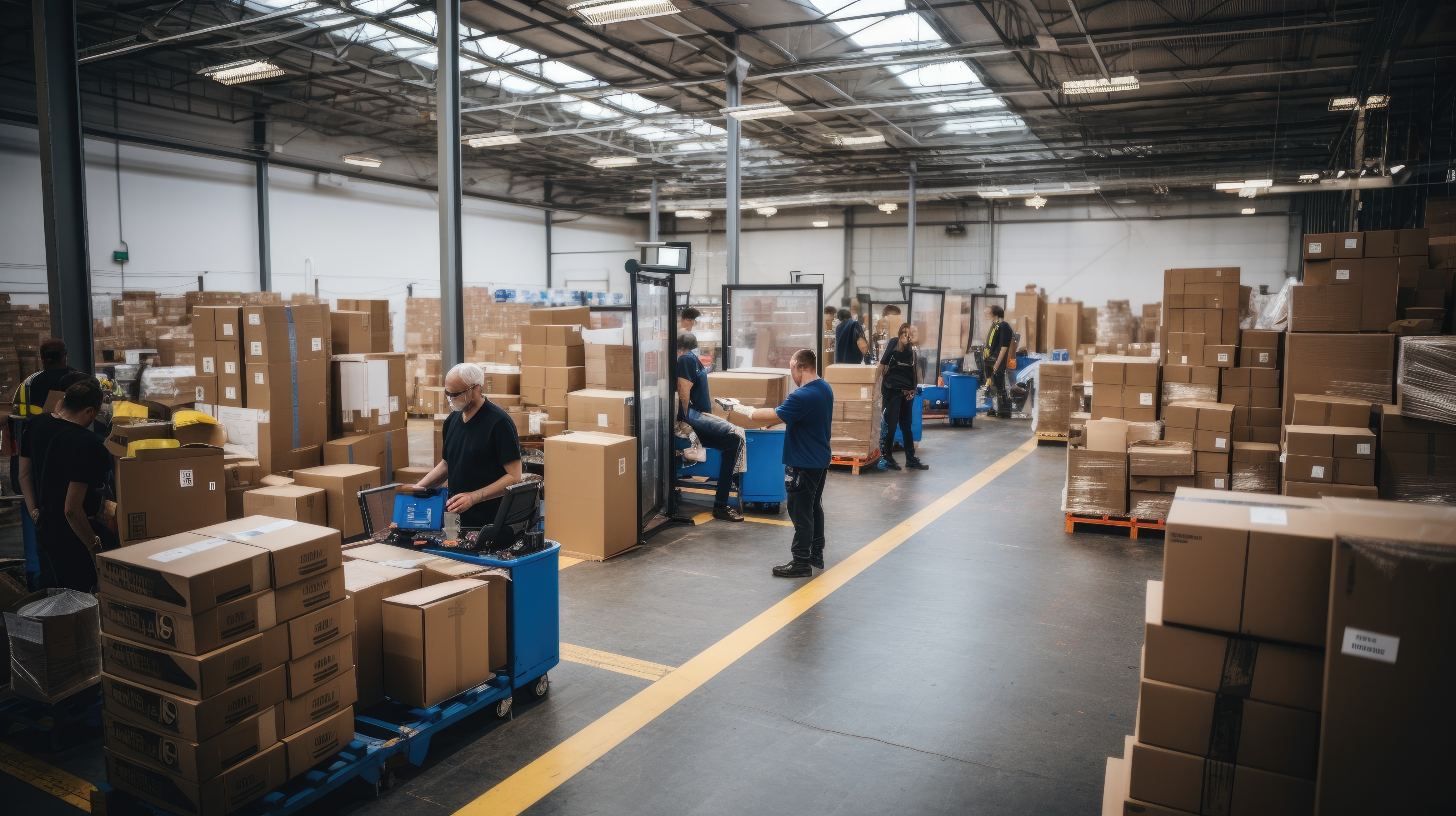
Always stop and think before you carry out a handling task. Plan the lift. Consider whether a mechanical aid could do it. Know your route, and look out for hazards along it.
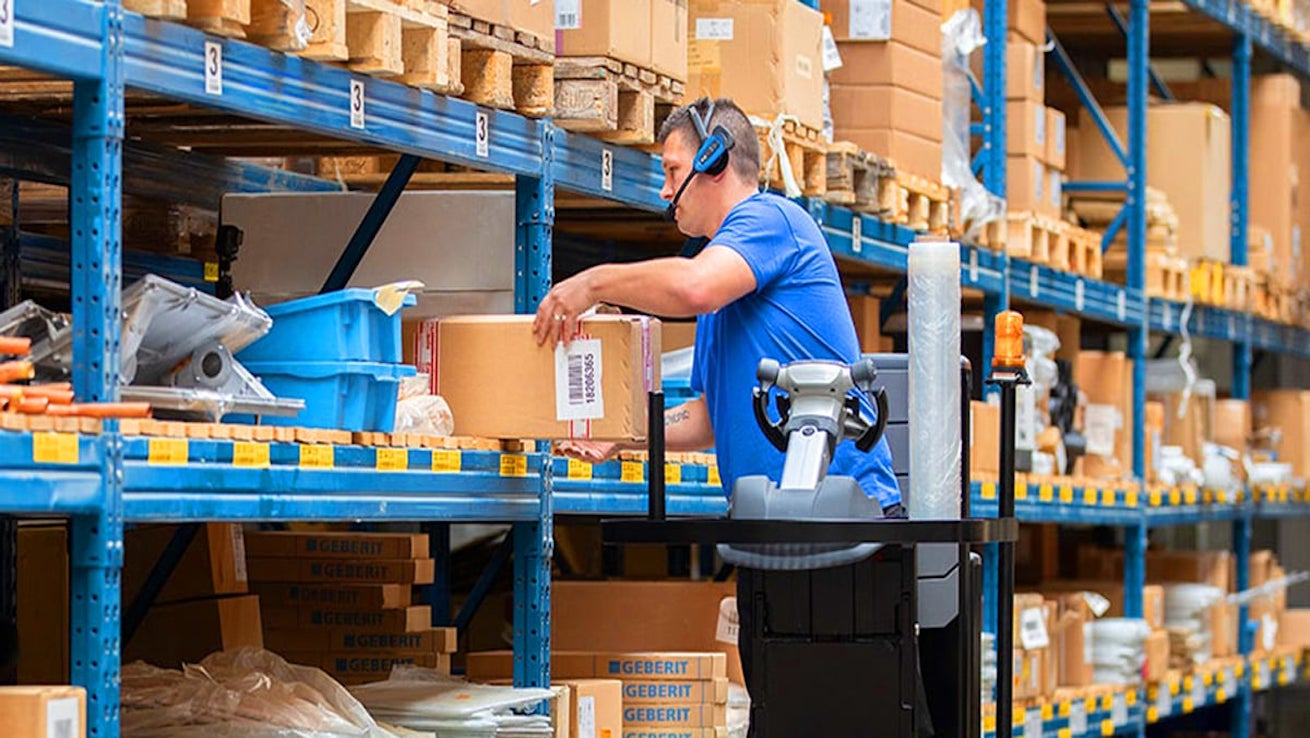
If the lift is yours to make, position your feet apart, bend the knees slightly, get a firm grip and elevate smoothly.

And remember, injuries do not only happen while lifting. They happen just as easily while pushing, pulling, carrying, and setting a load down.