← Exit
Module 2 · Food Safety Hazards0% complete · 19 slides left
HACCP Level 2
HACCP Level 2
Module 2
This course contains audio. Use headphones in public places.
Introduction
Introduction

To identify hazards and assess risks, which are both key steps in building a HACCP system, you first need to understand the different ways that food can become contaminated.

This knowledge makes sure that the right control measures are put in place. If contamination is not controlled, customers can become ill from eating your food, with serious and costly consequences for the business.

In this module, we will look at the four main types of food safety hazard, with examples of each, and at how cross-contamination happens.
Hazards and the HACCP System

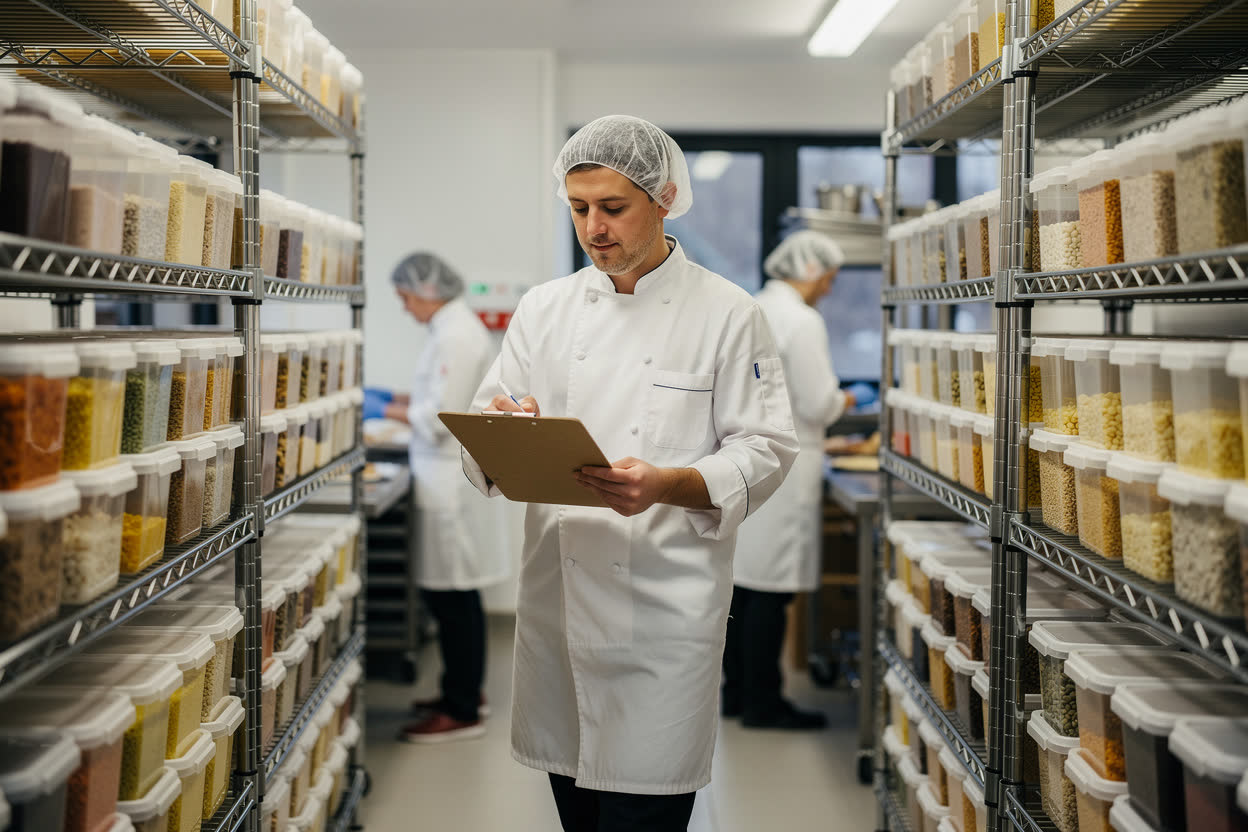
A key step in developing a HACCP system is the hazard analysis. This means collecting and evaluating information on every procedure and process in the business that could make food unsafe and harm the consumer.

It covers biological, chemical, physical and allergenic hazards, at every stage, from delivery and storage, through preparation and cooking, to service.

Without a clear understanding of these hazards, it is very difficult to set effective controls.

The Four Types of Hazard

Your business has a HACCP-based system to stop food safety hazards from contaminating food and harming the consumer.

Food safety hazards fall into four main categories:

  • Physical contamination.
  • Chemical contamination.
  • Microbial contamination, sometimes called biological contamination.
  • Allergenic contamination.

A single food can be at risk from more than one type, so each must be considered at every step.

Physical Contamination

Physical hazards are foreign objects in food that should not be there, such as a piece of bone, glass or a plaster.

They do not usually cause food poisoning, but they can be very distressing for the consumer, and they can cause real harm, such as choking, cuts to the mouth or broken teeth. They can also lead to complaints, legal claims and damage to the reputation of the business.

The Six Ps
The Six Ps

The sources of physical contamination can be remembered as the six Ps:

  • People: hair, nails, buttons, plasters and jewellery.
  • Packaging: glass, card, plastic, string, staples and tape.
  • Product: stones, shells, dirt, feathers and bones from raw ingredients.
  • Pests: dead insects or rodents, droppings, eggs and feathers.
  • Premises: splinters, flaking paint, rust and paper clips.
  • Plant: screws, bolts and broken parts of machinery and equipment.
Chemical Contamination

Chemical hazards can get into food at any stage, from growing and sourcing raw ingredients, through delivery, storage and preparation, right up to sale or distribution.

Their effects can appear quickly, like food poisoning, but sometimes symptoms take months or even years to develop.

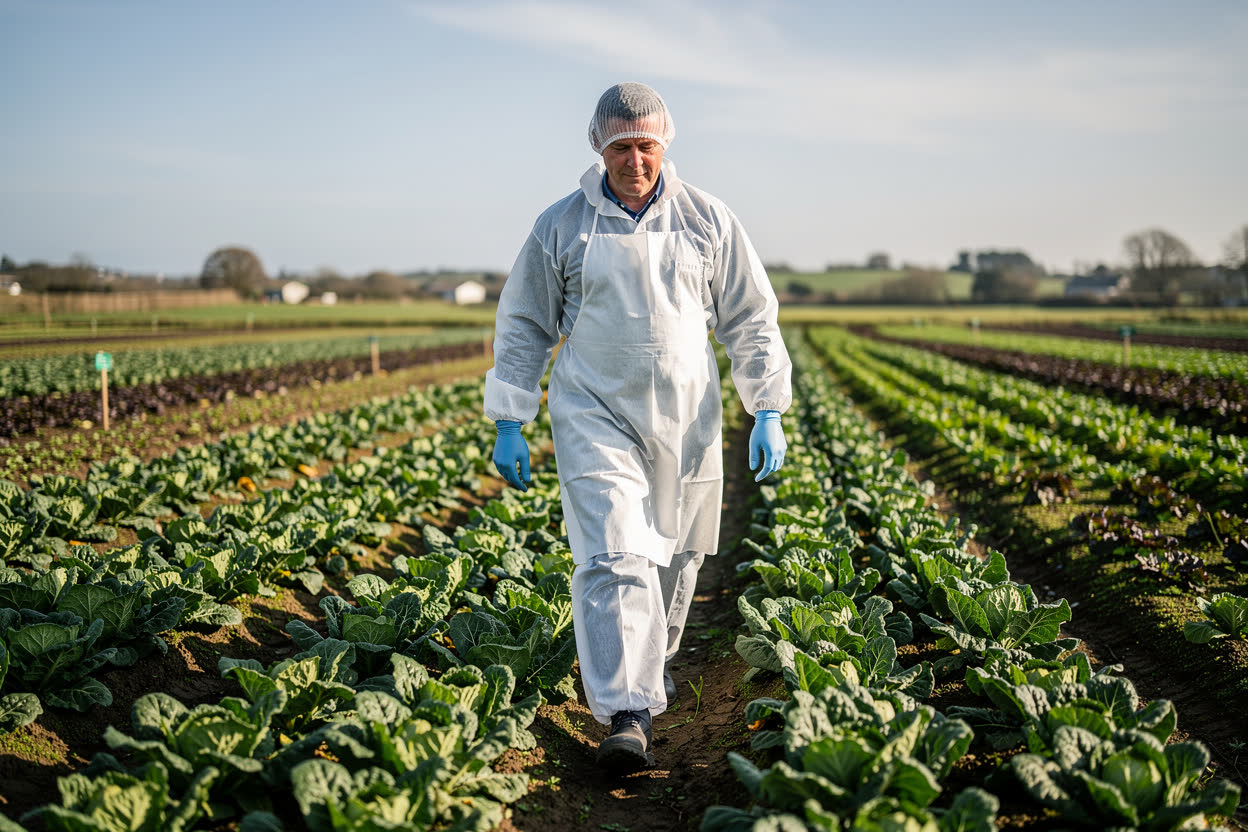
Examples include pesticides or fertilisers misused on crops, veterinary drugs in animals, and crops grown near industrial sites that are contaminated with heavy metals such as lead.

Chemical Hazards in the Workplace

In a food business, chemical contamination often comes from:

  • Delivery vehicles that have carried chemicals and were not properly cleaned.
  • Cleaning chemicals stored in food areas, or kept in unlabelled containers that could be used by mistake.
  • Food stored in old chemical containers.
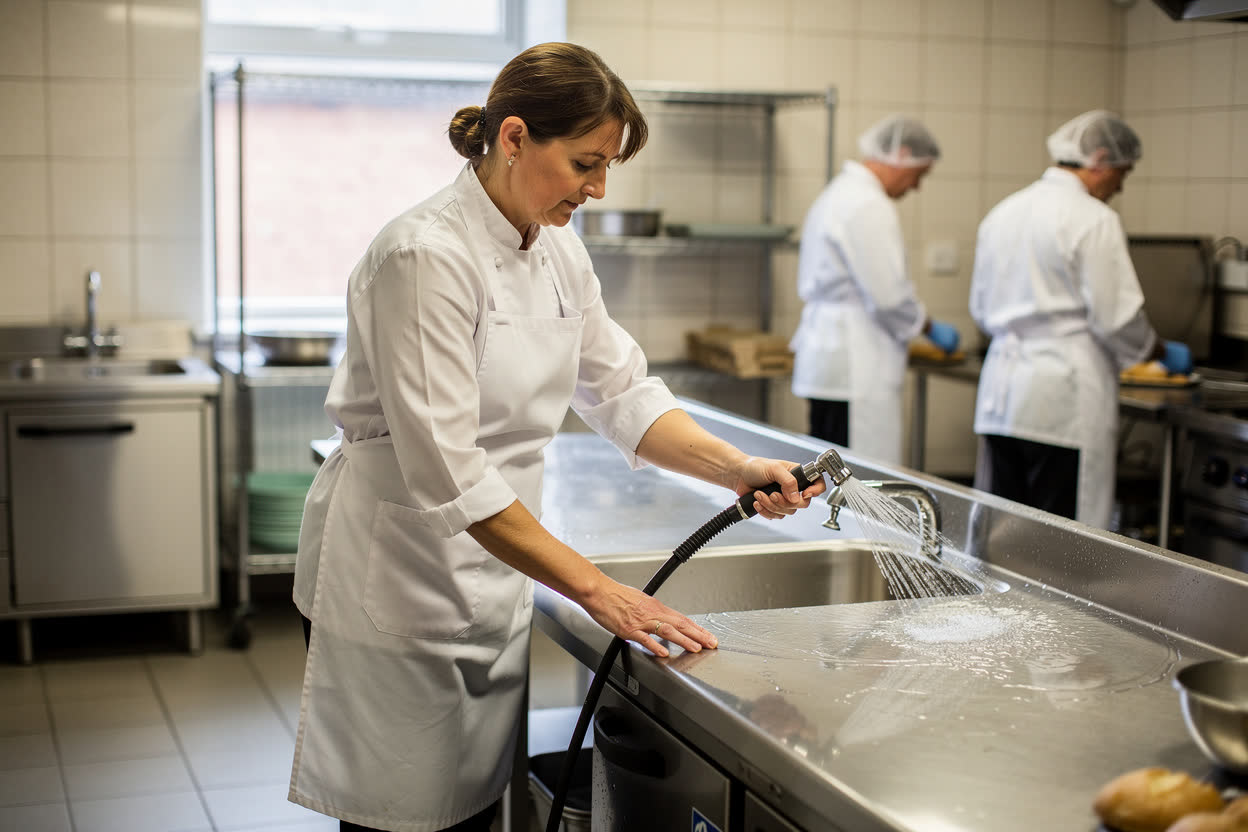
  • Chemical residues left on worktops and equipment, or chemicals sprayed near open food.
  • Leaks of oil, lubricants or hydraulic fluid from machinery.

Keep chemicals labelled, stored away from food, and used only as instructed.

Knowledge Check
Which of these is a source of chemical contamination?
Select one answer, then press Check.
Pesticides
Bones
Staples
Hair
Correct. Pesticides are a chemical hazard. Bones, staples and hair are all physical hazards.
Not quite. Bones, staples and hair are physical hazards. Look for the substance that could leave a chemical residue on food, and try again.
Microbial Contamination

Microbial, or microbiological, contamination is the most common cause of food poisoning outbreaks. It includes bacteria, viruses, moulds and parasites. It can come from:

  • Careless food handling.
  • Poor personal hygiene, such as not washing hands properly, or working while ill.
  • Not wearing the correct protective clothing.
  • Contaminated or damaged packaging.
  • Poor cleaning of the premises and equipment.
  • Poor ventilation or drainage.
  • Contact with raw food or waste.
  • Pests, such as flies, rodents and birds.
Spoilage and Pathogenic Bacteria

Chemical and physical contamination can often be seen. Microbial contamination is much harder to spot. There are two types to control:

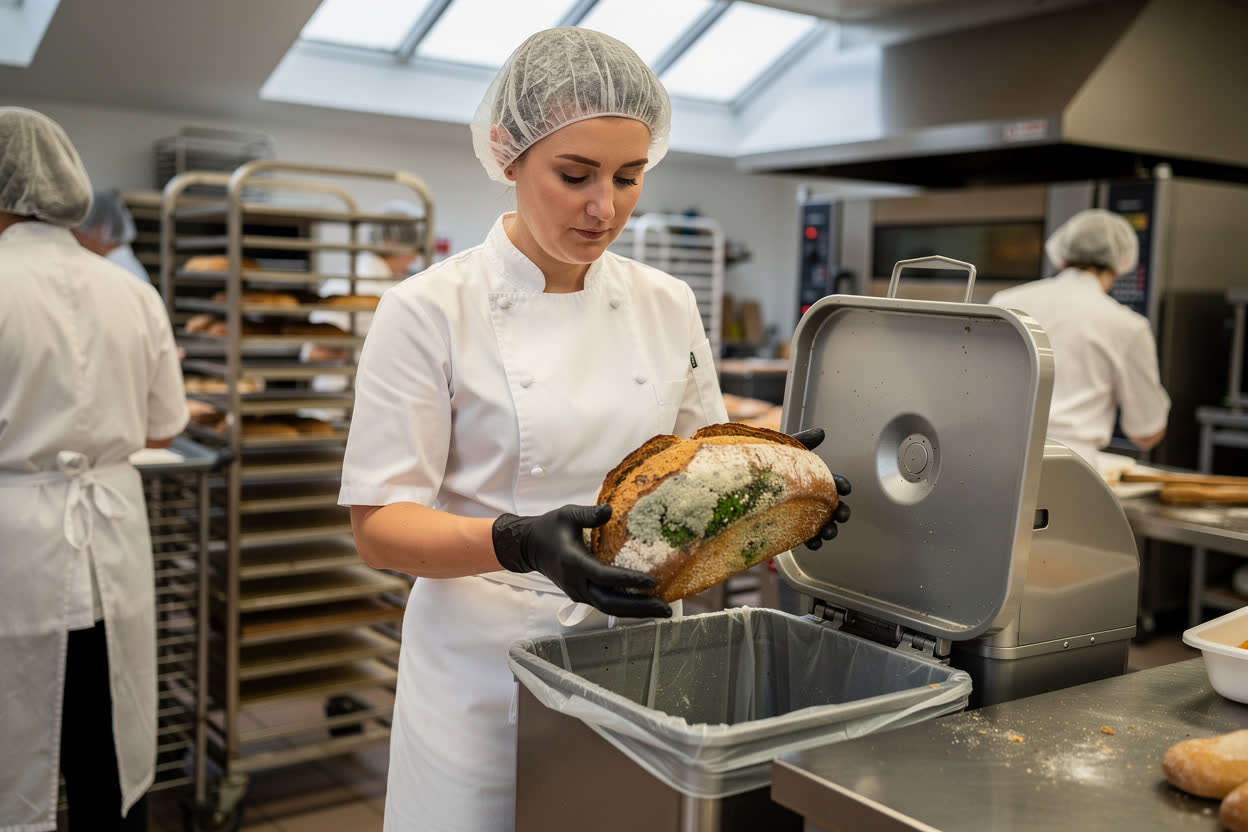
  • Spoilage organisms make food discolour, turn slimy or smell bad, like mouldy bread or rotten fruit. Spoilage is often visible, so it can usually be spotted before the food is served.
  • Pathogenic bacteria cause illness, but they cannot be seen, smelled or tasted. Food can look and smell perfect and still make people seriously ill.

That is why everyone handling food must be trained in hygiene and temperature control, as Regulation 852/2004 requires.

Allergenic Contamination

A food allergy is a potentially life-threatening reaction that happens when the body’s immune system mistakes a harmless food for a threat. The foods that trigger it are called allergens.

Reactions range from a mild rash or itching to anaphylactic shock, and can cause death. Even a tiny amount of an allergen can cause a severe reaction.

Every food business needs a system to stop allergenic ingredients from contaminating food that should be free from them, and to give customers accurate allergen information.

The 14 Allergens
The 14 Allergens

Any food can cause an allergic reaction, but the law names 14 allergens that must be identified and managed:

  • Celery, including celeriac.
  • Cereals containing gluten, such as wheat, barley, rye and oats.
  • Crustaceans, such as crab, lobster and prawns.
  • Eggs.
  • Fish.
  • Lupin.
  • Milk.
  • Molluscs, such as mussels, oysters and squid.
  • Mustard.
  • Tree nuts, such as walnuts, hazelnuts, almonds, cashews and pistachios.
  • Peanuts.
  • Sesame seeds.
  • Soya.
  • Sulphur dioxide and sulphites, above 10 milligrams per kilogram or per litre.
The Remaining Named Allergens
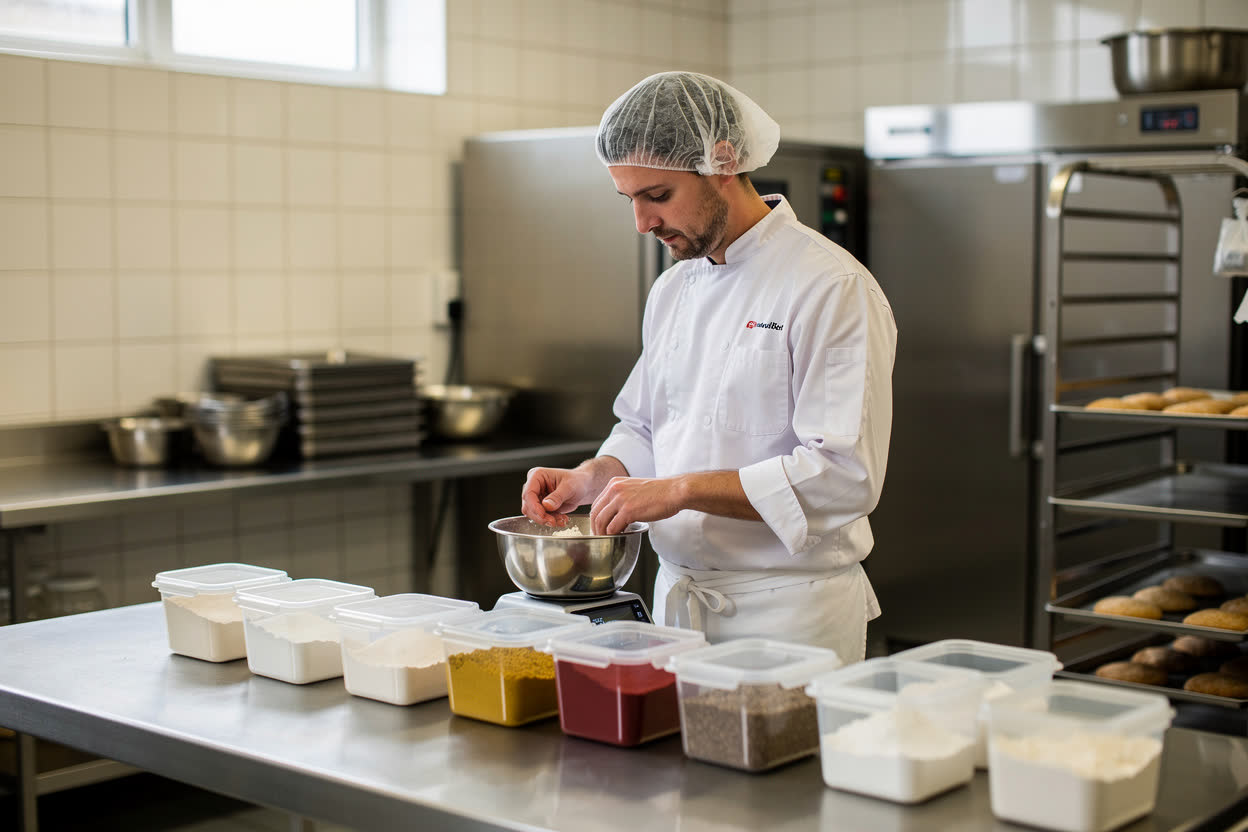
Eggs, fish, lupin, milk, mustard, peanuts, sesame and soya are also named allergens.Allergens often hide in other products, such as egg in mayonnaise or sesame in hummus.Know where each allergen appears in the food your business makes.
The Remaining Named Allergens

The fourteen named allergens include several that turn up in a great many foods. Eggs are present not only as eggs, but in products such as mayonnaise and custard. Fish includes both fresh and processed fish products. Lupin is sometimes used in flour and bakery products, where it is easy to overlook. Milk covers all dairy products, including cheese, butter, cream and yoghurt. Mustard includes mustard seeds and prepared mustard.

Peanuts are one of the most common and most severe allergens. Sesame seeds are often found in bread, hummus and Asian dishes. Soya, or soy beans, is used in many processed foods and sauces. Together with celery, cereals containing gluten, crustaceans, molluscs, tree nuts such as Brazil nuts and macadamias, and sulphites, these make up the fourteen. Oats count as a gluten cereal unless specifically labelled gluten-free. Every food handler should know where each of these appears in the products their business makes and sells.

Managing Allergens
Managing Allergens

Allergen information must be available for all food under food information law. Food that is prepacked for direct sale must also carry a full ingredients label, with allergens emphasised, under what is known as Natasha’s Law.

  • Know which allergens are in every dish, and keep recipes up to date.
  • Store allergenic ingredients in sealed, labelled containers.
  • Clean surfaces and equipment thoroughly, and use separate utensils where needed.
  • Never guess. If you are unsure, check with your supervisor before answering a customer.
Cross-Contamination
Cross-Contamination

Cross-contamination is the unintentional transfer of harmful bacteria from one food, surface or object onto ready-to-eat food. It is a major cause of food poisoning.

Bacteria are carried by vehicles of contamination, such as:

  • People, through hands, clothing and poor hygiene.
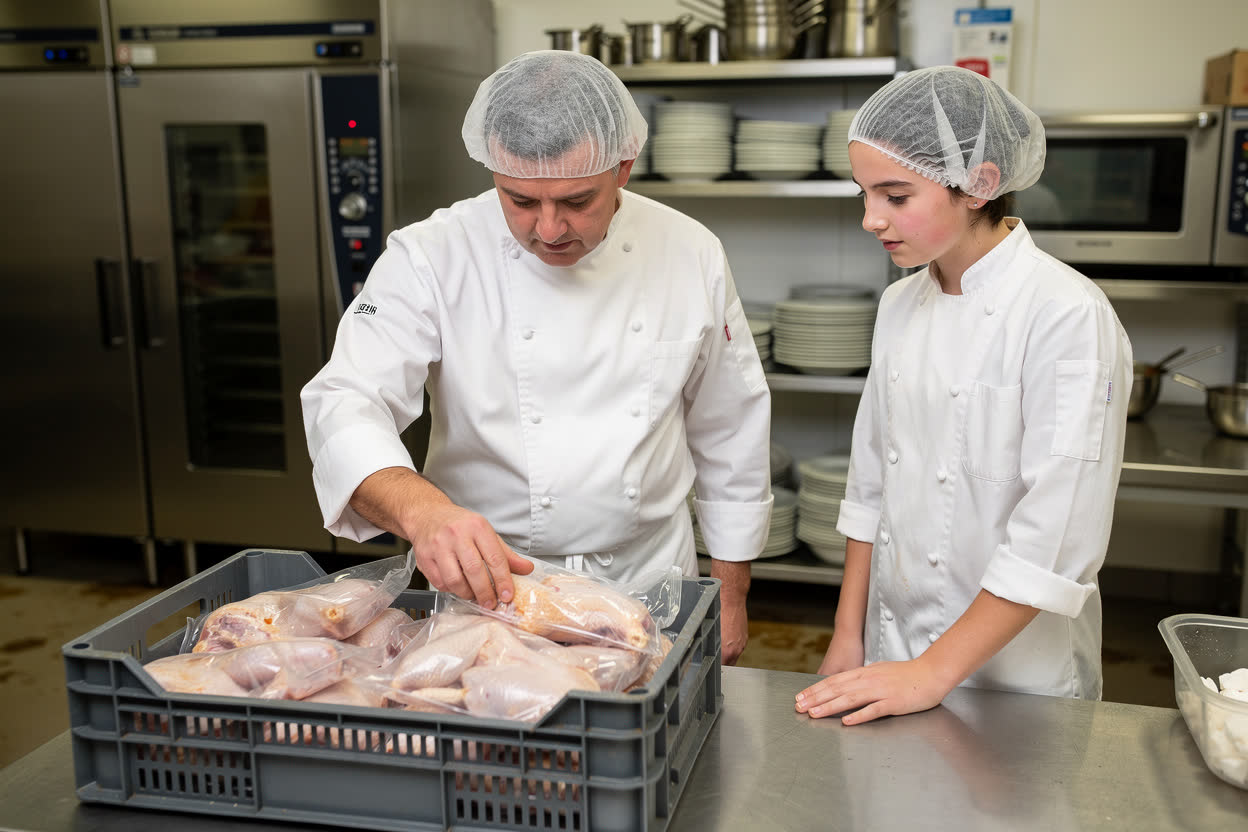
  • Raw food, especially raw meat, poultry, fish and eggs.
  • Insects, rodents and birds.
  • Dust, soil and dirt.
  • Surfaces, such as worktops, chopping boards, door handles and light switches.
  • Cleaning cloths, especially when one cloth is used for everything.
Clothing, Cloths and Other Vehicles
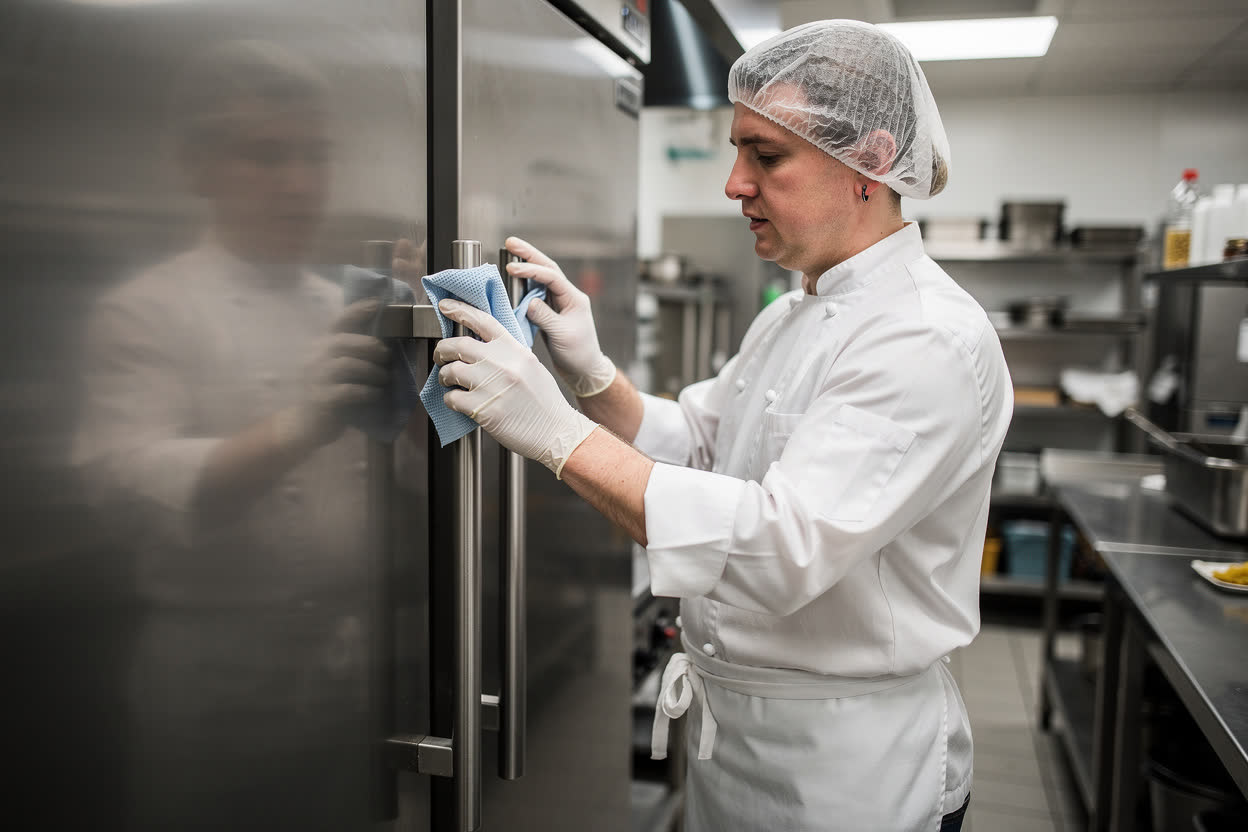
Clothing and uniforms can carry bacteria from one area to another.Multi-purpose cloths spread bacteria; colour-coded cloths are recommended.Dust, soil and dirt arrive on shoes, packaging and raw ingredients.
Clothing, Cloths and Other Vehicles

Some vehicles of contamination are obvious, such as raw meat or unwashed hands. Others are easy to forget. Clothing and uniforms can carry bacteria from one area of the business to another if they are not changed or cleaned properly, for example when someone moves from handling raw meat to serving ready-to-eat food in the same apron. Cleaning cloths are a particular risk, especially when one cloth is used for several purposes or is not changed regularly.

Using colour-coded cloths for different areas is recommended best practice. Dust, soil and dirt can be brought into food areas on shoes, on outer packaging and on raw ingredients such as unwashed vegetables. Frequently touched surfaces, including door handles, light switches and fridge handles, can pass bacteria between many people in a single shift. Raw food itself, especially raw meat, poultry, fish and eggs, carries high levels of bacteria. Recognising every vehicle is the first step in breaking the chain.

Preventing Cross-Contamination

The best way to prevent cross-contamination is to follow good food hygiene and personal hygiene practices at all times:

  • Wash your hands before handling food, and after handling raw food, waste or cleaning chemicals.
  • Keep raw and ready-to-eat foods apart, in storage and during preparation.
  • Store raw meat below ready-to-eat food in the fridge.
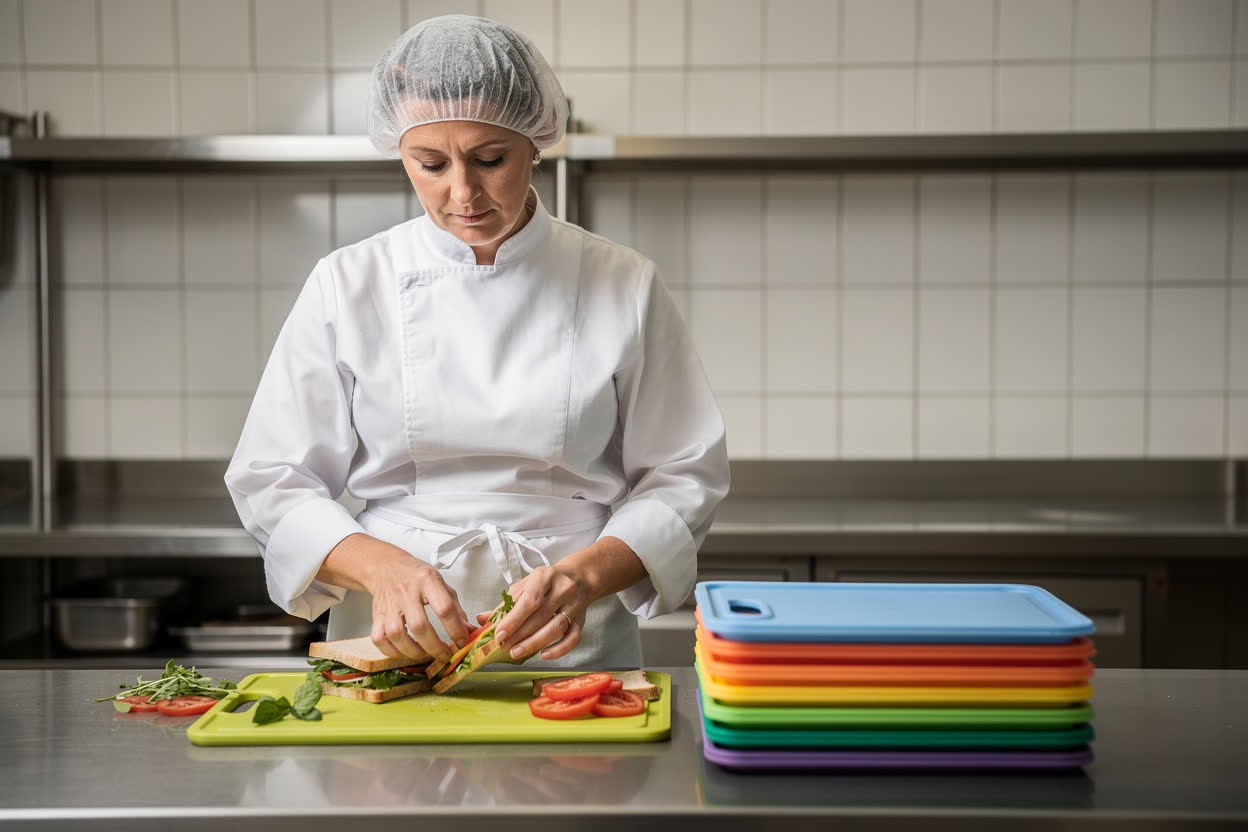
  • Use colour-coded chopping boards, knives and cloths.
  • Clean and disinfect surfaces and equipment between tasks.
  • Wear clean protective clothing, and change it when it becomes dirty.
Summary

In this module, you have learned that:

There are four types of food safety hazard: physical, chemical, microbial and allergenic.

Pathogenic bacteria cannot be seen, smelled or tasted, and 14 named allergens must be identified and managed.

Cross-contamination moves bacteria onto ready-to-eat food, and good hygiene practices prevent it.

In the next module, we will look at the seven principles of HACCP, and the prerequisites that must be in place first.

Knowledge Check
Which type of microbial contamination causes illness but cannot be seen, smelled or tasted?
Select one answer, then press Check.
Spoilage bacteria
Moulds that discolour food
Yeasts used in baking
Pathogenic bacteria
Correct. Pathogenic bacteria cause illness, but food can look, smell and taste normal.
Not quite. Spoilage organisms and moulds are often visible. Think about the bacteria that make people ill without any warning signs, and try again.
Next Module →Answer the question to unlock the next module.
Page 1 of 20