← Exit
Module 2 · Food Safety Hazards0% complete · 16 slides left
Level 1 Food Hygiene and Safety
Module 2
This course contains audio. Use headphones in public places.
Introduction
Introduction

Food can become contaminated in many ways, and everyone who works in a food business has a part to play in preventing it.

In this module, we look in more detail at the four types of food safety hazard: microbiological, allergenic, physical and chemical. You will learn where they come from, and how they put customers at risk.

Once you know what to look for, you can spot hazards in your own workplace, and act before they affect food.

In This Module
In This Module

Knowing the hazards helps you to spot them before they reach food. This module covers:

  • Microbiological hazards, including bacteria and spores.
  • High-risk and low-risk foods.
  • How food becomes contaminated.
  • Allergenic hazards, and the 14 named allergens.
  • Physical hazards, and where they come from.
  • Chemical hazards.
Microbiological Hazards

Microbiological hazards are tiny living organisms, such as bacteria, viruses and moulds, that can live in or on food. If eaten, they can cause food poisoning.

Bacteria are the most common cause of food poisoning outbreaks. Often called germs, they are found everywhere: in soil, water and air, and on animals and people.

Most bacteria are harmless, and some are useful, for example in making cheese and yoghurt, and in helping us digest food. It is the harmful ones that we must control.

Spoilage and Pathogenic Bacteria

There are two types of bacteria that must be controlled:

  • Spoilage bacteria make food rot, so that it discolours, becomes slimy or smells bad. Mouldy bread and rotten fruit are examples. Spoiled food should be thrown away.
  • Pathogenic bacteria cause illness. Examples are Salmonella, E. coli and Campylobacter, the most commonly reported cause of bacterial food poisoning in the UK.

Unlike spoilage, pathogenic bacteria cannot be seen, smelt or tasted. Food can look perfect and still make someone ill.

Spores
Spores

Correct storage and thorough cooking usually stop pathogenic bacteria from growing, or destroy them.

However, some bacteria can form spores. A spore is a tough protective coating that lets the bacteria survive conditions that would normally kill them, including very high temperatures. Some even survive boiling, such as Bacillus cereus in rice.

When conditions become favourable again, for example when cooked rice is left warm, the bacteria come out of the spores and start to multiply.

High-Risk and Low-Risk Foods

Pathogenic bacteria grow best in foods that are rich in protein and high in moisture, such as cooked meat and dairy products. These are called high-risk foods, and they must be managed carefully.

Bacteria find it much harder to grow in foods that are dry, acidic, or high in sugar or salt. These are called low-risk foods.

You will learn more about high-risk and low-risk foods in the next module.

How Food Becomes Contaminated

Some foods, such as raw meat, already contain bacteria. Other foods become contaminated when bacteria are passed to them, either by direct contact with contaminated food, or from another source, such as:

  • People: dirty hands, hair or nails.
  • The environment: unclean surfaces.
  • Equipment: dirty utensils.
  • Pests: mice, rats and flies.
  • Rubbish and waste.

Passing bacteria from one place to another in this way is called cross-contamination.

Allergenic Hazards
Allergenic Hazards

Allergenic hazards are not harmful to everyone, only to people with an allergy to that food. But for those people, the risk can be very serious.

Even a tiny trace of an allergen can be enough to cause a reaction.

Almost any food can cause an allergy, but the law names 14 allergens that cause the most problems. Food businesses must control these, and must tell customers when a food contains them.

The 14 Named Allergens

The 14 allergens that must be declared are:

  • Celery, including celeriac.
  • Cereals containing gluten, such as wheat, rye, barley and oats.
  • Crustaceans, such as prawns and lobster.
  • Eggs.
  • Fish.
  • Lupin.
  • Milk.
  • Molluscs, such as mussels and squid.
  • Mustard.
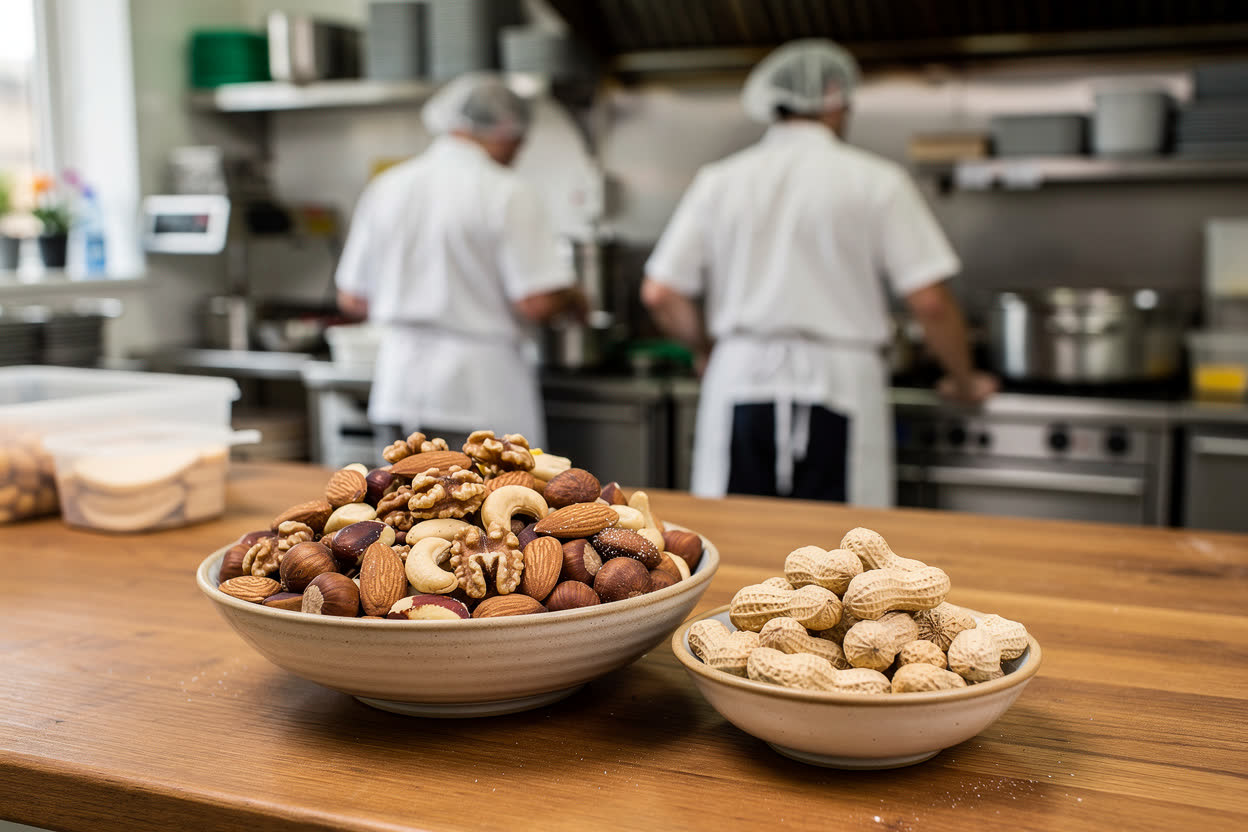
  • Tree nuts, such as almonds, hazelnuts, walnuts, cashews, pecans, pistachios and Brazil nuts.
  • Peanuts.
  • Sesame seeds.
  • Soya.
  • Sulphur dioxide and sulphites, above 10 milligrams per kilogram or per litre.
Hidden Allergens and Cross-Contamination

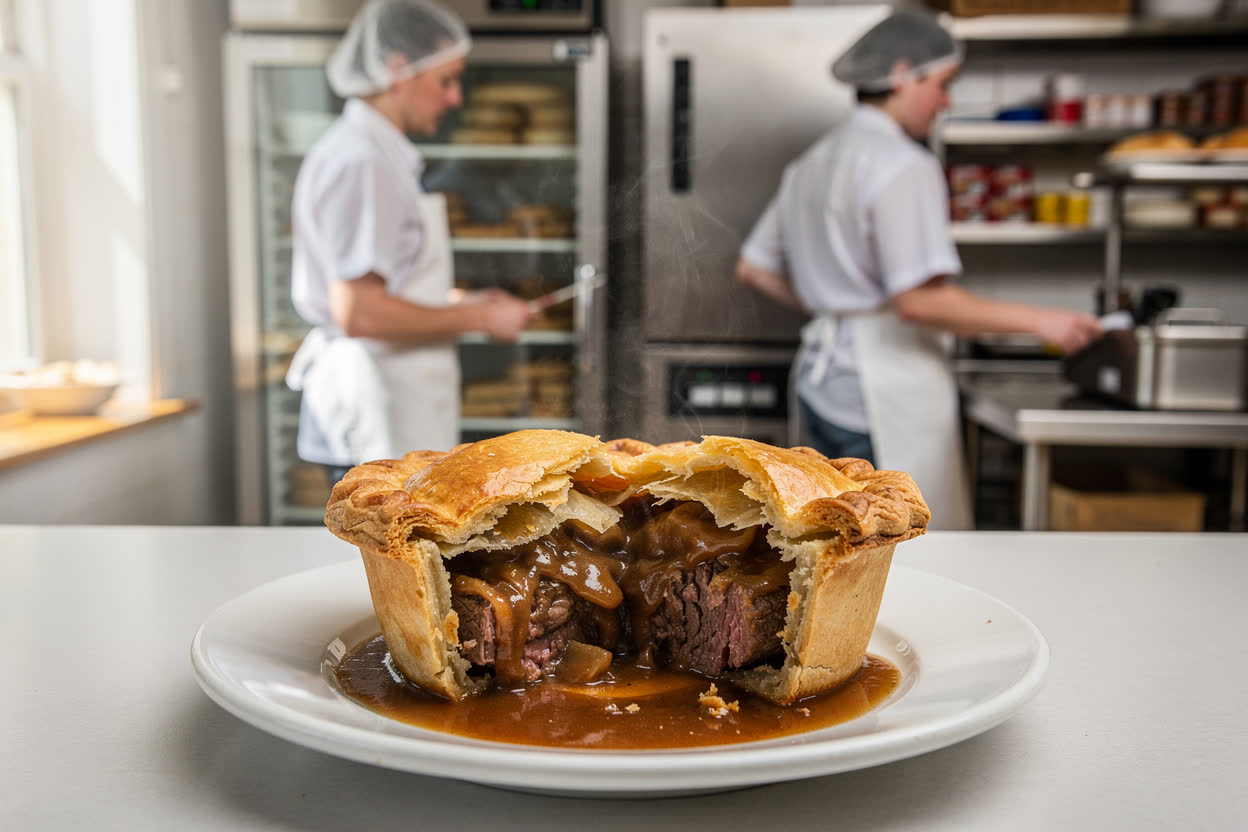
Some allergens are easy to spot, but many are hidden inside other ingredients. For example, a beef pie may not obviously contain milk, but the gravy inside may contain milk powder. Without an ingredients list, customers cannot tell.

Allergens can also be passed easily from one food to another, through shared equipment, surfaces, hands or storage. This is called allergen cross-contamination, and preventing it is essential.

Knowledge Check
Which type of food do pathogenic bacteria grow best in?
Select one answer, then press Check.
Dry foods.
Acidic foods.
Foods high in sugar.
Foods high in protein and moisture.
Correct. Pathogenic bacteria thrive in high-risk foods that are rich in protein and high in moisture.
Not quite. Bacteria struggle to grow in dry, acidic or sugary foods. Try again.
Physical Hazards
Physical Hazards

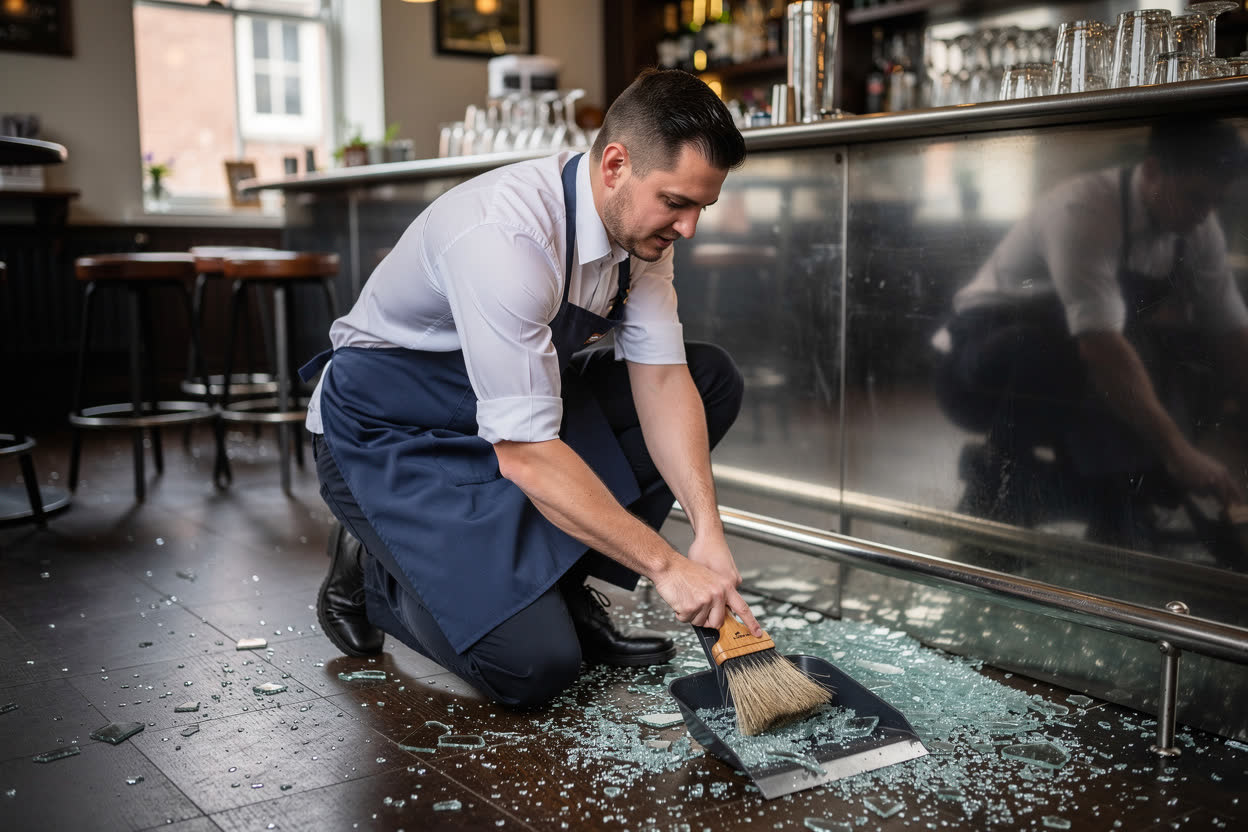
Physical hazards are foreign objects that get into food. They may not cause food poisoning, but they can cause choking, cuts to the mouth or broken teeth, and they are very distressing for customers.

Some come from the food itself, such as fruit stones or bones. Many come from the workplace, such as glass, grit or dust, or from the people working there.

The Six Ps of Physical Contamination

Physical hazards come from six main sources, known as the six Ps:

  • People: hair, nails, jewellery, buttons, plasters and fibres from clothing.
  • Packaging: glass, string, cardboard, plastic, wood splinters, pins and staples.
  • Product: stones, pips, stalks, shells and bones.
  • Pests: bodies, droppings, eggs and feathers.
  • Premises: glass, flaking paint, rust, plaster and dust from the building.
  • Plant, meaning machinery: screws, nuts, bolts and fragments of metal.
Chemical Hazards
Chemical Hazards

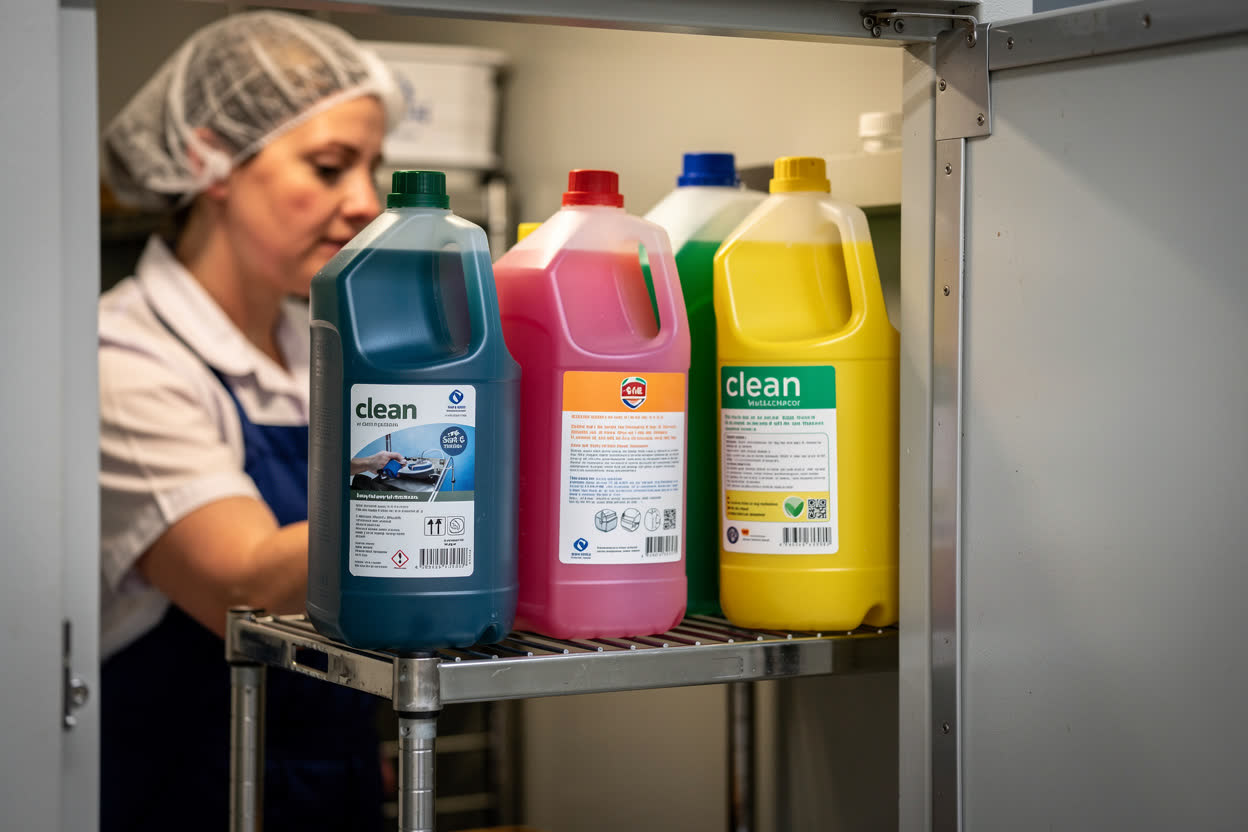
Chemical hazards are harmful substances that get into or onto food. Common sources include:

  • Cleaning chemicals left on worktops and equipment, or sprayed near food.
  • Chemicals stored in food areas, or in unlabelled containers.
  • Chemical residue in delivery vehicles, or in old chemical containers reused for food.
  • Metal from opened cans stored in the fridge.
  • Pesticides, fertilisers and pest control poisons.
  • Grease, oil and lubricants from equipment.

Chemicals can enter food at any stage, from production to sale.

Summary

In this module, you have learned that:

Pathogenic bacteria cause food poisoning and cannot be seen, smelt or tasted, while spoilage bacteria make food rot.

There are 14 named allergens, and even a trace can harm someone with an allergy.

Physical hazards come from the six Ps, and chemical hazards can enter food at any stage.

In the next module, we will look at how these hazards are controlled.

Knowledge Check
Physical hazards come from the six Ps. Which of these is one of them?
Select one answer, then press Check.
Premises.
Protein.
Pepper.
Paracetamol.
Correct. Premises is one of the six Ps, along with people, packaging, product, pests and plant.
Not quite. The six Ps are people, packaging, product, pests, premises and plant. Try again.
Next Module →Answer the question to unlock the next module.
Page 1 of 17