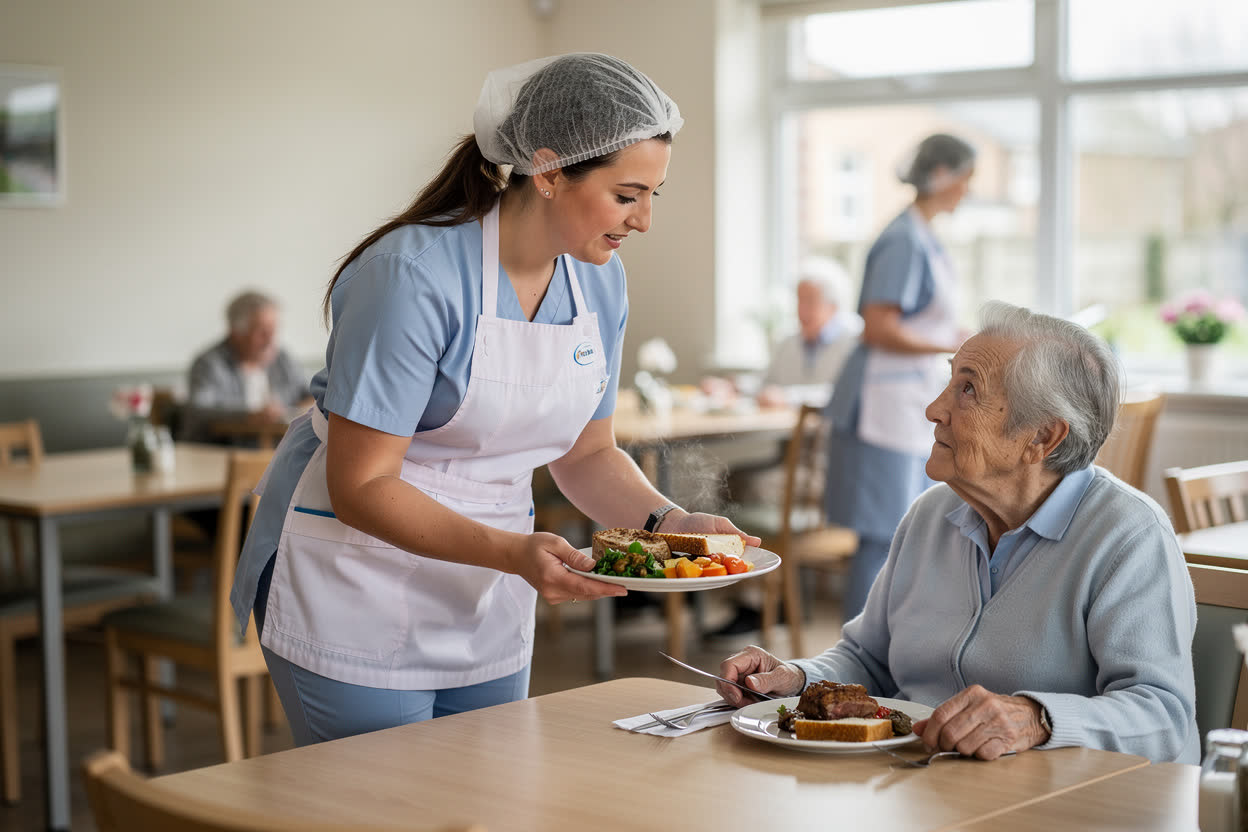
Some customers are far more likely than others to become seriously ill if they eat contaminated food. Babies and young children, older people, pregnant women, and people who are already ill or have a long-term condition such as diabetes all have bodies that are less able to fight off infection. If your organisation handles food for these groups, for example in a school, a hospital or a care home, you must be especially careful.
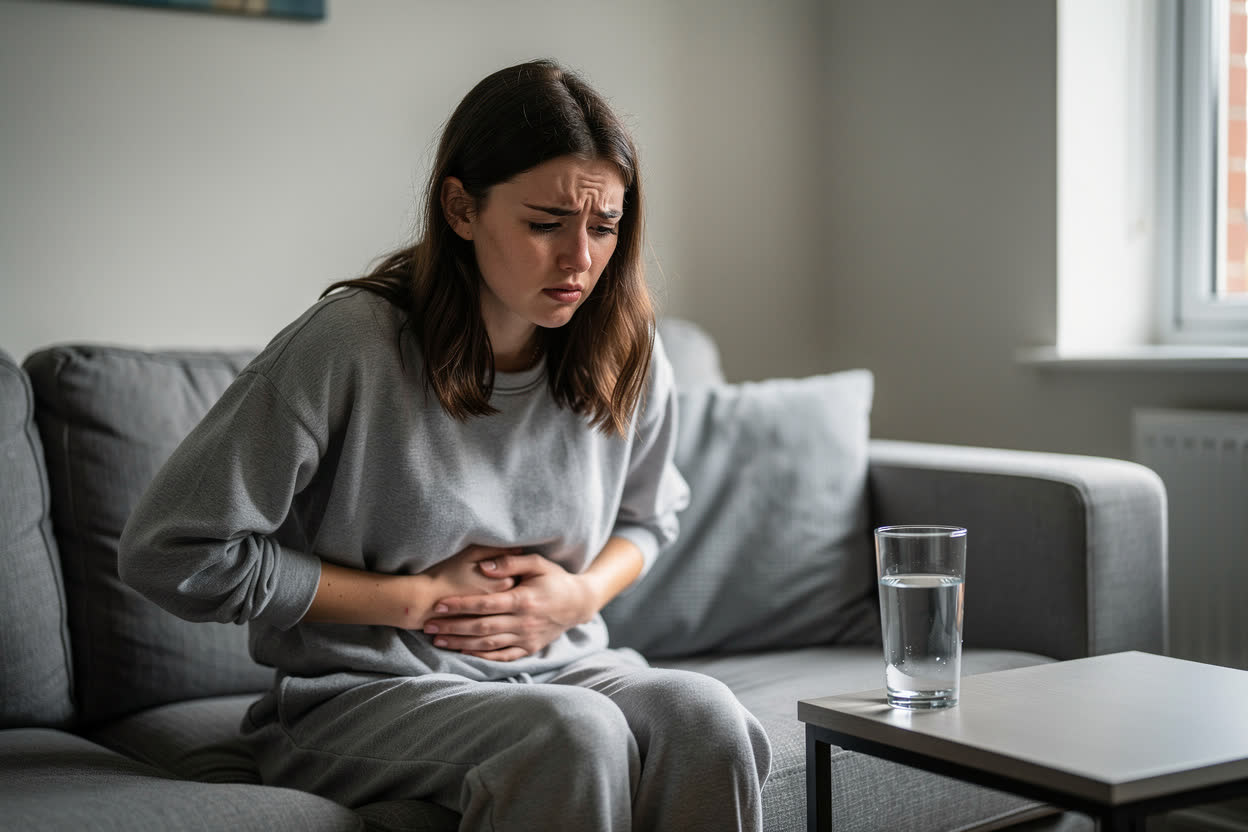
A mild illness for a healthy adult can become a medical emergency for a frail resident or a small child. Dehydration is a good example. It is not caused directly by food poisoning, but by symptoms such as vomiting and diarrhoea, and it can quickly make the illness much worse. In these settings, everyday habits matter even more: washing your hands every time, keeping chilled food cold, checking dates, keeping allergenic foods apart and reporting any illness before your shift. Each of these protects the people least able to protect themselves.