← Exit
Module 8 · Food Premises, Pests and Waste0% complete · 16 slides left
Food Safety in Catering
Module 8
This course contains audio. Use headphones in public places.
Introduction
Introduction

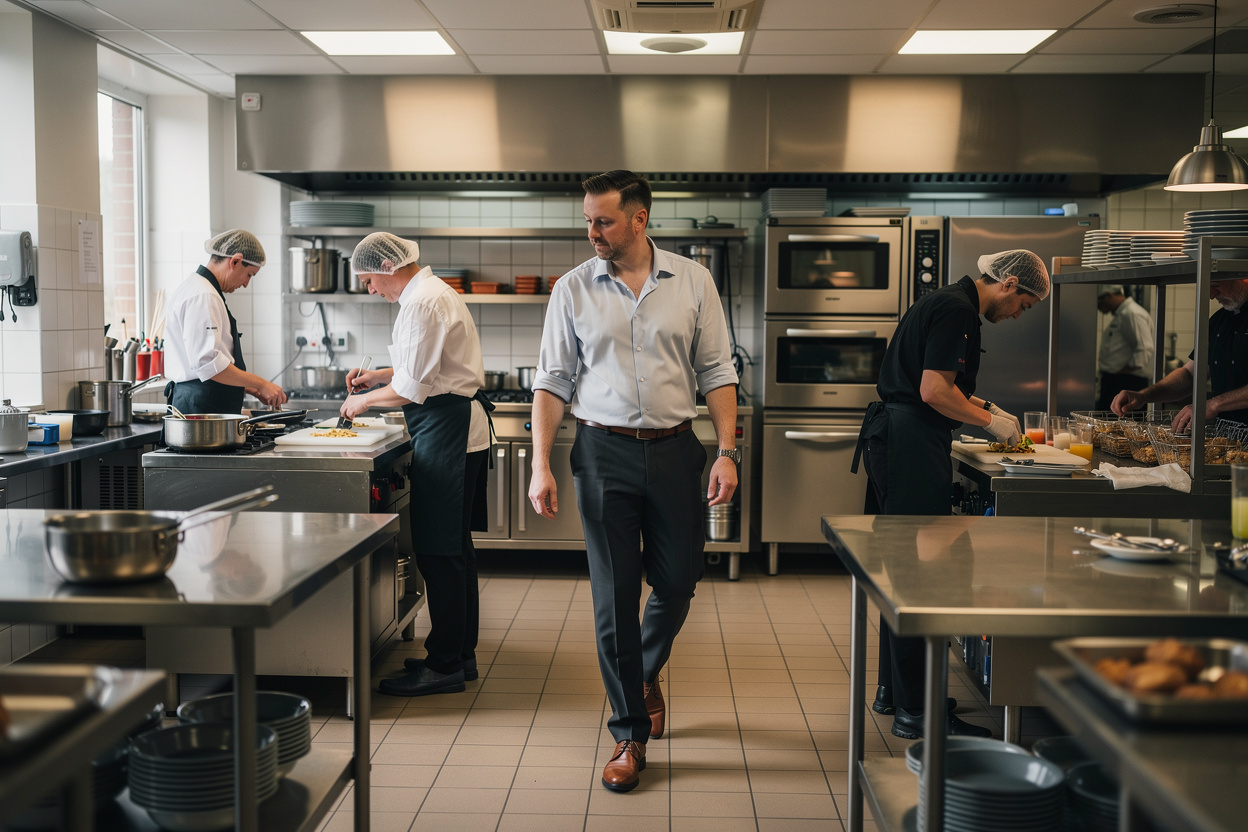
The design of your premises, how you control pests and how you manage waste all have a direct impact on food safety.

This module explains the requirements for food premises, how to identify and control pests, and how to handle waste correctly.

In This Module
In This Module

We will cover how your working environment keeps food safe:

  • Premises design: How the design, layout and suitability of food premises affects food safety.
  • Pests: How to identify common pests and the signs of pest activity.
  • Pest prevention: How to prevent, deter and control pests in a food business.
  • Waste management: The correct practices for storing and removing waste.
Premises Design, Layout & Suitability

Inappropriate design of a food premises can increase the risk of contamination. To prevent contamination, all food premises must:

  • Be able to be kept clean, disinfected and in good condition, including equipment and surrounding areas.
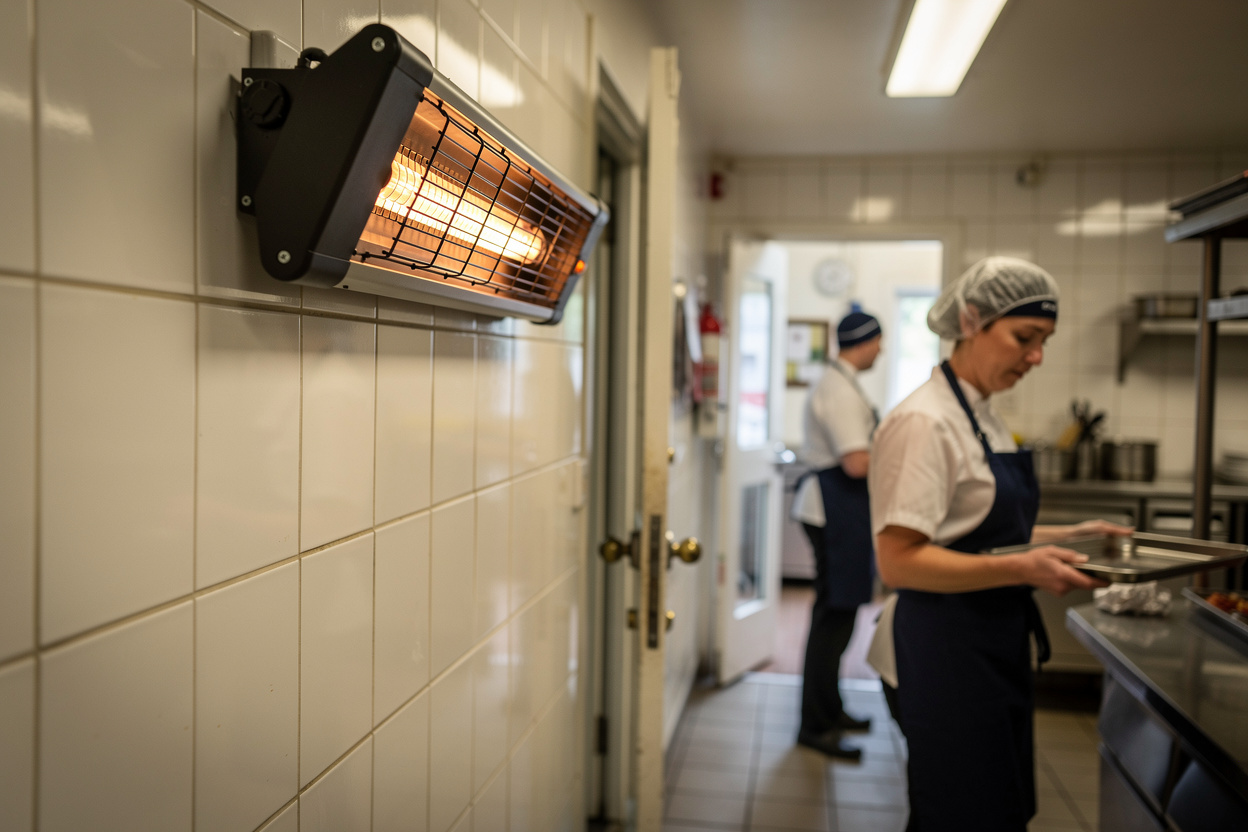
  • Have sufficient lighting, commercial ventilation and drainage.
  • Provide suitable temperature-controlled conditions.
  • Have separate equipment for preparing raw and ready-to-eat food.
Premises Requirements

Premises must also:

  • Have staff facilities separated from food areas by a ventilated space — toilets must not open directly into a food room.
  • Provide facilities for cooking, cooling and adequate refrigeration for peak production.
  • Have a separate area for unpacking products.
  • Ensure all electrical supplies have accessible cut-out switches, with clean hot and cold water including for drinking.

Your workplace must meet these requirements under UK food hygiene law so the food you produce is safe.

Pests
Pests

A pest is any animal or insect that eats, lives in or infects food. They must be controlled because they:

  • Spread diseases and contaminate or damage food.
  • Can cause fires by gnawing through electrical cables.
  • Make premises unpleasant to work in.
  • Mean a food business is breaking the law if it is infested.

Domestic animals, such as pet cats and dogs must also never be allowed in food-handling areas, as they can spread bacteria and contaminate food.

Common Types of Pest

The most common pests in a food business are:

  • Mice & rats: Enter through holes, drains or by burrowing. They cause structural damage, chew packaging, and their urine and droppings spread pathogens.
  • Insects & flies: Cockroaches, ants and silverfish attack food and contaminate it with their bodies, webbing and excreta, transmitting food-poisoning organisms.
  • Birds: Pigeons and starlings transmit food-poisoning organisms and damage packaging by pecking to reach the food inside.
Signs of Pest Activity

It is important to know how to detect the signs of pest activity:

  • Rodents: Bodies (dead or alive), droppings, nests or fur, holes, runs or smear marks, chewed paper, food or packaging, and an unpleasant smell.
  • Insects: Bodies (dead or alive), eggs and egg cases, holes in food, and an unpleasant smell.
  • Birds: Bodies (dead or alive), droppings, feathers, nesting materials, property damage and noise disturbance.
Preventing Pests — Environmental Controls

Pests need security, shelter and food to survive. Environmental controls are the first line of defence:

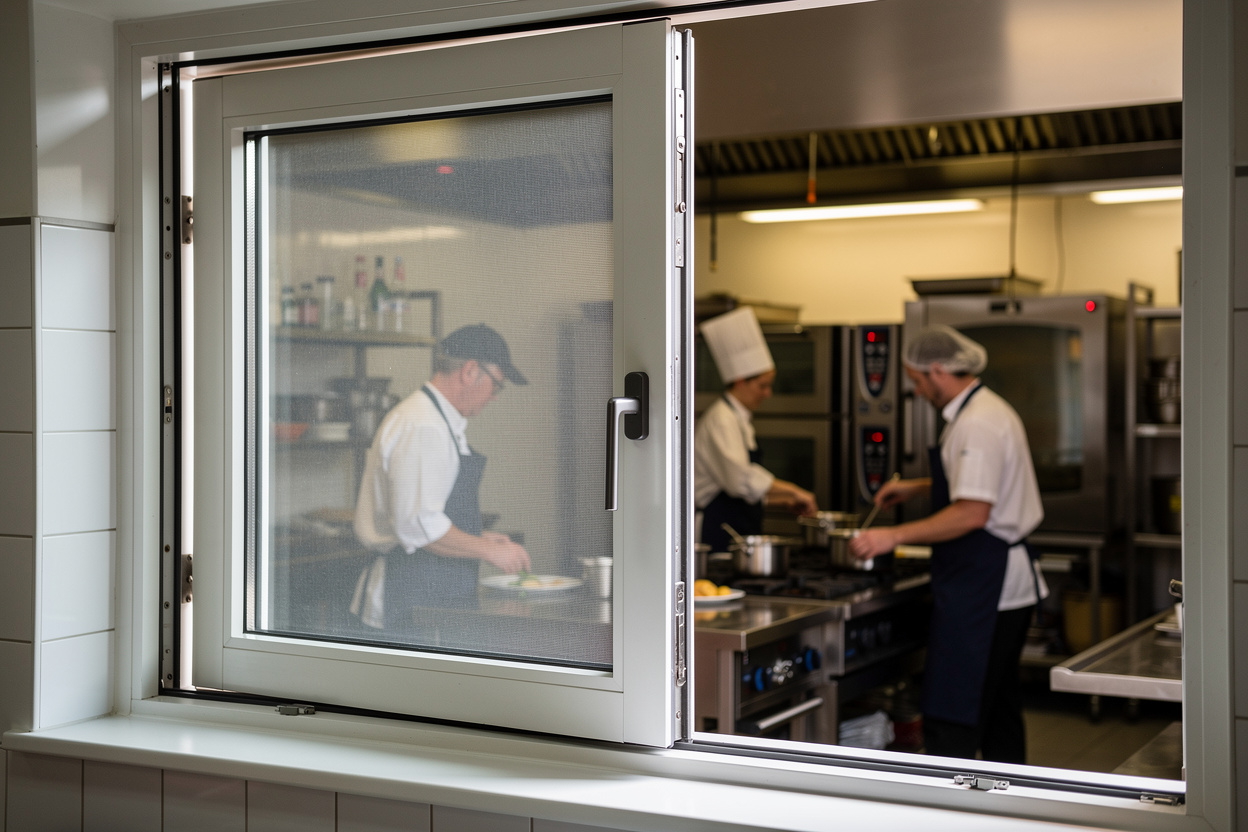
  • Keep doors and windows closed or screened with a fine, cleanable mesh.
  • Cover doorways with hanging plastic strips or air curtains.
  • Protect the bottom of wooden doors with metal plates.
  • Check for access holes regularly and seal any that are found immediately.
Preventing Pests — Good Housekeeping

Good housekeeping stops pests setting up home. You should:

  • Always cover food on display and operate a strict ‘clean as you go’ policy.
  • Store all food off the floor and clear of walls so you can look for signs of pests.
  • Keep premises, rubbish areas and drains clean, and remove outside clutter.
  • Store food in pest-proof containers and keep bins closed.
  • Check deliveries are free from pests and keep doors and windows shut.
Physical & Chemical Controls

Where environmental controls are not enough, physical controls (such as rodent traps) or chemical controls (such as poisons) may be needed.

Rather than trying to eliminate pests yourself, you must report any signs of pests to your manager. If necessary, they will consult a professional pest controller to identify and implement the most appropriate controls.

Over to You
Over to You

Are you confident in knowing what to do if you spot signs of pests?

Think about who you would report to, and how quickly, if you found droppings or a chewed packet in your storeroom.

Waste Management
Waste Management

Storing and disposing of waste correctly keeps premises hygienic and pest-free:

  • Internal waste: Dispose of internal waste in pest-proof, foot-operated bins. Store food waste in sealable, easy-to-clean containers, line bins with disposable sacks, and empty them before they overflow.
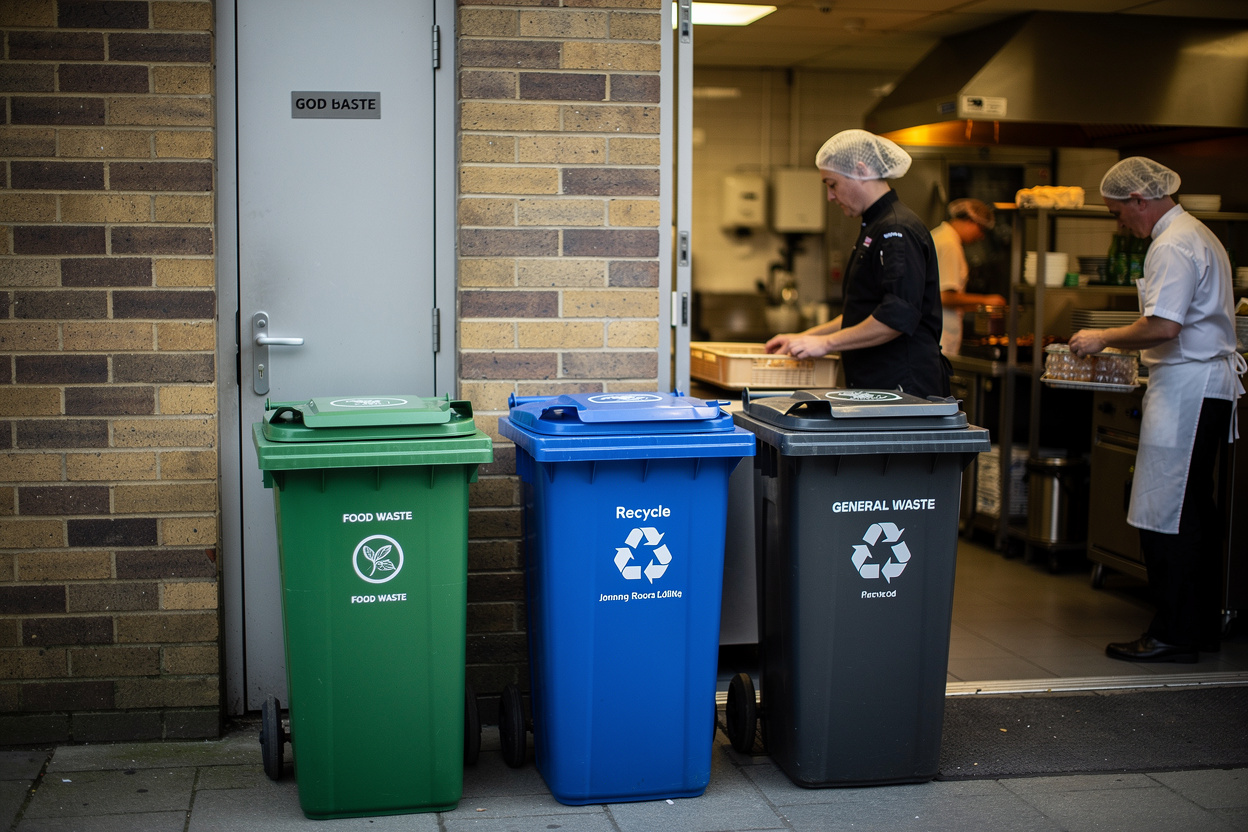
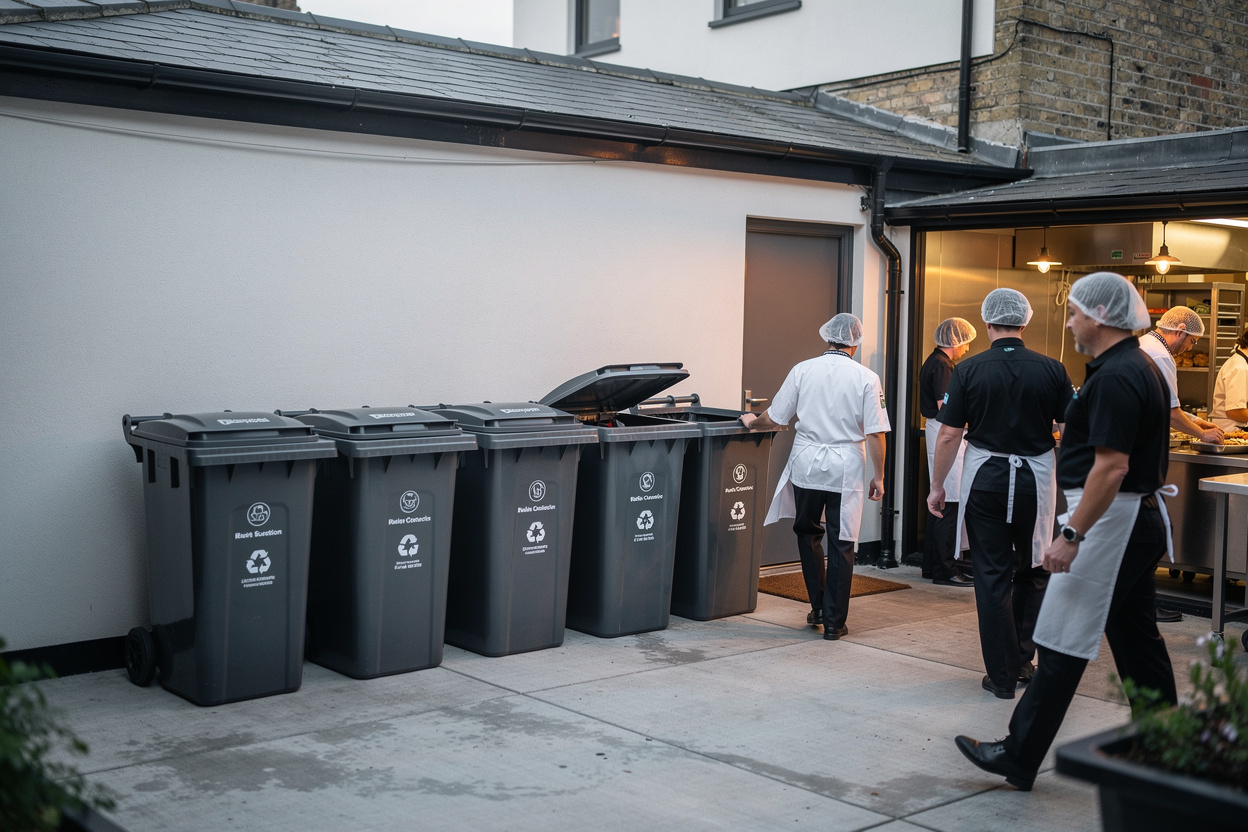
  • External waste: External bins must be waterproof, hard-wearing and fitted with secure lids to deter pests. Empty, wash and disinfect them regularly, and sweep or hose the rubbish area to stop build-up.
Waste Removal & Disposal

All food waste, packaging and other waste must be disposed of in a hygienic and environmentally conscious way.

  • From 31 March 2025, all workplaces in England with ten or more full-time equivalent employees must have separate collections for dry recycling, food waste and residual waste.
  • These rules apply to micro-firms existing when the 2025 regulations commenced (fewer than ten full-time equivalent employees at that time) from 31 March 2027. Similar rules apply in Scotland, Wales and Northern Ireland.
  • Waste cooking oil must be stored so it cannot spill and taken by an authorised collector to an authorised site.
  • Never pour waste oil down the drain.

Always follow the instructions and training your workplace provides for waste disposal.

Premises, Pests & Waste Summary

To keep your working environment safe you should:

  • Keep premises well-designed, clean and in good repair.
  • Know the common pests and the signs of their activity.
  • Prevent pests with environmental controls and good housekeeping.
  • Report any signs of pests to your manager.
  • Store and remove waste hygienically and segregate it correctly.
Summary

In this module, you have learned that:

Food premises must be designed and maintained so they can be kept clean and prevent contamination.

Pests spread disease and damage food — know the signs and report any activity to your manager.

Store and remove waste hygienically, keep bins pest-proof and segregate waste correctly.

In the next module, we will build on these foundations.

Knowledge Check
What should you do if you spot signs of pests in your food premises?
Select one answer, then press Check.
Try to eliminate the pests yourself using shop-bought poison
Ignore it unless a customer complains
Report it to your manager, who will consult a pest controller if needed
Only report it if you see more than one pest
Correct — you must report any signs of pests to your manager, who will arrange professional pest control if needed. You can now continue.
Next Module →Answer the question to unlock the next module.
Page 1 of 17