Introduction
Food safety is not just good practice — it is the law. Everyone who handles food has legal responsibilities to keep it safe.
This module explains the key legislation, how food safety is enforced, and what happens when the law is broken.


Food safety is not just good practice — it is the law. Everyone who handles food has legal responsibilities to keep it safe.
This module explains the key legislation, how food safety is enforced, and what happens when the law is broken.

We will cover the legal framework for food safety:
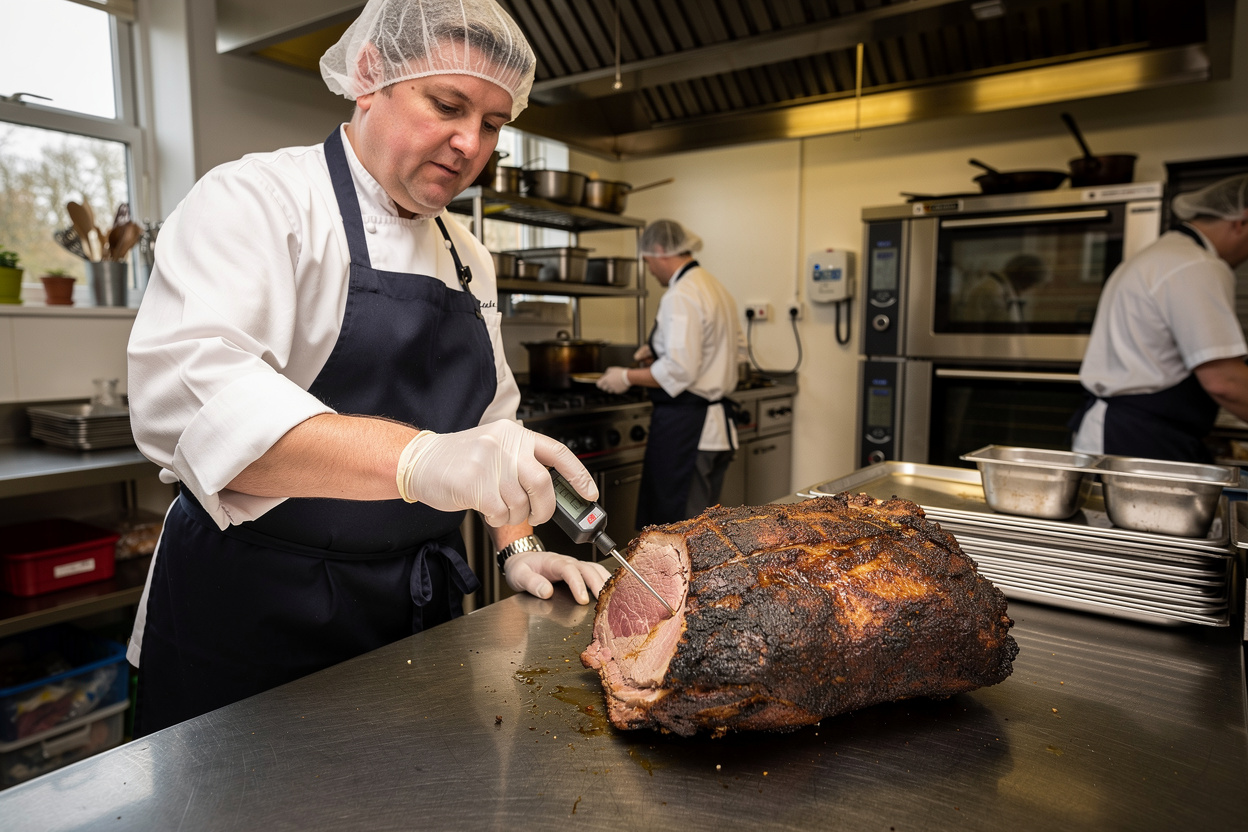
Food safety law exists to protect consumers from harm and to make sure the food sold to them is safe and honestly described.
As a food handler, you share responsibility for meeting these legal duties. Breaking food law can lead to prosecution, closure and serious harm to customers.

The main laws governing food safety in the UK are:
Since 1 January 2024, retained EU food law is called assimilated law in Great Britain. EU food law generally applies in Northern Ireland, subject to Windsor Framework arrangements for eligible GB retail goods.

The Food Safety Act 1990 is the cornerstone of UK food law. Under it, food businesses must not:

As a food handler, the law requires you to:
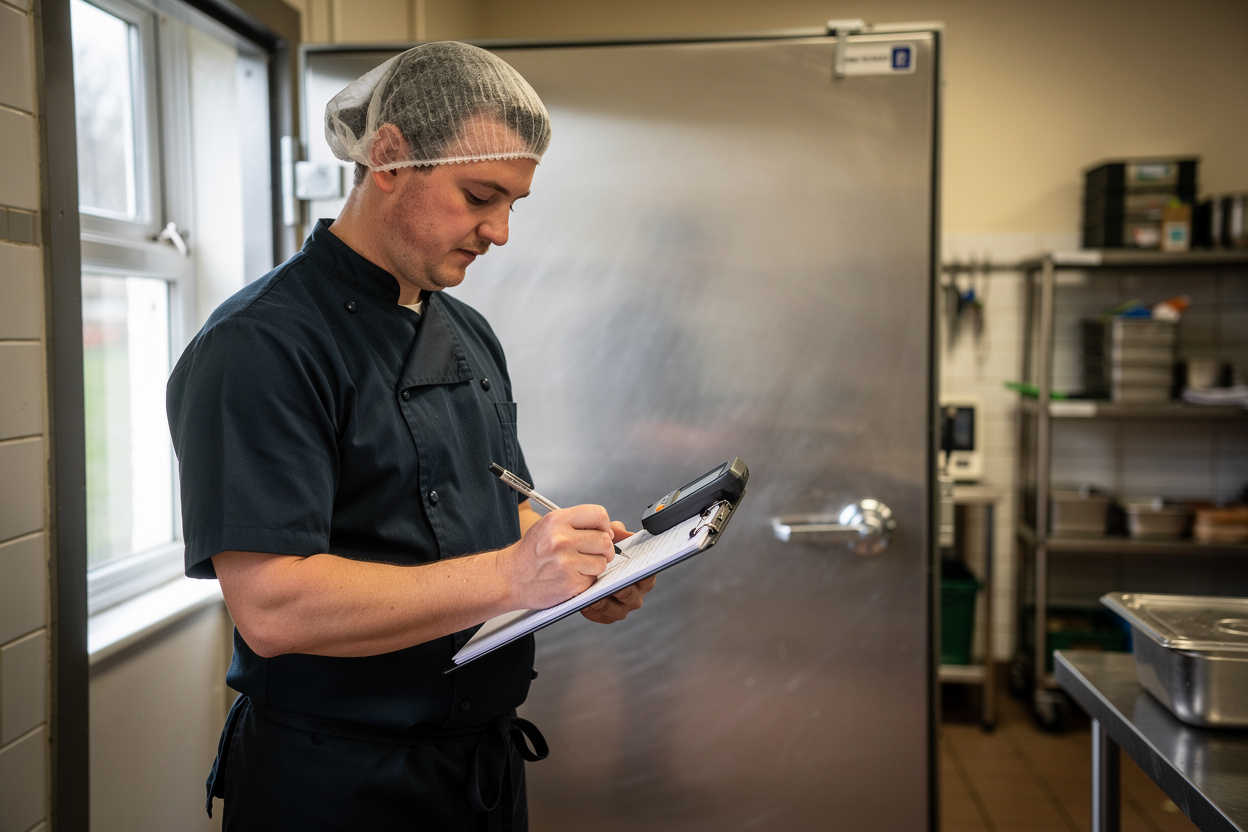
The law requires food businesses to have a food-safety management system based on HACCP (Hazard Analysis and Critical Control Points).
HACCP is a system for identifying food-safety hazards and putting controls in place to prevent them. In the UK this is often applied through ‘Safer Food, Better Business’ packs.

HACCP is built on seven core principles:

HACCP relies on prerequisite programmes being in place first — the everyday good-practice controls that keep food safe. These include:

The Food Standards Agency (FSA) (and Food Standards Scotland) oversee food safety, but the law is enforced locally by Environmental Health Officers (EHOs) from your local authority.
EHOs can enter and inspect food premises at any reasonable time, take samples and photographs, and inspect records. You must cooperate with them.

After an inspection, businesses in England, Wales and Northern Ireland are given a Food Hygiene Rating from 0 (urgent improvement needed) to 5 (very good).
In Scotland, the Food Hygiene Information Scheme awards either ‘pass’ or ‘improvement required’. Ratings reflect hygiene standards, structural condition and food-safety management.

If standards are not met, an EHO can issue:

Breaking food safety law is a criminal offence. Depending on the seriousness, penalties can include unlimited fines and, in the most serious cases, up to two years’ imprisonment.
A business can also be closed down, and individuals as well as companies can be prosecuted.

If a business is charged with a food-safety offence, it may use the due diligence defence — showing it took all reasonable precautions and exercised all due diligence to avoid committing the offence.
Good records, training and following procedures are essential evidence for this defence, which is why documentation matters.

Do you know where your workplace’s food-safety management records are kept, and your role in keeping them accurate?
Accurate records are not just paperwork — they can be the difference in a due-diligence defence.

In summary, you should remember that:
In this module, you have learned that:
In Great Britain, the Food Safety Act 1990 and assimilated Regulation (EC) 852/2004 form part of the food safety framework. In Northern Ireland, the Food Safety (Northern Ireland) Order 1991 and EU food law generally apply, subject to Windsor Framework arrangements for eligible GB retail goods.
Businesses must have a HACCP-based food-safety management system, built on its seven principles and prerequisites.
Environmental Health Officers enforce the law; penalties include unlimited fines, closure and imprisonment.
In the next module, we will build on these foundations.