← Exit
Module 2 · Fire Safety Responsibilities0% complete · 18 slides left
Fire Safety for Schools
Module 2
This course contains audio. Use headphones in public places.
Introduction
Introduction

Everyone in a school has a part to play in reducing fire risk and making sure people can escape safely. But the level of responsibility depends on each person’s role.

This module explains the fire safety duties of different people in your school. It also explains fire risk assessments, which the responsible person must make sure are carried out, and which you may be asked to contribute to.

Finally, you will learn who enforces fire safety law. Understanding everyone’s role helps you to work together and keep fire safety strong across the school.

In This Module
In This Module

This module looks at who does what in your school. You will learn about:

  • The responsible person.
  • Fire wardens.
  • Fire risk assessments.
  • Your duties as a member of staff.
  • Who enforces fire safety law.
The Responsible Person

Under the Fire Safety Order, the responsible person is accountable for fire safety in the school. This is normally the employer: the local authority, the governing body, the academy trust or the proprietor, depending on the type of school.

They may give some tasks to senior staff, such as the headteacher, and to trained fire wardens, but they keep the overall legal responsibility.

The responsible person must appoint competent people to help them, and must make sure that fire safety measures are in place, maintained and effective at all times.

What the Responsible Person Must Do

In particular, the responsible person must:

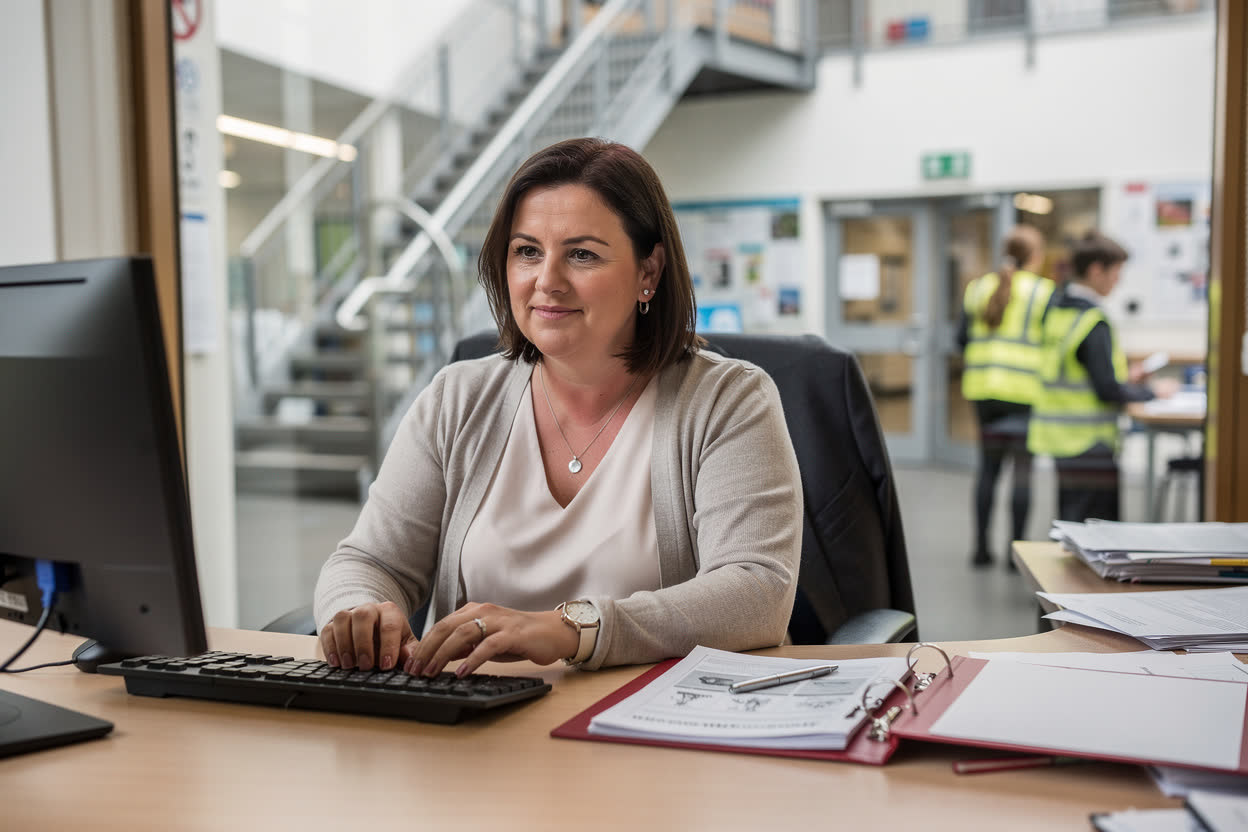
  • Make sure a fire risk assessment is carried out, kept up to date and recorded in writing.
  • Provide suitable fire alarms, escape routes and fire fighting equipment, and make sure they are checked and maintained.
  • Prepare an emergency plan and organise evacuation arrangements, including a roll call.
  • Give all staff fire safety information, instruction and training, and access to the fire safety policy and evacuation plan.
  • Make sure staff, pupils and their representatives understand the risks and the precautions in place.
  • Appoint and train fire wardens, and hold regular fire drills.
Fire Wardens
Fire Wardens

The responsible person must appoint people to help put fire safety procedures into practice. These members of staff are called fire wardens, or fire marshals.

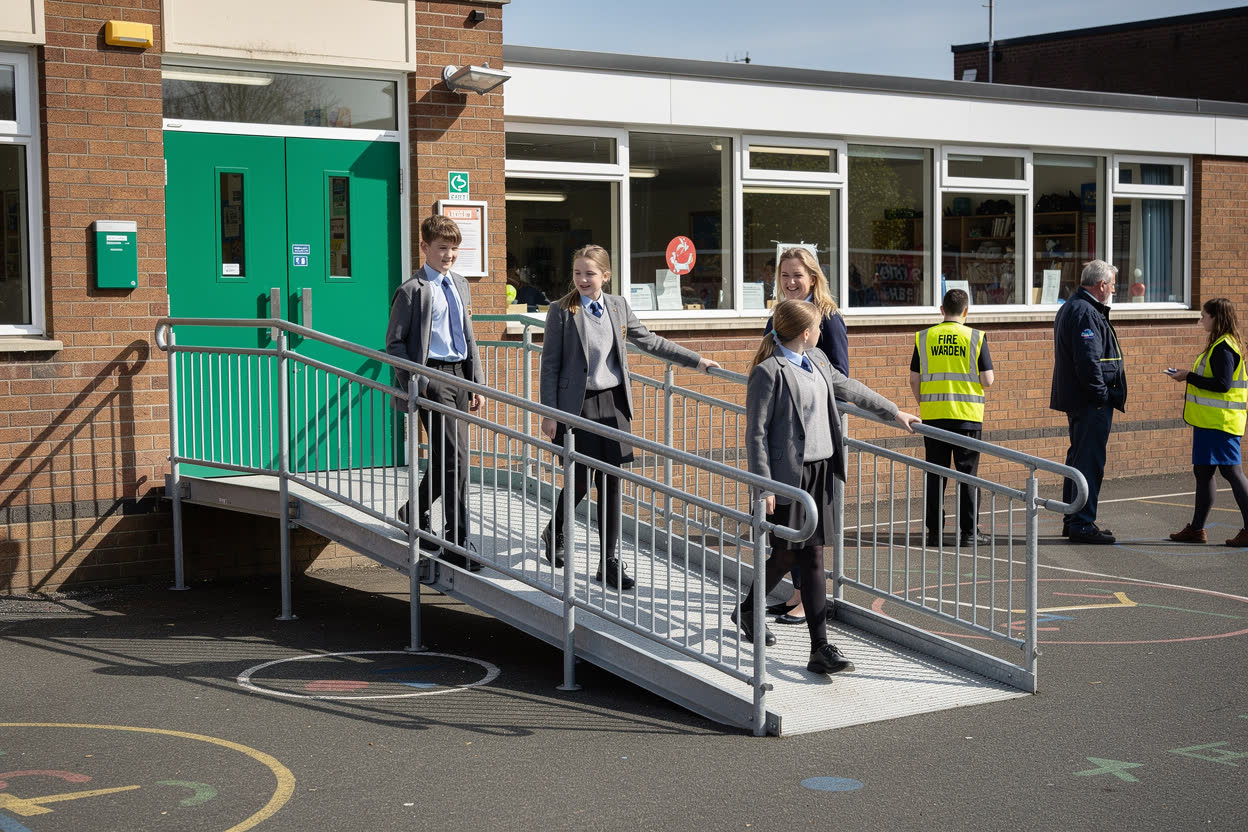
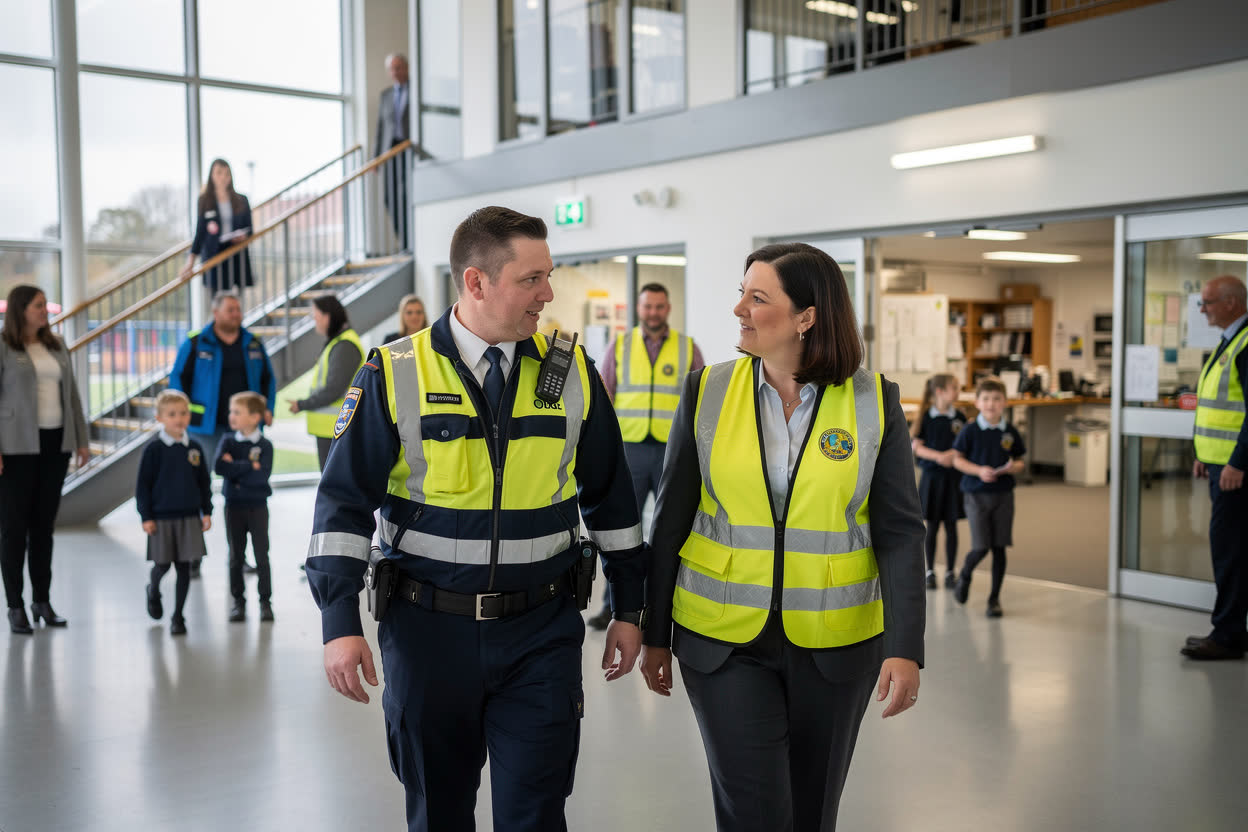
Fire wardens keep an eye on fire safety day to day, promote safe practice, and act quickly in a fire. That may mean leading the evacuation of their area or, where they are trained and it is safe, tackling a small fire.

They also need to understand how people behave in an emergency, and how to respond.

How Fire Wardens Help

Fire wardens also help the responsible person to:

  • Prepare and update the school’s emergency and evacuation plan.
  • Make sure fire safety equipment is in place, easy to reach and well maintained.
  • Check fire safety standards regularly, and report problems.
  • Run fire drills, and help with fire risk assessments.
  • Switch off hazardous equipment during a fire, where it is safe to do so.

Make sure you know who the fire wardens are in your part of the school.

Fire Risk Assessments

One of the most important duties of the responsible person is to make sure a fire risk assessment is carried out, often with help from fire wardens or a specialist fire risk assessor.

Its purpose is to identify the fire hazards in the school, and to decide whether the precautions already in place are enough, or whether more needs to be done.

Schools are busy places, and new hazards appear all the time. The assessment must be reviewed regularly, and whenever there is a significant change to the building, its use, the activities or the people in it.

Step 1: Identify the Hazards

The first step of a fire risk assessment is to identify the hazards. The person carrying it out will:

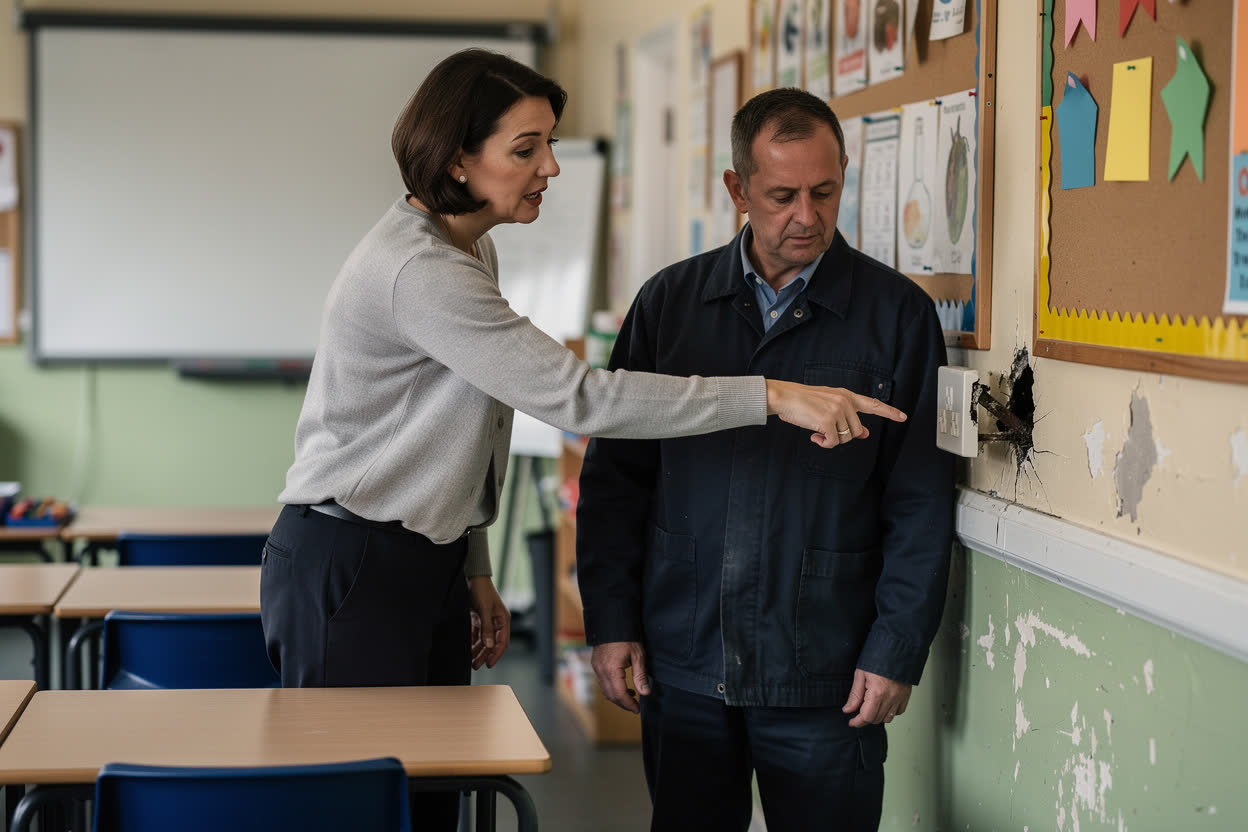
  • Walk around the building, looking for fire risks.
  • Talk to staff about any hazards or concerns they have noticed.
  • Read manufacturers’ instructions and safety data sheets.
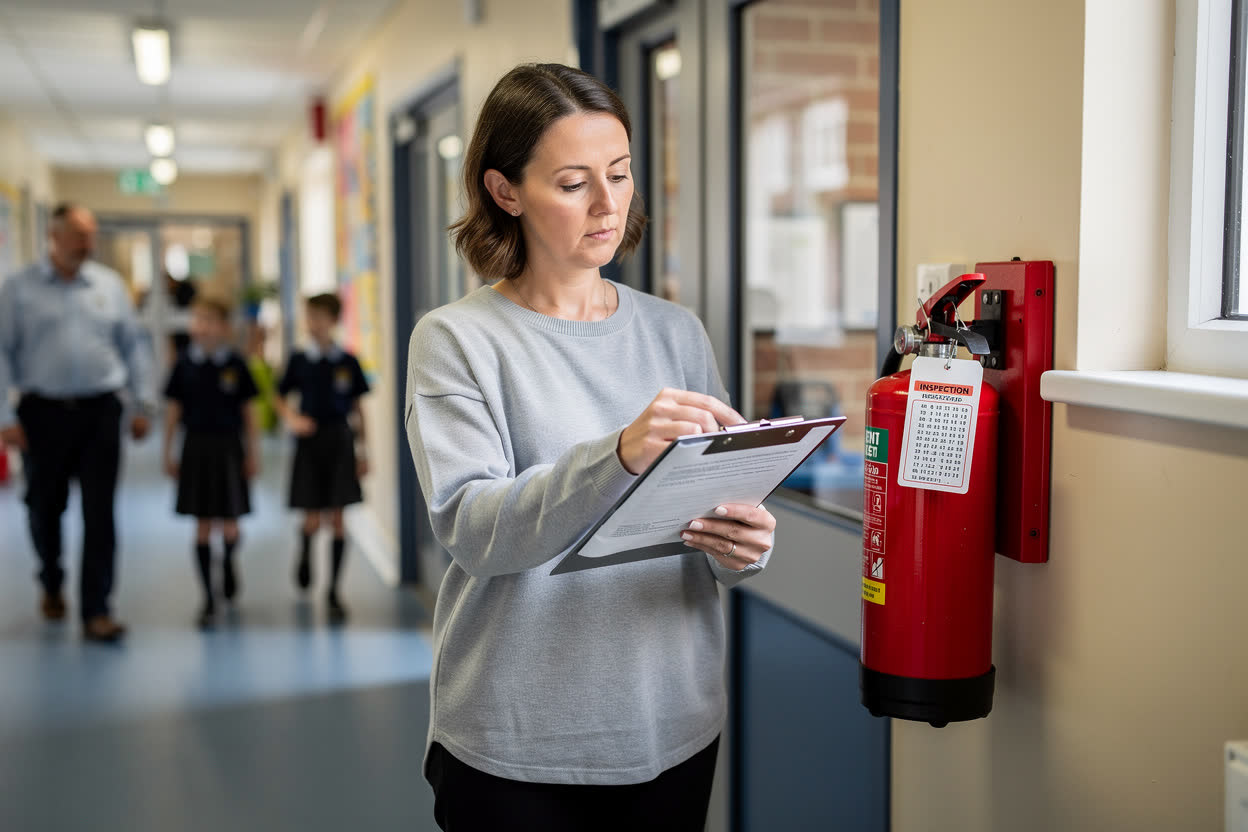
  • Check fire safety equipment, such as manual call points and extinguishers.
  • Look at records of accidents, incidents and false alarms.

If you are asked for your views, share anything you have noticed. You know your own area best.

Who Is at Greater Risk?

Next, the assessment identifies the people who would be at greater risk in a fire, so that extra measures can be put in place. They may include:

  • Staff or pupils working near ignition sources, or working alone.
  • Pupils in areas without supervision.
  • Staff and pupils with disabilities.
  • Pregnant staff and nursing mothers.
  • Pupils and staff whose first language is not English or Welsh.
  • Young, part-time or new staff.
  • Visitors and contractors who do not know the building.

The assessment must consider everyone who works in, attends or visits the school.

People Who Need Extra Help

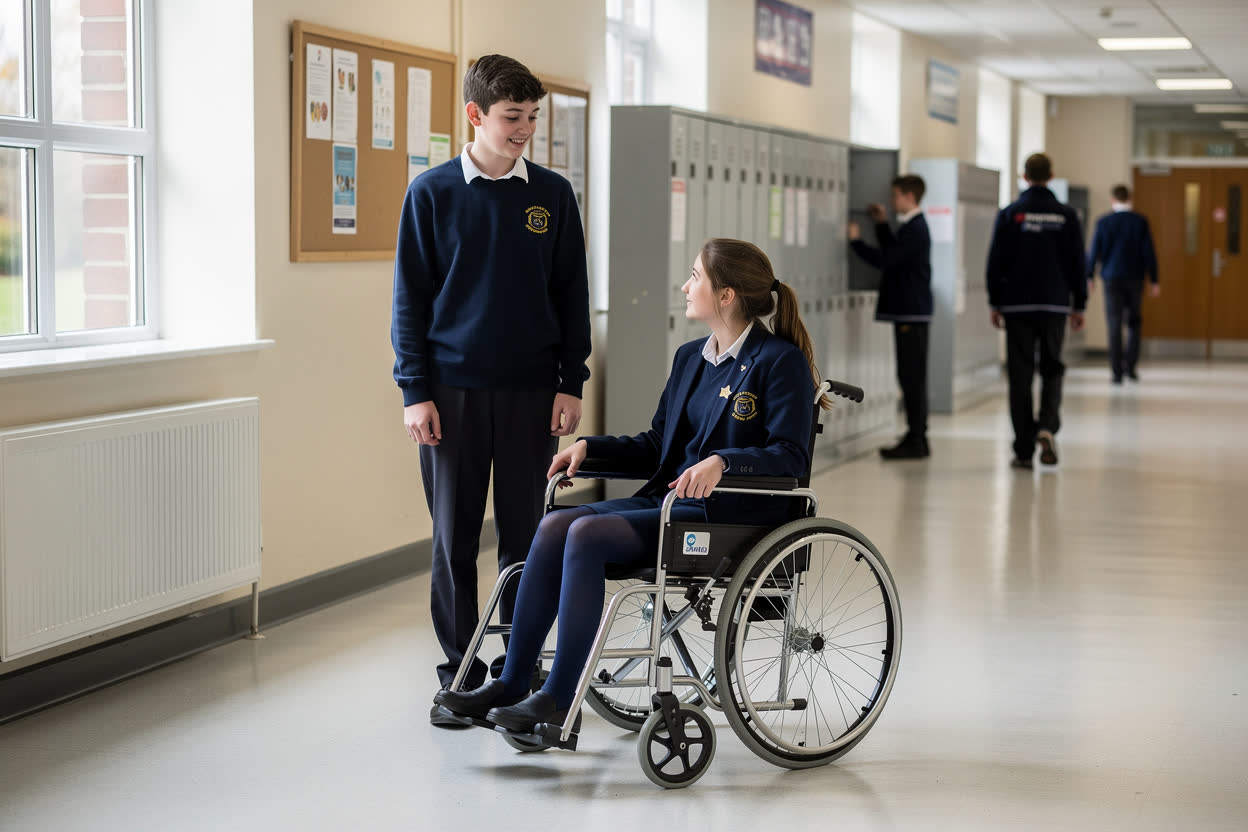
The fire risk assessment also identifies people who may need extra help to escape. For example, someone with limited mobility may struggle with stairs, and someone who is deaf or hard of hearing may not hear the alarm.

Arrangements must be made so that they can escape safely with everyone else. These may include ramps on escape routes, or visual alarms for people who cannot hear the sounders.

You will learn more about personal emergency evacuation plans in the final module.

Evaluate, Record and Review

After identifying the hazards and the people at risk, the responsible person must:

  • Evaluate the risks, and decide on controls. For example, a classroom may need better storage for flammable materials.
  • Record the findings. In England and Wales, the whole fire risk assessment must be recorded, whatever the size of the school. In practice, every school should keep a full written record.
  • Review and update the assessment. Changes, such as new pupils, new staff or building work, can bring new hazards or make existing measures inadequate.
Your Duties as a Member of Staff

The responsible person and the fire wardens hold the main duties, but every employee also has legal duties, under the Health and Safety at Work etc. Act 1974 and Article 23 of the Fire Safety Order. You must:

  • Take care of your own safety and that of others, and never do anything that could put people at risk.
  • Never interfere with or misuse fire safety equipment or arrangements.
  • Follow fire safety instructions and training, and cooperate with your employer.
  • Report any fire risks or faults you notice.

You will also be involved in evacuations, and may need to support pupils or vulnerable people.

What You Need to Know

Make sure you know:

  • Your school’s fire safety policy, emergency plan and evacuation arrangements.
  • How to raise the alarm, and what the alarm sounds like.
  • Your escape routes and the assembly point, and how to guide pupils out.
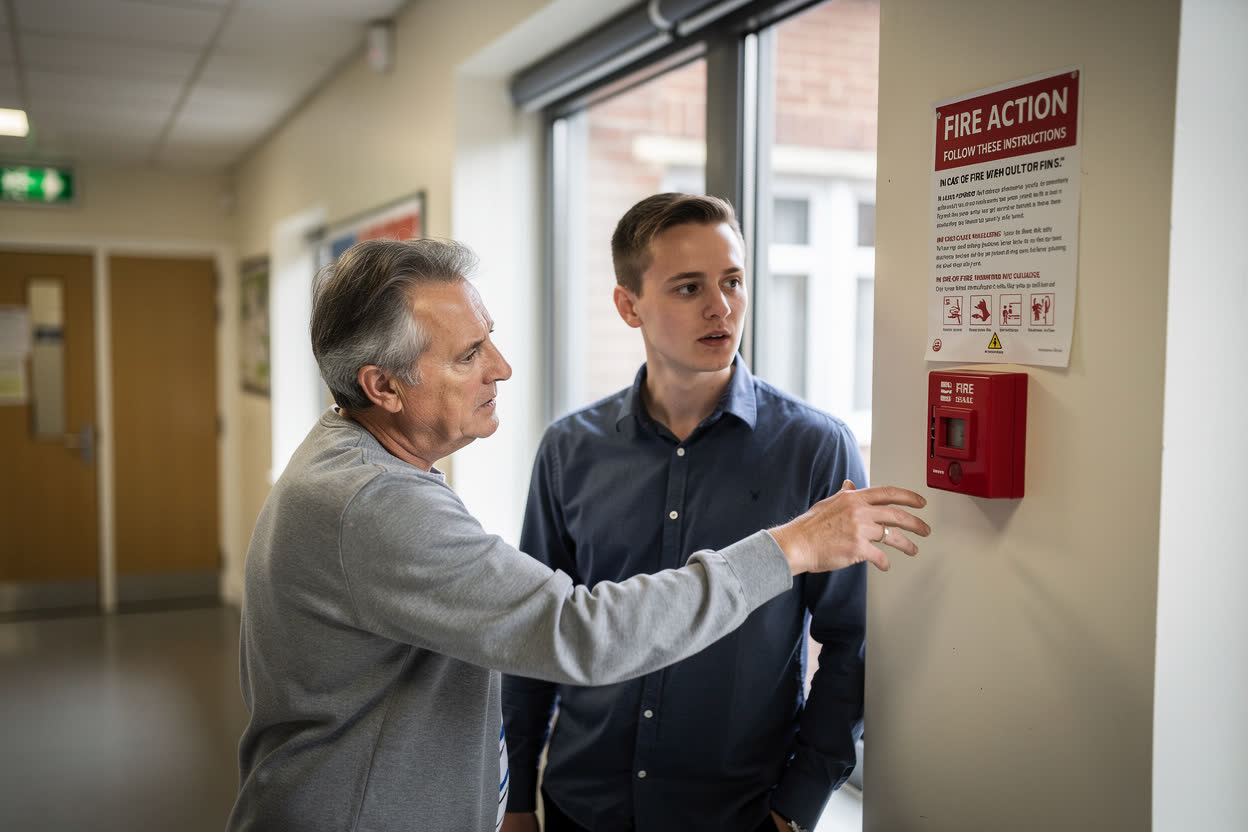
  • The instructions on the fire action notices, and where fire safety equipment is kept.
  • Who the responsible person and the fire wardens are, so that you can report problems to them.
  • How to use electrical and gas appliances safely, and how to store and dispose of flammable materials.
  • Your school’s rules on smoking.

If fire safety arrangements change, you will need refresher training.

Who Enforces Fire Safety?

In most premises, including schools, the Fire Safety Order is enforced by the local fire and rescue authority.

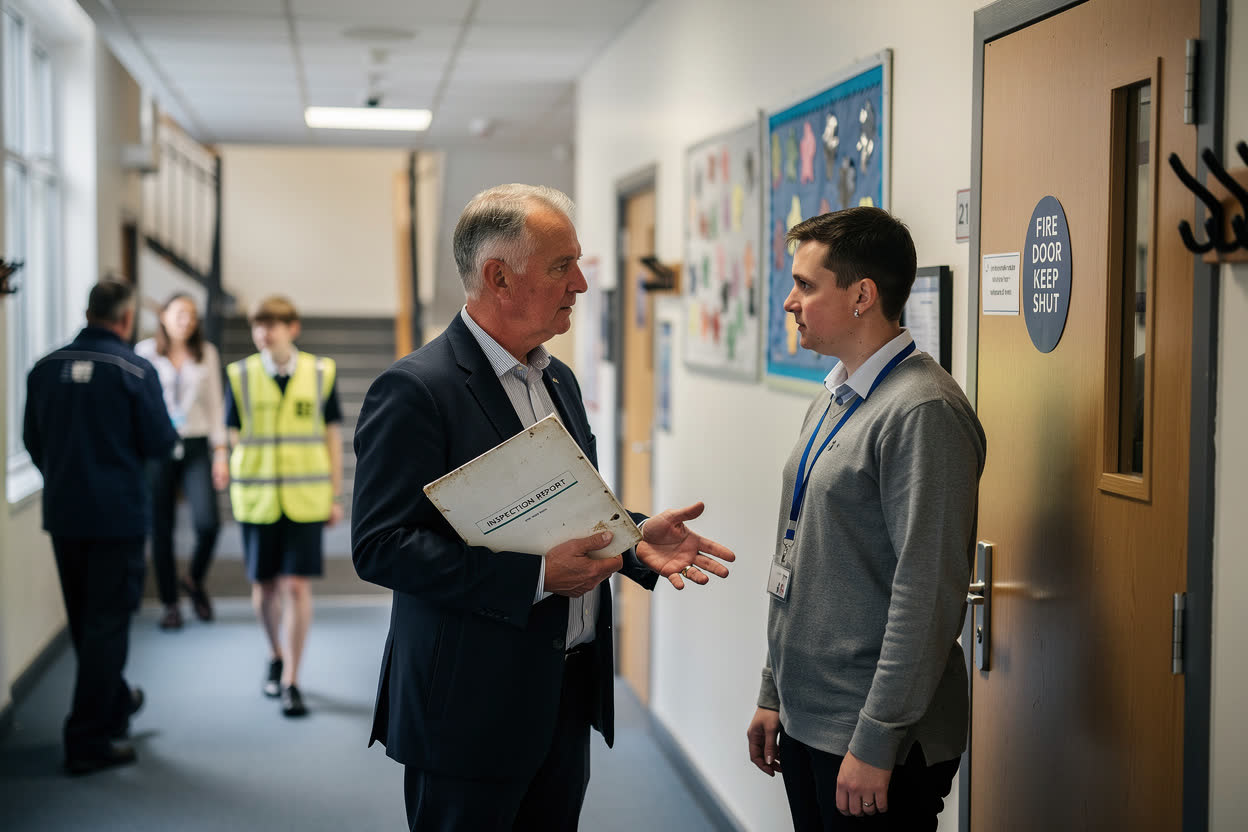
Fire safety inspectors can visit your school to check whether its fire prevention measures and evacuation procedures meet the law. They can also give advice, explain what the law expects, and run fire safety education sessions.

If they find that fire safety arrangements are not good enough, they can take formal enforcement action.

Enforcement Notices
Enforcement Notices

Fire and rescue authorities can issue three types of notice:

  • An alterations notice, where the premises pose a high fire risk, or would do if changes were made. The school must tell the authority before making certain changes.
  • An enforcement notice, where the school has failed to deal with serious fire risks. It sets out what must be put right, and the deadline for doing so.
  • A prohibition notice, where the risk is so serious that the use of all or part of the building must be stopped or restricted immediately.
Penalties
Penalties

Failing to comply with the Fire Safety Order is a criminal offence, and both organisations and individuals can be prosecuted.

Penalties can be severe. Fines are unlimited, and the most serious offences can lead to up to two years in prison.

Following your school’s fire safety measures helps to avoid these consequences, and above all keeps people safe.

Summary

In this module, you have learned that:

The responsible person is accountable for fire safety in your school, supported by trained fire wardens.

A fire risk assessment identifies the fire hazards, and decides whether enough precautions are in place.

Every member of staff must follow fire safety instructions, never interfere with fire safety measures, and report problems.

In the next module, we will look at the fire safety measures your school must have, and what you can do every day to support them.

Knowledge Check
What is the first step of a fire risk assessment?
Select one answer, then press Check.
Carry out a fire drill
Identify the hazards
Review and update the assessment
Decide who may be harmed
Correct. The first step is to identify the fire hazards: the sources of ignition, fuel and oxygen.
Not quite. Deciding who may be harmed comes next, and reviewing comes at the end. Try again.
Next Module →Answer the question to unlock the next module.
Page 1 of 19