← Exit
Module 3 · Fire Prevention Measures0% complete · 15 slides left
Fire Risk Assessment
Module 3
This course contains audio. Use headphones in public places.
Introduction
Introduction

Preventing a fire is always better than fighting one. The most effective fire safety measures are the ones that stop a fire from ever starting.

Most workplace fires are caused by a small number of avoidable problems: electrical faults, careless storage of combustible materials, hot work, and arson, often fuelled by piles of waste.

This module covers the practical measures that prevent fires: managing waste, understanding hazardous substances, safe storage and layout, equipment maintenance, controlling smoking and building work, and training.
In This Module
In This Module

You will learn about:

  • Waste management.
  • Safety data sheets and hazard labels.
  • General fire prevention, and safe storage.
  • Layout and construction.
  • Equipment, machinery and the duties of suppliers.
  • Smoking, building work and training.
Waste Management
Waste Management

Accumulated waste is one of the most common causes of serious workplace fires. It is a ready source of fuel, and piles of waste outside a building are a frequent target for arson.

  • Keep combustible waste, such as paper, cardboard, packaging, wood and plastics, to a minimum.
  • Remove waste from work areas regularly, rather than letting it build up.
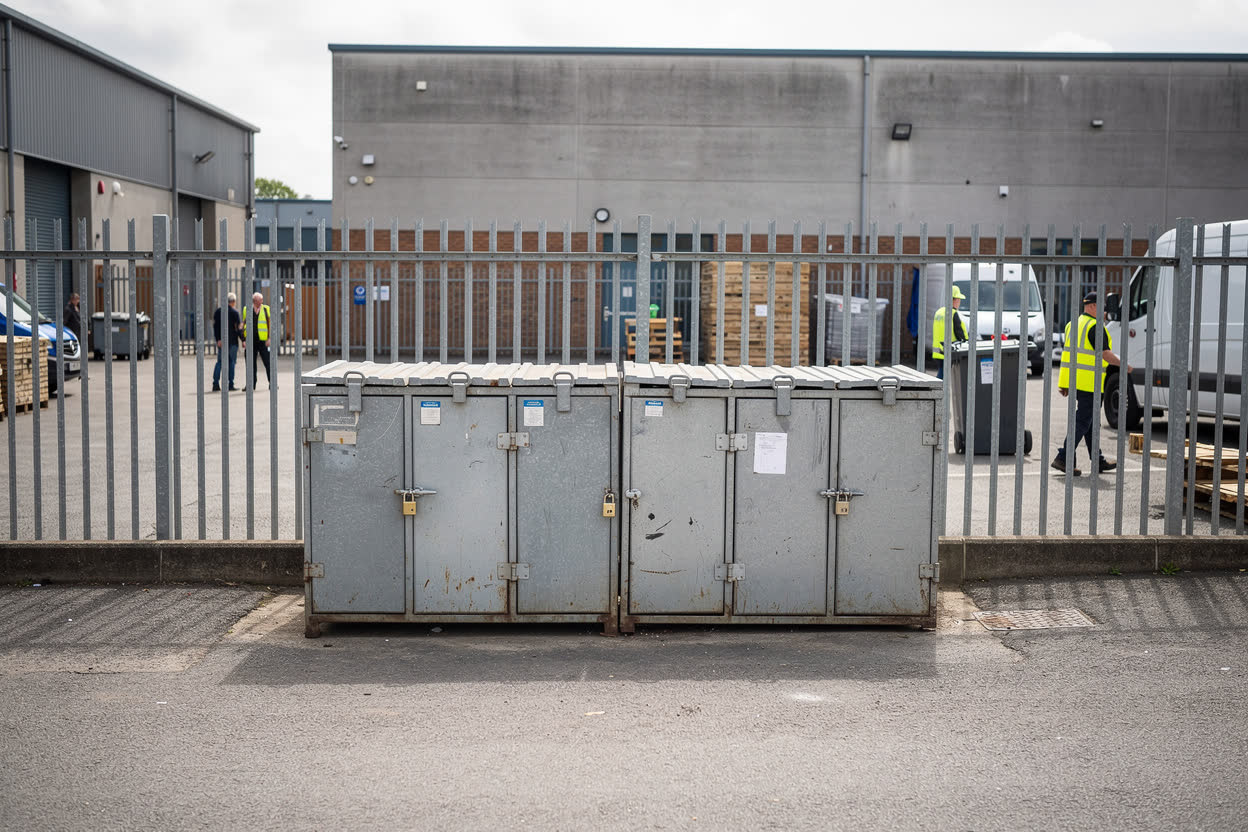
  • Store waste in secure, lidded metal containers, well away from the building and from ignition sources.
  • Never let waste collect in escape routes, corridors, stairwells or plant rooms.
  • Lock external bins and skips, or position them so they cannot be pushed against the building.
Safety Data Sheets
Safety Data Sheets

If you store or use hazardous substances, such as flammable liquids, gases, aerosols and some chemicals, the supplier must give you a safety data sheet for each one.

A safety data sheet has 16 standard sections, and several are directly relevant to fire safety. Section 2 lists the hazards, including whether the substance is flammable. Section 5 covers fire fighting measures, Section 7 covers safe handling and storage, and Section 10 covers stability and reactivity.

Use it to decide how to store a substance, how much it is safe to keep, and what to tell the fire service.

Hazard Labels
Hazard Labels

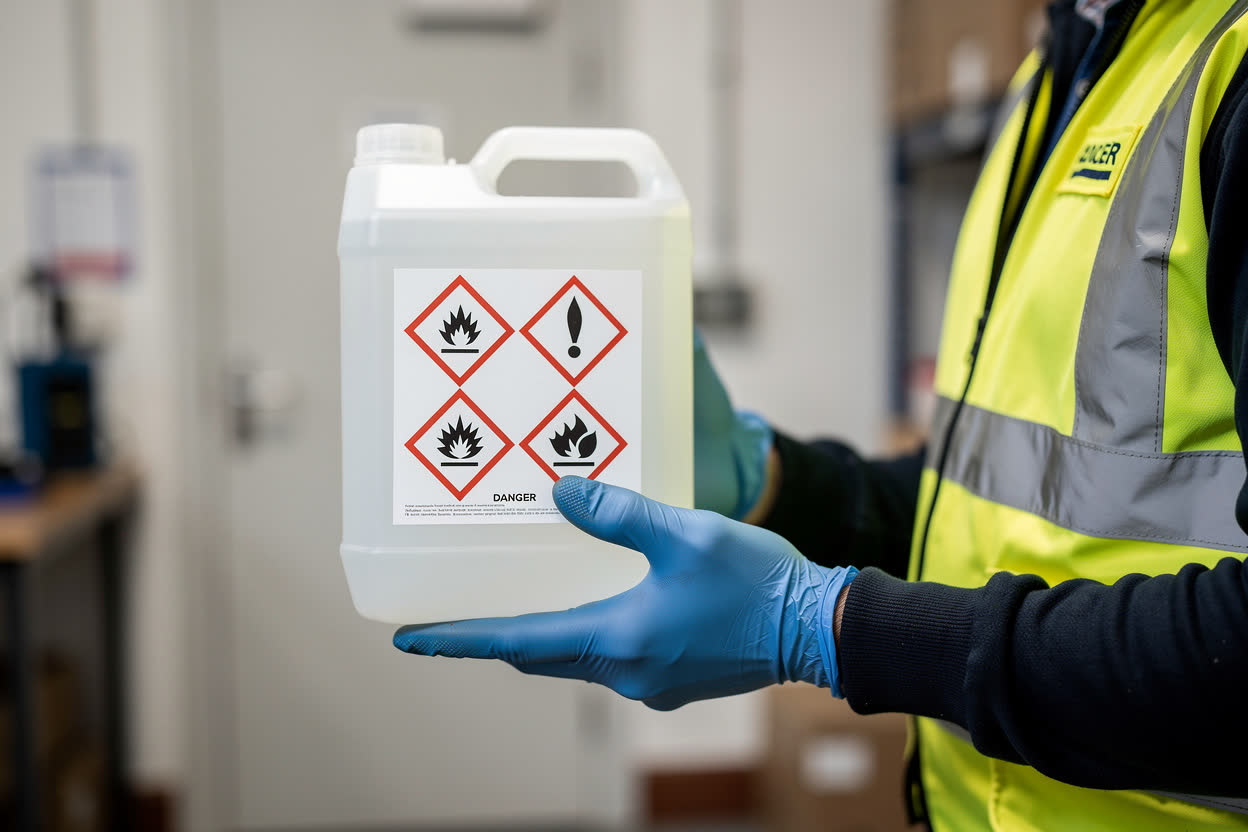
Hazardous substances must be packaged and labelled under the GB Classification, Labelling and Packaging Regulation, known as GB CLP.

Labels include red-bordered diamond pictograms, a signal word, and hazard and precautionary statements. The pictograms most relevant to fire are:

  • A flame: flammable liquids, gases, aerosols and solids.
  • A flame over a circle: oxidising substances, which can intensify a fire by providing oxygen.
  • A gas cylinder: gases under pressure, which can explode if heated.
  • An exploding bomb: explosive or self-reactive substances.

Always read the label, and keep substances in their original, correctly labelled containers.

General Fire Prevention Measures

Most fires can be prevented by keeping ignition sources apart from fuel, and keeping the workplace safe and tidy. Key measures include:

  • Good housekeeping: keep combustible materials tidy and to a minimum, and clean up spills of flammable liquids immediately.
  • Electrical safety: maintain installations and equipment, avoid overloading sockets, and have portable equipment inspected and tested.
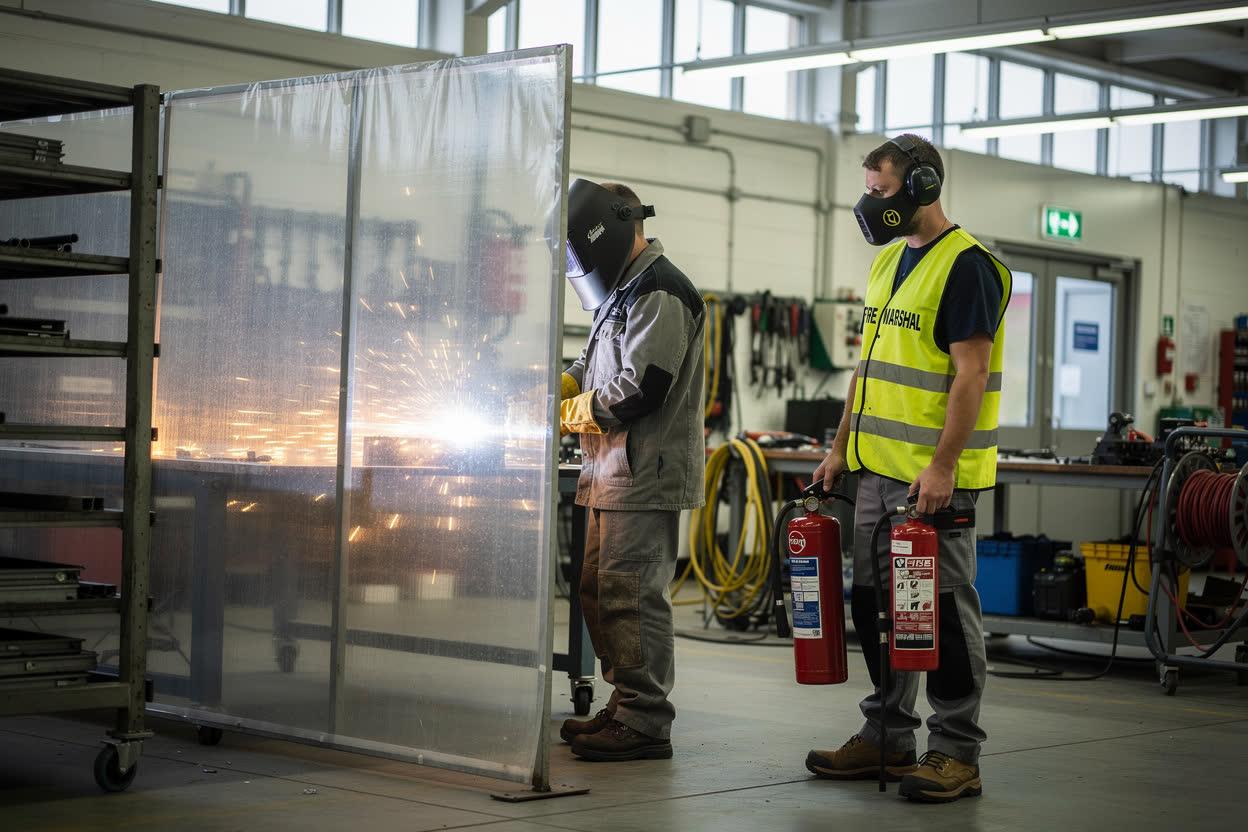
  • Hot work control: use a permit to work for any work involving naked flames, grinding or welding, with a fire watch during and after the work.
  • Heaters: keep them away from combustible materials, guard them, and switch them off when not in use.
Storing Flammable Materials

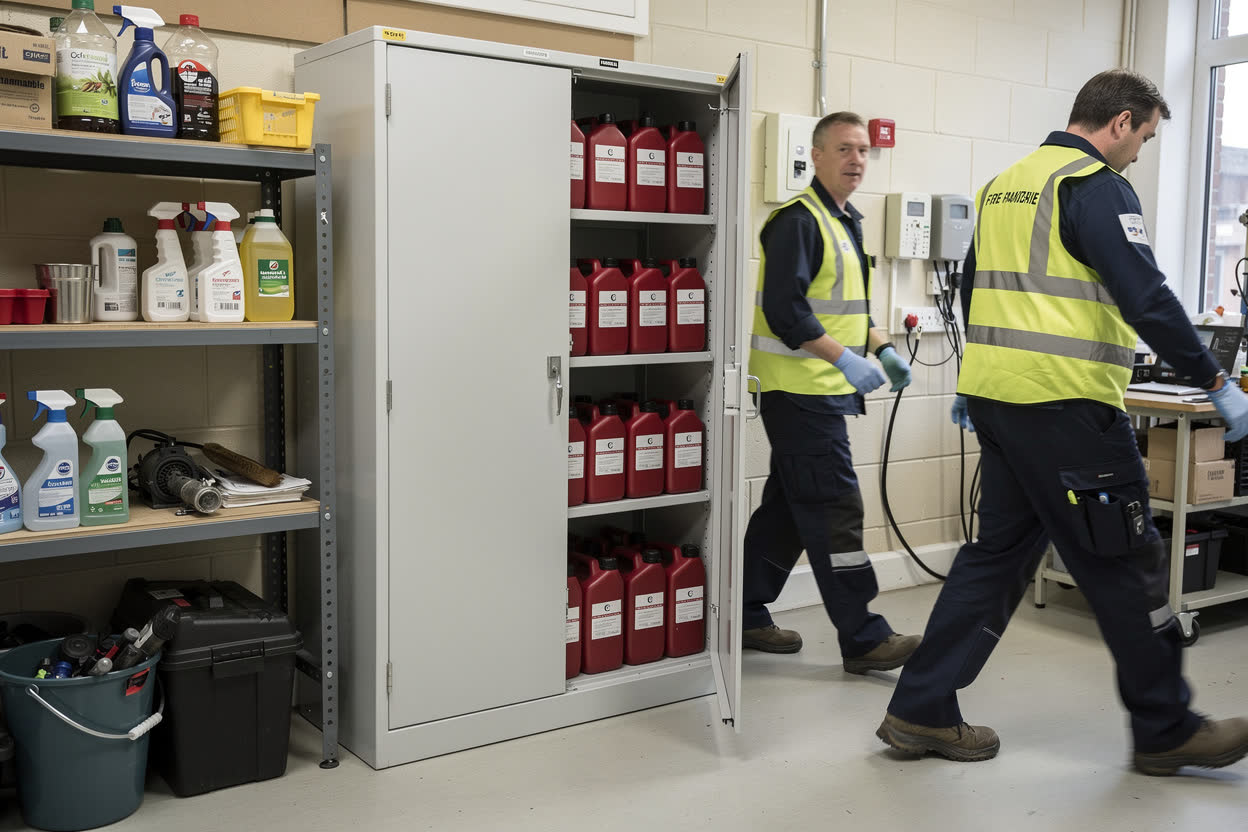
Keep only the minimum quantity of flammable liquids and gases needed for the work in hand. Store the rest in a dedicated, fire-resisting store or outside compound, away from the main building and from ignition sources.

Use proper containers and flammable liquid cabinets, keep lids closed, and provide spill containment. Keep incompatible substances apart, such as oxidisers and flammable materials.

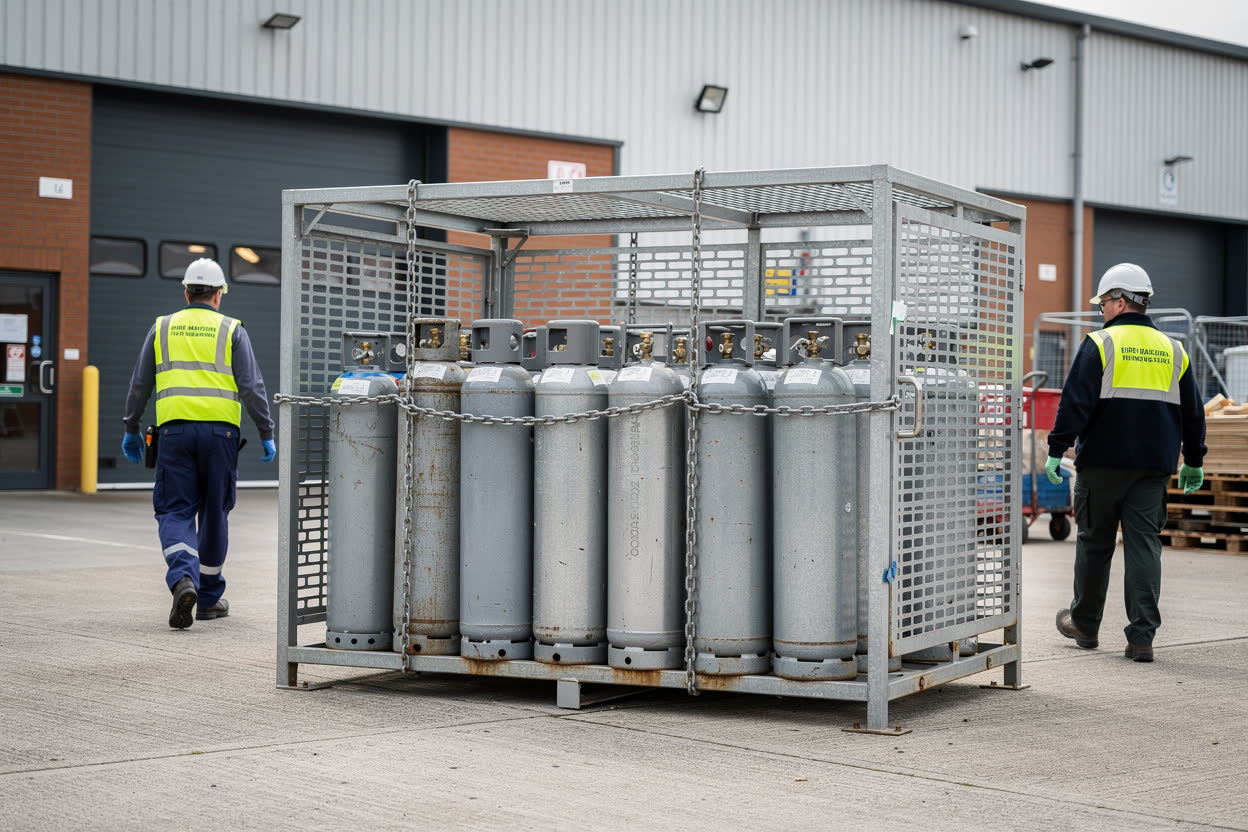
Store gas cylinders upright and secured, in a well-ventilated area away from heat and escape routes. Make sure storage areas are clearly signed, so that everyone, including the fire service, knows what is kept there.

Layout and Construction

The design and layout of a building can slow the spread of fire and protect escape routes. The standards are set by the Building Regulations, and in England by Approved Document B.

  • Compartmentation divides a building into fire-resisting compartments, limiting how far and how fast fire and smoke can spread.
  • Fire-resisting walls, floors and doors hold back fire for a set period, such as 30 or 60 minutes.
  • Protected escape routes are corridors and stairs enclosed in fire-resisting construction.
  • Wall and ceiling linings must not encourage rapid flame spread.

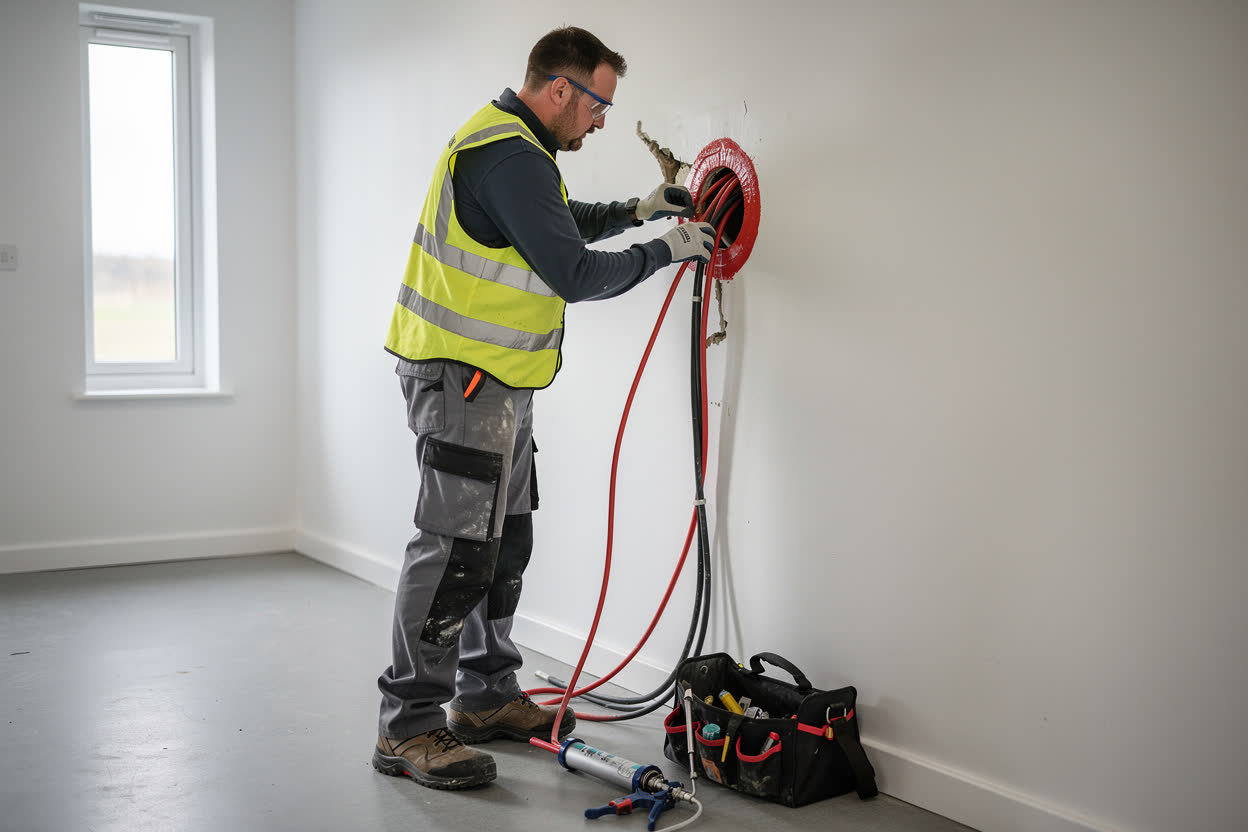
Any alteration must keep these features. A hole cut through a fire-resisting wall for cables, for example, must be properly fire-stopped.

Equipment and Machinery

Electrical and mechanical equipment is a leading cause of workplace fires. Faulty, overloaded or poorly maintained equipment can overheat and ignite.

Make sure equipment is suitable for its purpose, installed correctly and maintained to the manufacturer’s instructions. Users should check portable electrical equipment visually, and it should be inspected and tested at suitable intervals.

Watch for warning signs, such as scorch marks, hot casings, flickering, unusual smells or circuit breakers that keep tripping. Take faulty equipment out of use and report it. Switch off and unplug equipment that is not in use, unless it must stay on.

Duties of Suppliers
Duties of Suppliers

Fire prevention begins with the people who make and supply equipment. In Great Britain, manufacturers, importers and distributors of electrical equipment have duties under the Electrical Equipment (Safety) Regulations 2016.

  • Manufacturers must design and build safe equipment, carry out the required checks, apply the UKCA or CE marking, and provide safety information and instructions.
  • Importers must only place safe, compliant equipment on the market, and check that the manufacturer has met their duties.
  • Distributors must act with due care, and must not supply equipment they have reason to believe is unsafe.

When buying equipment, choose properly marked products with clear instructions, and follow them.

Smoking
Smoking

Smoking materials remain a significant cause of fires. By law, enclosed workplaces must be smoke-free, but smoking outside the building must also be managed.

  • Provide a designated smoking area well away from the building, from stored materials and from ignition risks, and make sure people know where it is.
  • Provide metal bins for cigarette ends, and empty them safely. Never empty them into general waste, where a smouldering end can start a fire.
  • Set a clear policy on smoking and on e-cigarettes, including where they may be charged, as their batteries can also cause fires.
Building Work and Alterations

The risk of fire is much higher during building work, refurbishment or maintenance. Hot work, temporary electrics, extra combustible materials and disabled fire systems all add to the danger.

  • Use a permit to work for hot work, with a fire watch during the work and for a period afterwards.
  • Make sure contractors understand your fire safety arrangements, and that you understand theirs.
  • Keep escape routes usable, and provide temporary alternatives if a route must be closed.
  • If fire detection or alarm systems must be disabled, put extra precautions in place, such as additional patrols.
  • Remove waste and combustible materials regularly.
Training
Training

People are central to fire prevention. Well-trained employees are far less likely to cause a fire, and far more likely to respond correctly if one occurs.

Article 21 of the Fire Safety Order requires the responsible person to provide adequate training. In particular:

  • Give fire safety information and training to all employees at induction, and repeat it regularly.
  • Make sure people understand the fire hazards of their own work, and how to control them.
  • Train everyone in how to raise the alarm, how to evacuate and where to assemble.
  • Give extra training to people with special roles, such as fire marshals.
  • Keep records of training, and refresh it after any significant change.
Summary

In this module, you have learned that:

Most fires are preventable. Keeping ignition sources away from fuel, and removing waste regularly, are among the most effective measures.

Safety data sheets and hazard labels show which substances are flammable or oxidising, and how to store them safely.

Controlling smoking and building work, and training everyone on the premises, are essential parts of fire prevention.

In the next module, we will look at fire detection, alarms, sprinklers and fire fighting equipment.

Knowledge Check
Which hazard pictogram warns that a substance is oxidising, and can make a fire burn more fiercely?
Select one answer, then press Check.
A flame over a circle
A flame
A gas cylinder
An exclamation mark
Correct. The flame over a circle marks oxidising substances, which can intensify a fire by providing oxygen.
Not quite. The flame alone marks flammable substances, and the gas cylinder marks gases under pressure. Try again.
Next Module →Answer the question to unlock the next module.
Page 1 of 16