← Exit
Module 2 · Risk Assessment0% complete · 17 slides left
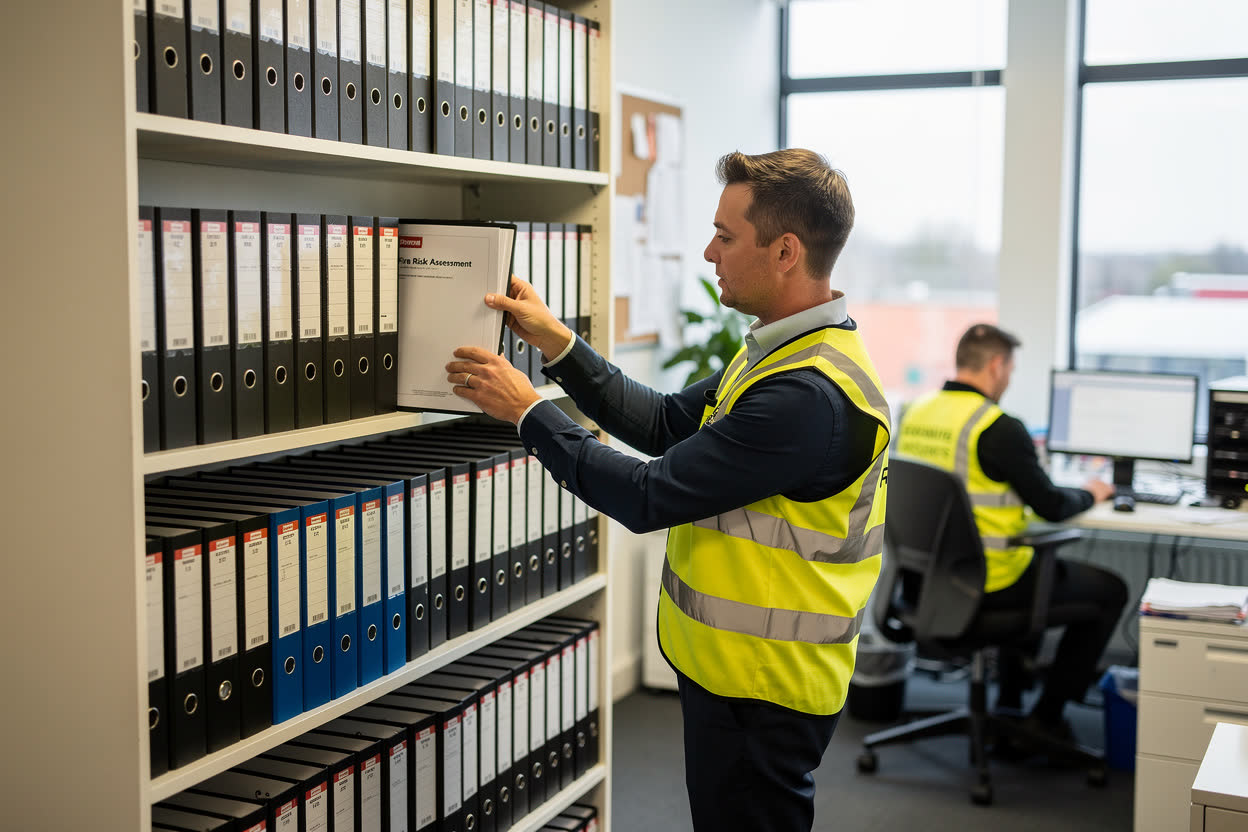
Fire Risk Assessment
Module 2
This course contains audio. Use headphones in public places.
Introduction
Introduction

The fire risk assessment is the cornerstone of the Regulatory Reform (Fire Safety) Order 2005. Everything else, from alarms and extinguishers to escape routes and procedures, follows from it.

A fire risk assessment is an organised, methodical look at your premises, the activities carried out there, and the likelihood that a fire could start and harm people.

This module explains what a fire risk assessment is, who is responsible for it, the five steps, the hierarchy of control, and the daily and weekly checks that keep your premises safe between assessments.
In This Module
In This Module

You will learn about:

  • What a fire risk assessment is, and when it must be recorded.
  • Who is responsible for the fire risk assessment.
  • The five steps of a fire risk assessment.
  • The hierarchy of control.
  • Daily and weekly fire safety checks.
What Is a Fire Risk Assessment?

A fire risk assessment is a careful examination of your premises to identify the fire hazards, the people who could be harmed, and whether the precautions in place are adequate, or whether more needs to be done.

Carrying out a fire risk assessment is a legal requirement under Article 9 of the Fire Safety Order. It must be suitable and sufficient: detailed enough for the size and use of the premises and the risks involved.

A fire risk assessment is not a one-off task. It is a living document that must be kept up to date.

Recording the Assessment

The law sets out when the findings must be written down:

  • In England and Wales, every responsible person must now record the whole fire risk assessment, whatever the number of employees. Government guidance says the record should also include the name of the person who carried it out.
  • In Scotland, the significant findings must be recorded where five or more people are employed, where a licence is in force, or where an alterations notice requires it.

Even where it is not strictly required, keep a written record. It shows how you have met your duties, and helps you to review your decisions over time.

Who Is Responsible?
Who Is Responsible?

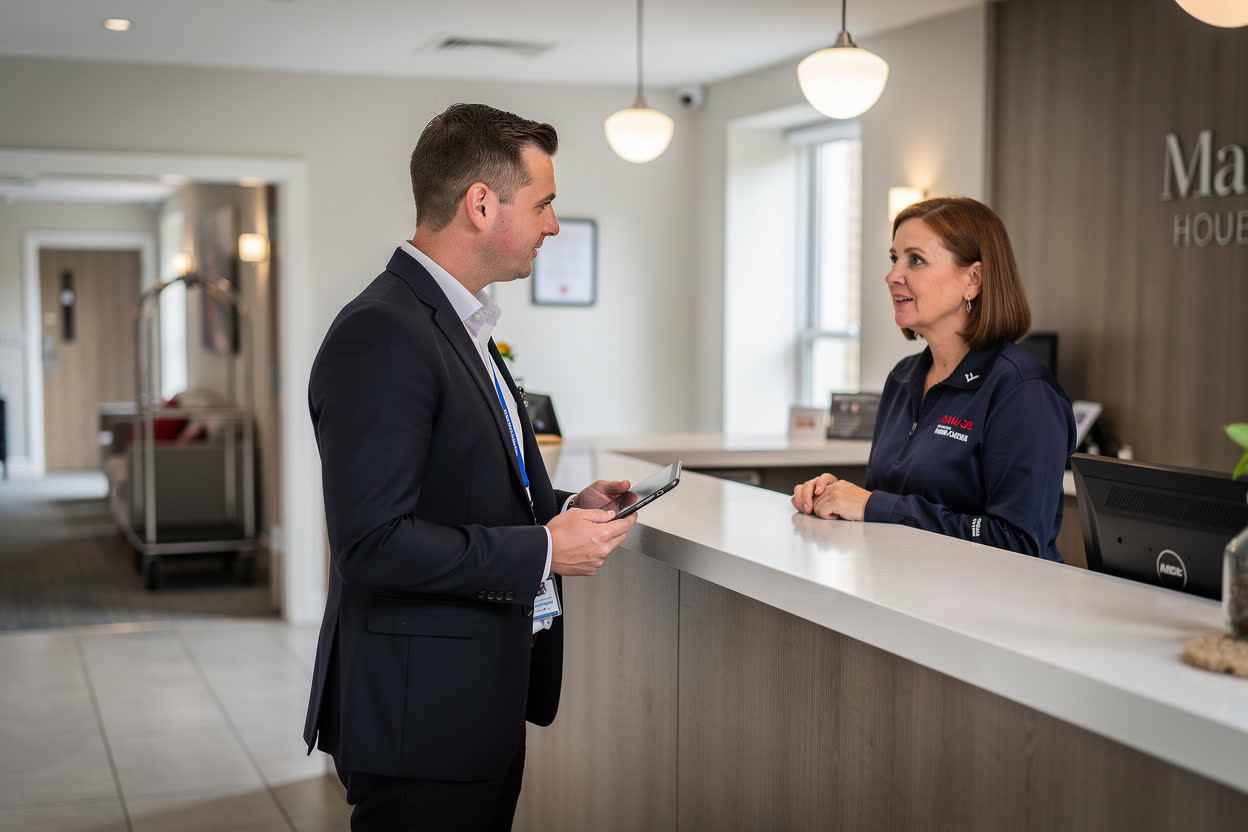
The responsible person, normally the employer, is legally responsible for making sure that the fire risk assessment is carried out and kept up to date.

They may carry it out themselves, or appoint a competent person to do it for them. Appointing someone else does not remove the legal duty: the responsible person remains accountable.

A competent person has enough training, experience and knowledge to carry out the assessment properly. In simple, low-risk premises, the responsible person may be competent to do it. Larger or more complex premises may need a specialist fire risk assessor.

Getting It Right
Getting It Right

Whoever carries out the assessment should:

  • Understand the building, the people who use it and its fire safety systems.
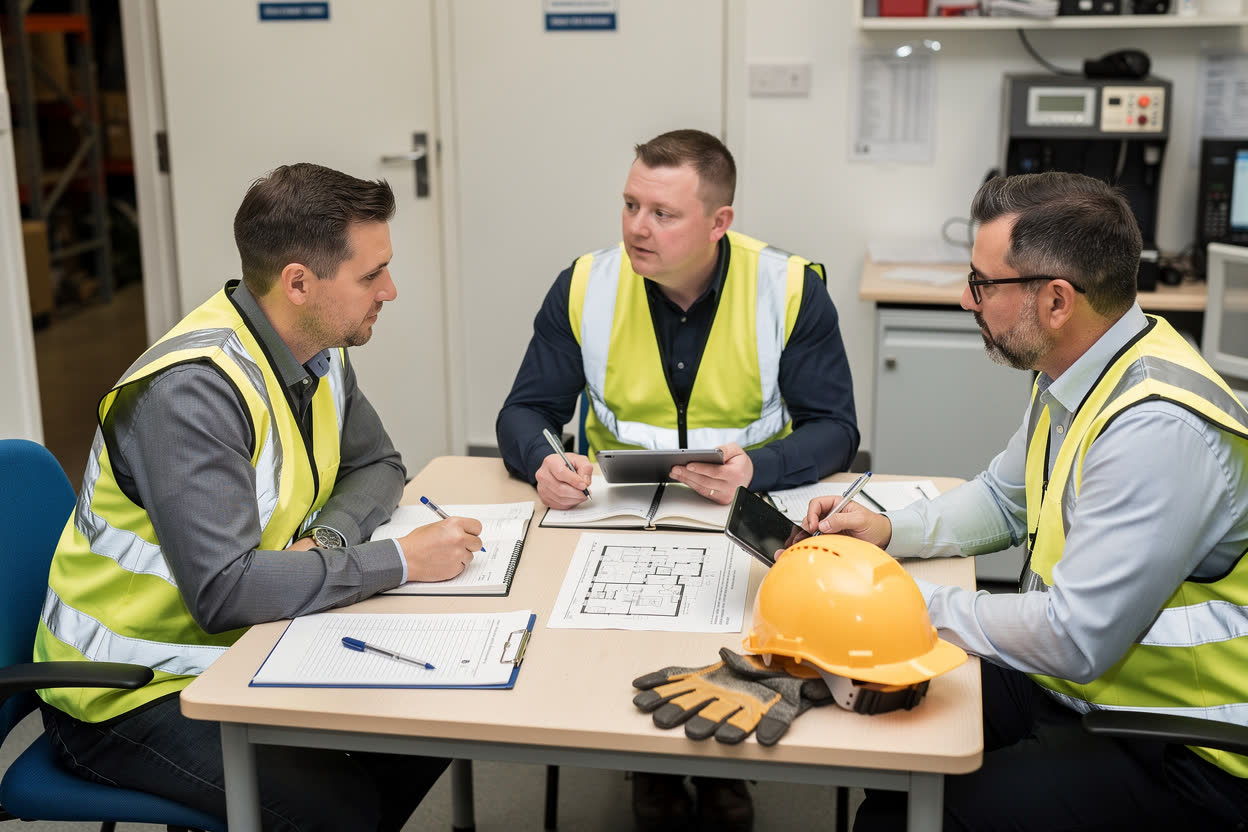
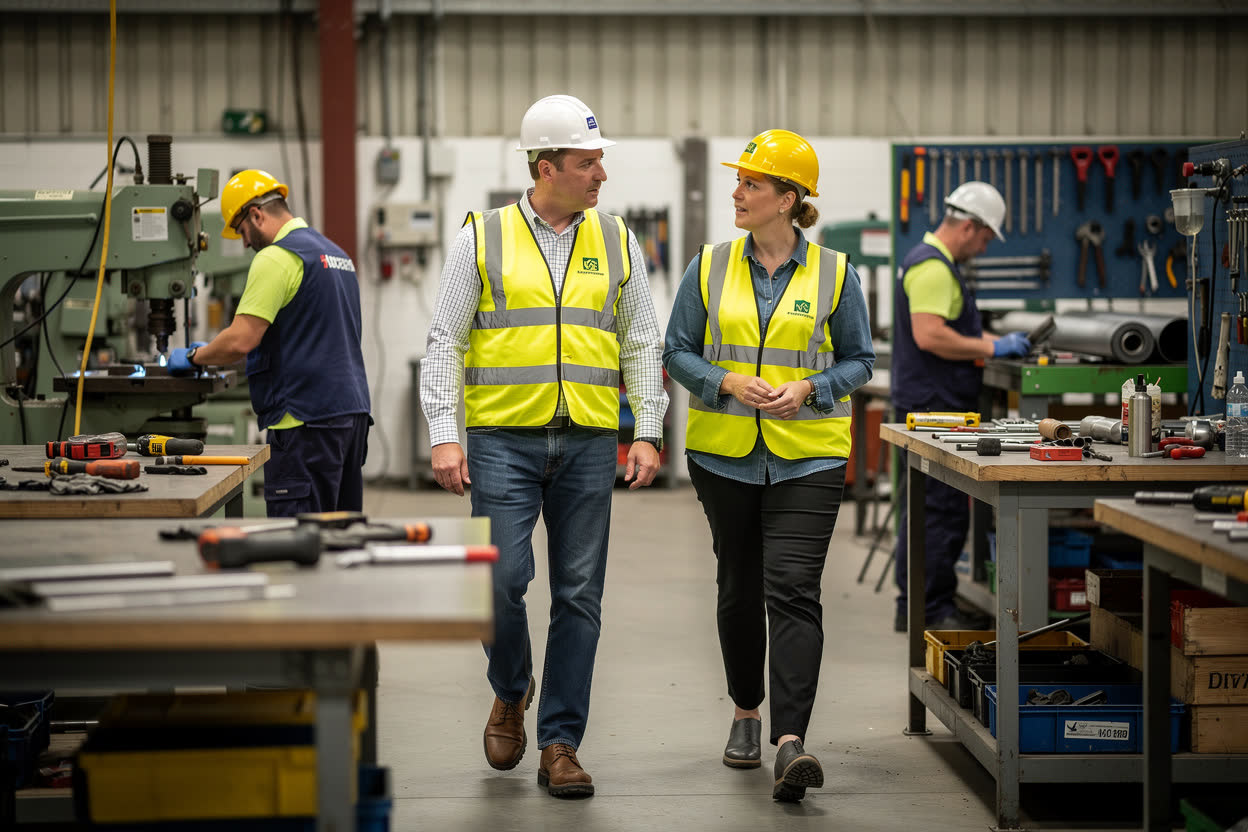
  • Involve employees and their representatives, who know the day-to-day activities and hazards.
  • Use relevant guidance, manufacturers’ instructions and safety data sheets.
  • Share the findings with everyone who could be affected.

Good communication is vital. An assessment that sits in a drawer protects no one.

The Five Steps
The Five Steps

The recognised approach to fire risk assessment follows five steps. Working through them in order makes sure nothing important is missed:

  • Step 1: identify the fire hazards, the sources of ignition, fuel and oxygen.
  • Step 2: identify the people at risk, including those especially at risk.
  • Step 3: evaluate the risks, remove or reduce them, and protect people from the risks that remain.
  • Step 4: record your findings, prepare an emergency plan, and provide information and training.
  • Step 5: review the assessment regularly, and update it whenever things change.
Step 1: Identify the Fire Hazards

A fire needs fuel, oxygen and a source of ignition. Step 1 is to find all three around your premises, so that they can be kept apart.

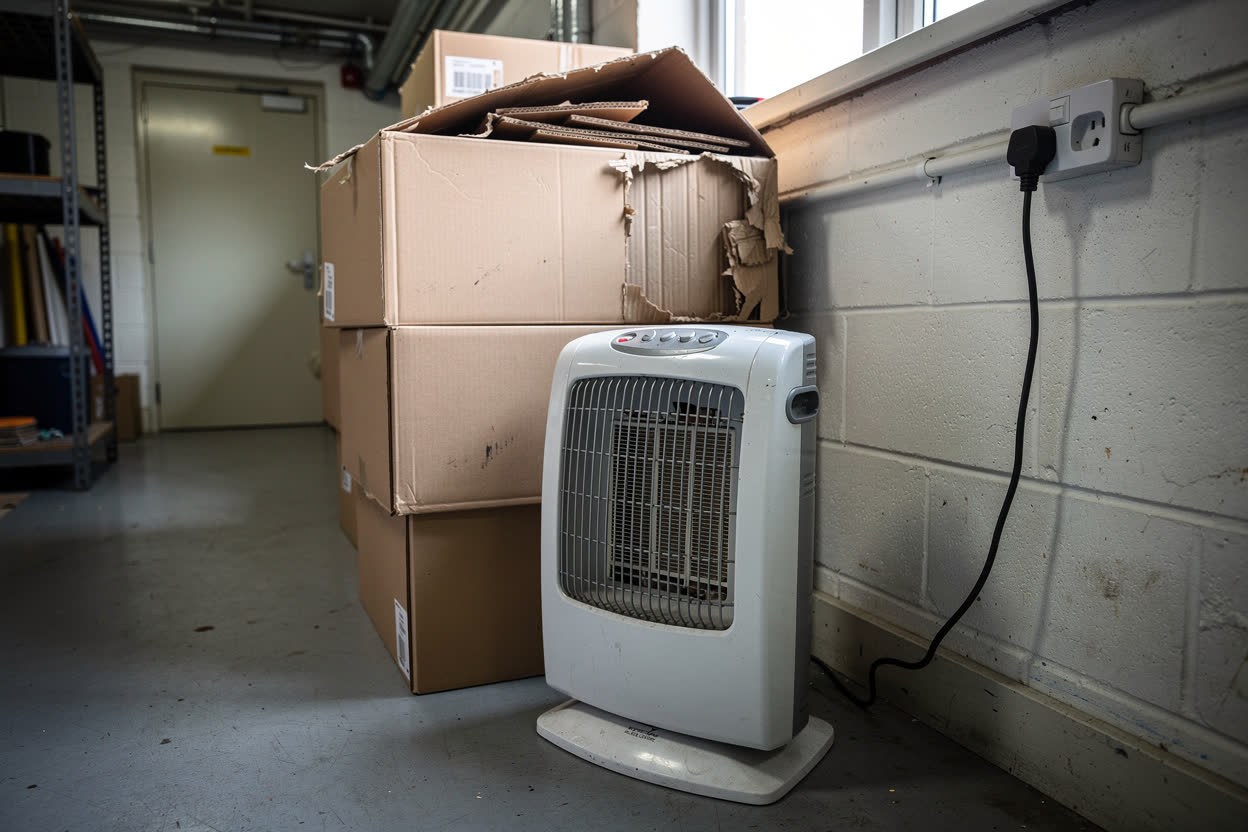
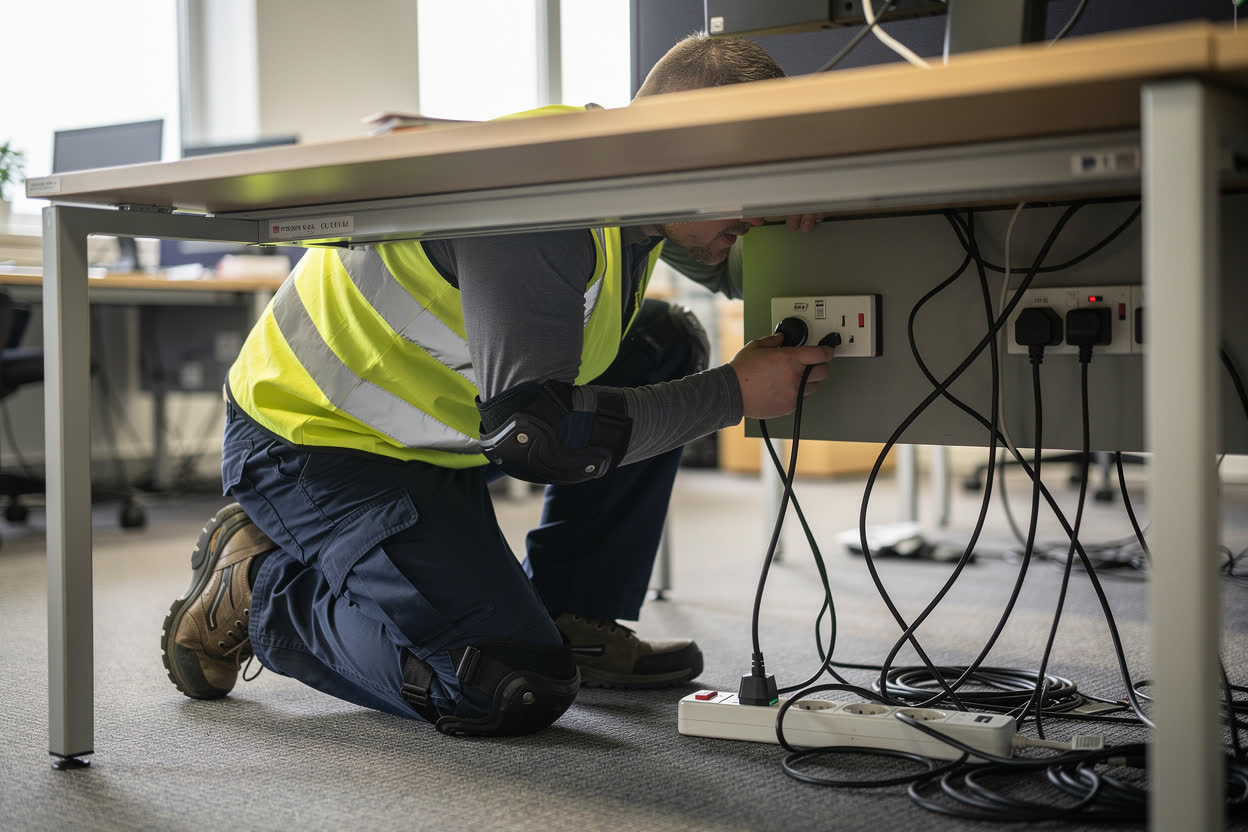
  • Sources of ignition: anything that can produce enough heat to start a fire, such as electrical equipment and faulty wiring, heaters, lighting, hot work, cooking, smoking and hot machinery.
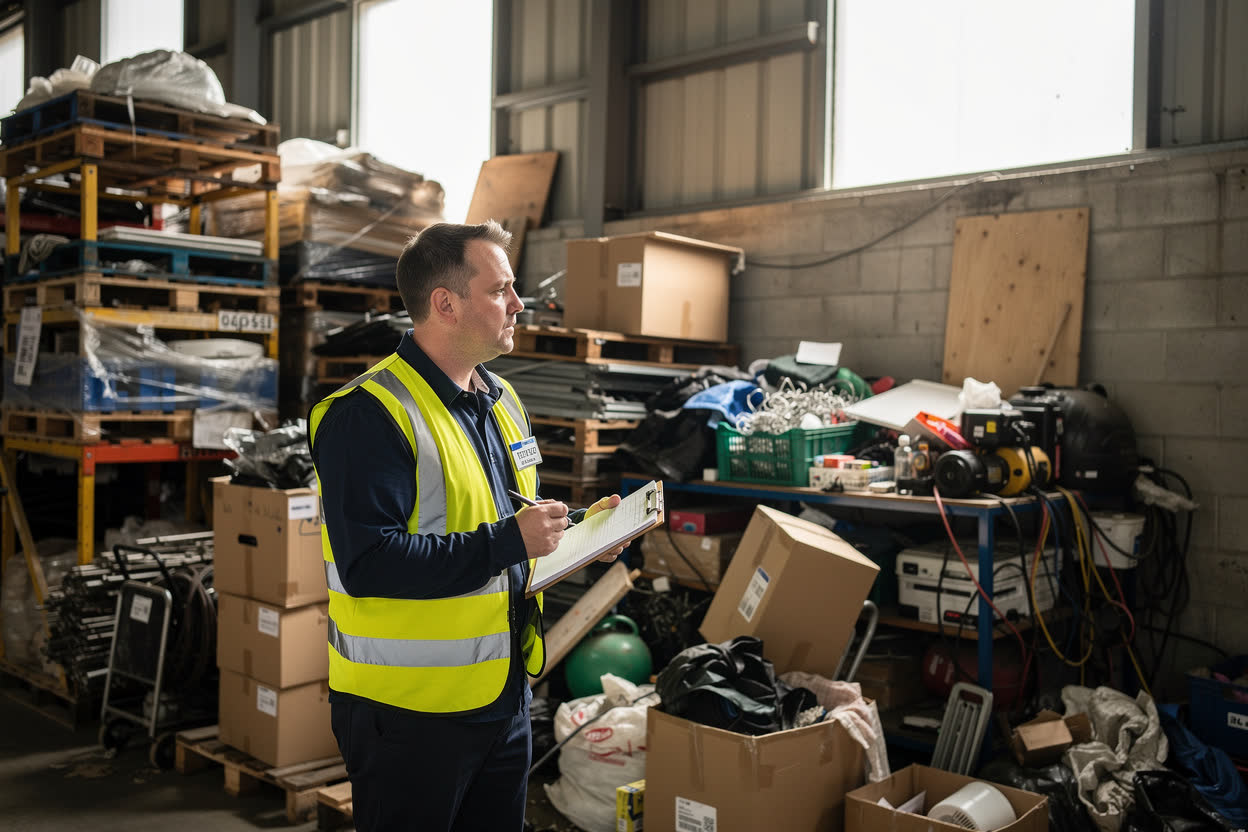
  • Sources of fuel: anything that burns, such as paper, cardboard, packaging, waste, wood, textiles, furniture, plastics, and flammable liquids and gases.
  • Sources of oxygen: the air around us, but also ventilation systems, and oxidising materials and stored gases that can feed a fire.
Step 2: Identify the People at Risk

Everyone in or near the premises is at risk from fire, but some people are at greater risk, and need particular thought. Identify:

  • Employees, especially those working alone or in isolated areas.
  • Visitors, customers and members of the public, who may not know the escape routes.
  • People with disabilities, including mobility, sensory or cognitive impairments.
  • Children, older people, and anyone who may be asleep on the premises.
  • People working near fire hazards, or in areas where a fire could trap them.
  • People in neighbouring premises who could be affected if a fire spreads.
Step 3: Evaluate, Remove, Reduce and Protect

Next, evaluate how likely a fire is, and how serious it could be. Then act in order of priority, following the hierarchy of control:

  • Remove the hazard altogether wherever you can, for example by replacing a flammable substance with a safer one.
  • Reduce the hazard where it cannot be removed. Keep the smallest possible quantity of flammable materials, and separate fuel from ignition sources.
  • Protect people from the risks that remain, with detection and warning systems, escape routes, fire fighting equipment and signs.

Always try to remove or reduce a hazard before relying on protective measures. Prevention is more reliable than control.

Step 3 in Practice
Step 3 in Practice

Practical ways to remove or reduce each side of the fire triangle include:

  • Ignition: maintain and inspect electrical equipment, control hot work with a permit system, enforce a smoking policy, and keep heaters away from combustible materials.
  • Fuel: keep waste to a minimum and remove it regularly, store flammable liquids and gases safely and in small quantities, and keep combustible materials away from ignition sources.
  • Oxygen: make sure ventilation systems can be shut down if they could feed a fire, keep doors closed to limit air flow, and store oxidising materials correctly.
Step 4: Record, Plan, Inform and Train

Record the significant findings: the hazards you found, the people at risk, and the actions you have taken or plan to take. Then prepare an emergency plan, setting out how people will be warned, how they will evacuate, where they will assemble, and how the fire service will be called.

You must also:

  • Tell employees about the risks, and the precautions in place.
  • Train everyone in what to do in a fire, including how to raise the alarm and evacuate.
  • Give extra training to people with special roles, such as fire marshals.
  • Give information to visitors, contractors and anyone else on the premises.
Step 5: Review and Update

Review the fire risk assessment regularly. Many organisations review it at least once a year as good practice, even if nothing obvious has changed. Always review it when:

  • There has been a significant change to the building, its layout or its use.
  • New equipment, processes or substances have been introduced.
  • The number of people, or the type of people using the premises, has changed.
  • There has been a fire or a near miss.
  • You have any reason to think the assessment is no longer valid.
Daily Checks
Daily Checks

Between formal assessments, routine checks keep the premises safe. A nominated person should carry them out, and record them in a fire safety logbook.

Daily checks typically include making sure that:

  • Escape routes are clear, and final exit doors open easily.
  • Fire doors are closed, and not wedged open.
  • Fire safety signs and notices are in place and visible.
  • Fire fighting equipment is in its correct place.
  • The fire alarm control panel shows normal operation.
Weekly Checks
Weekly Checks

Weekly checks typically include:

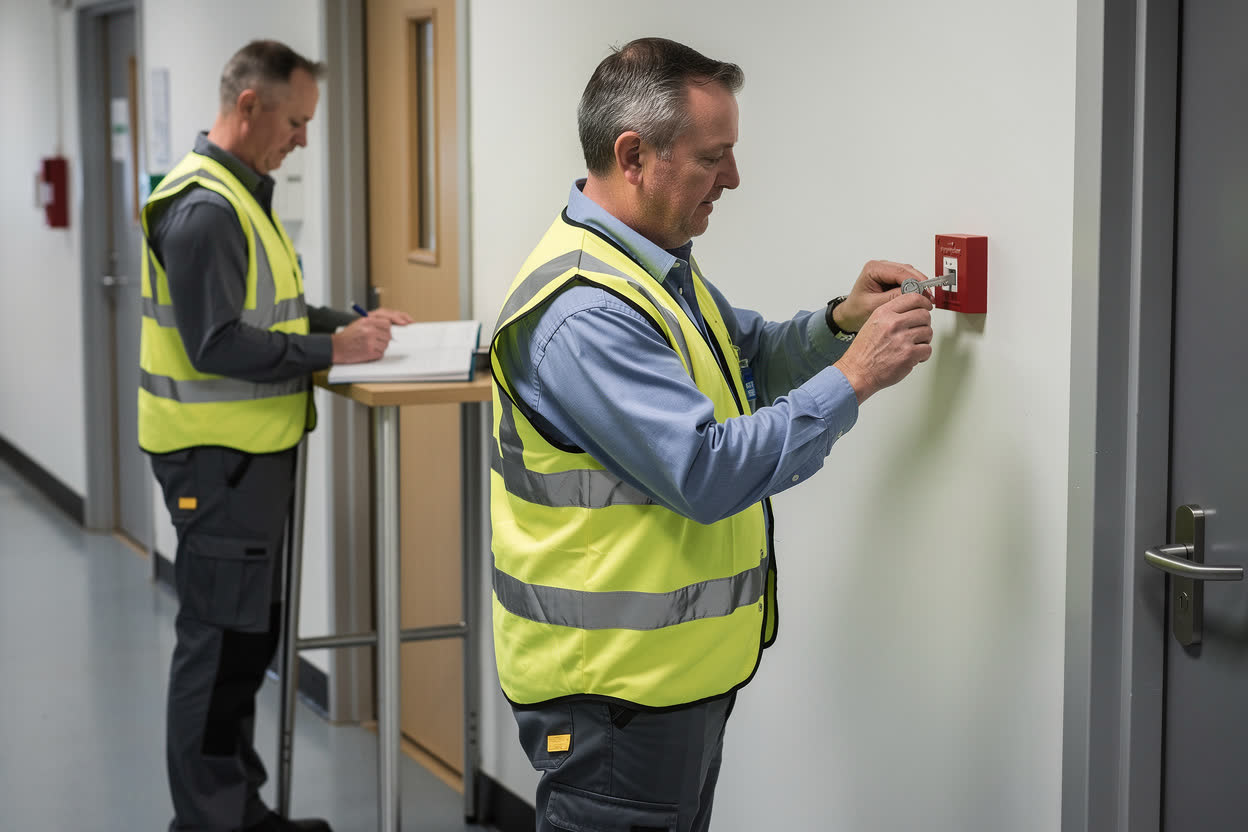
  • Testing the fire alarm from a different manual call point each week, and recording the test.
  • Checking that emergency lighting is working, and shows no faults.
  • Confirming that extinguishers are in place, undamaged and within their service date.
  • Checking that the detection system shows no faults.

Record every check. If a check finds a problem, report it, and make sure it is put right promptly.

Summary

In this module, you have learned that:

A fire risk assessment identifies the fire hazards, the people at risk and the precautions needed, and must be kept up to date.

The five steps are: identify hazards, identify people at risk, evaluate and act, record and plan, and review.

Following the hierarchy of control, and carrying out daily and weekly checks, keeps premises safe between assessments.

In the next module, we will look at the practical measures that prevent fires from starting.

Knowledge Check
In the hierarchy of control, what should you try to do first with a fire hazard?
Select one answer, then press Check.
Protect people with signs and alarms
Provide more fire extinguishers
Record it and move on
Remove the hazard altogether
Correct. Removing the hazard altogether is the most reliable control. Only then reduce it, and protect people from what remains.
Not quite. Protective measures come last in the hierarchy of control. Try again.
Next Module →Answer the question to unlock the next module.
Page 1 of 18