← Exit
Module 1 · Fire Safety Law0% complete · 16 slides left
Fire Risk Assessment
Module 1
This course contains audio. Use headphones in public places.
Introduction
Introduction

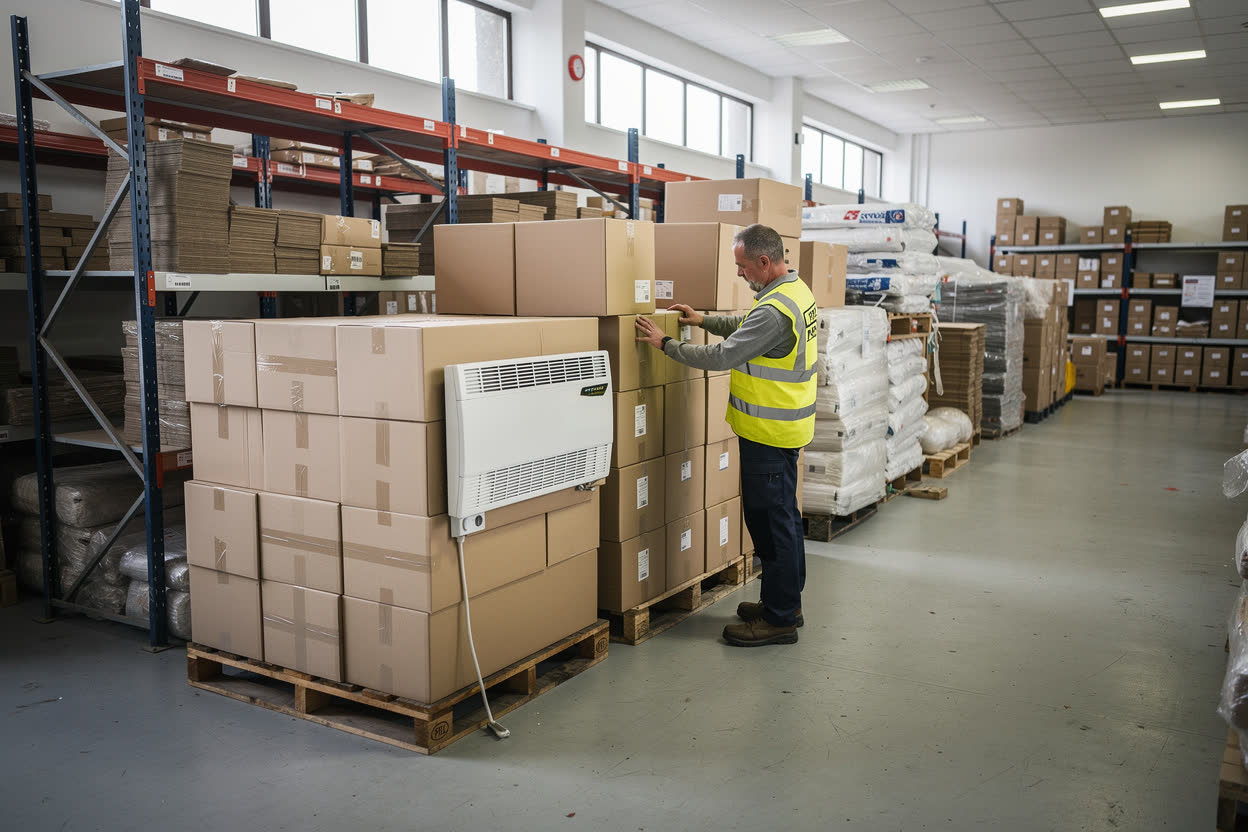
If you own, manage or control a workplace, such as an office, shop, factory or warehouse, the law requires you to put suitable fire safety measures in place, and to have them ready before people work in or visit the building.

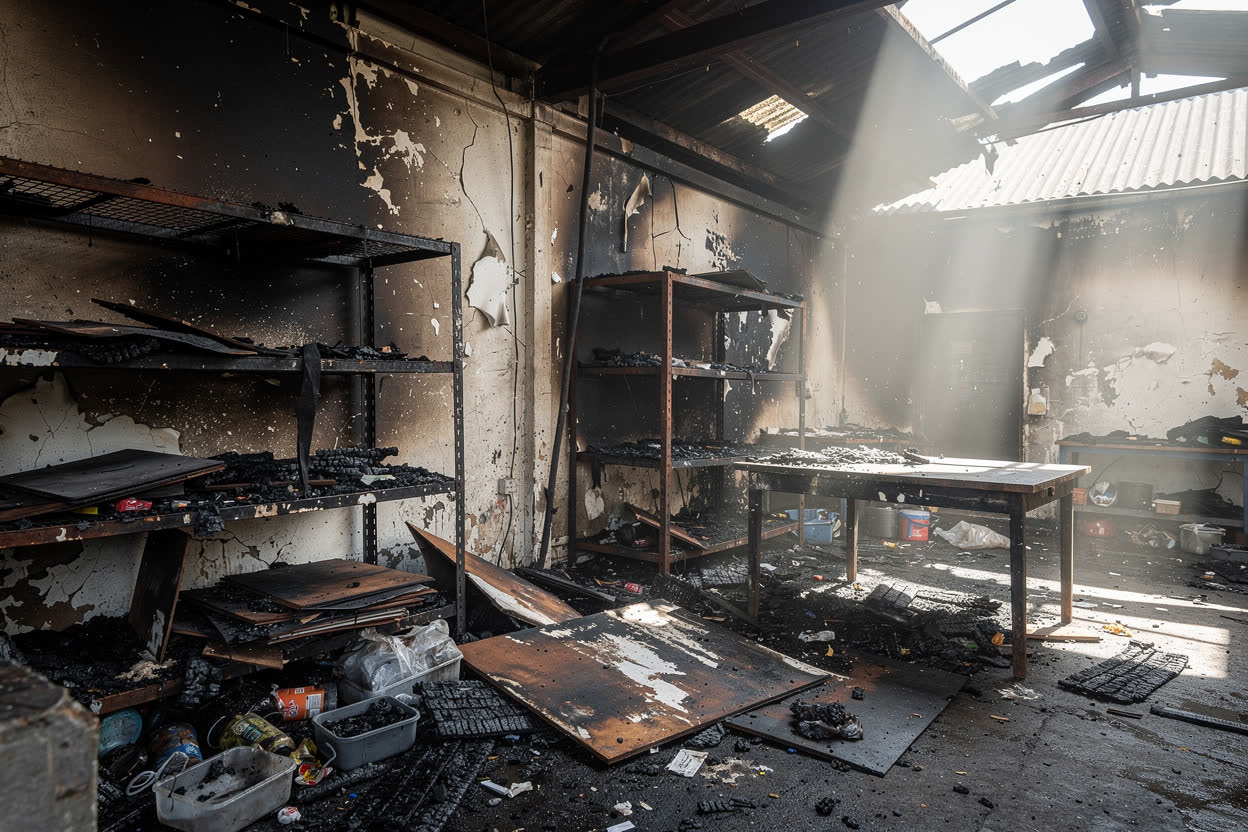
A fire can kill or injure people, destroy a business overnight and lead to prosecution. Yet most fires are preventable.

This course explains fire safety law, how to carry out a fire risk assessment, and the fire safety systems, equipment and procedures you need, so that fires are prevented and people can escape safely if one starts.

Course Aims
Course Aims

By the end of this course, you will be able to:

  • Explain why fire safety matters, and the consequences of getting it wrong.
  • Describe the main requirements of fire safety law in the UK, and who must meet them.
  • Understand how fire safety law is enforced, and the penalties for breaking it.
  • Carry out a fire risk assessment, using the five-step approach.
  • Recognise the fire prevention measures, detection and fire fighting systems, and evacuation procedures a workplace needs.
  • Prepare a fire plan and run effective fire drills, including arrangements for people who need help to escape.
In This Module
In This Module

This module sets out the legal framework for fire safety. You will learn about:

  • Why fire safety is important.
  • Fire safety law, and the duties of the responsible person.
  • Who the law protects.
  • How fire safety law is enforced, and the penalties for breaking it.
Why Fire Safety Matters

Managing fire risk protects lives first and foremost, but it also protects livelihoods. A fire needs three things to start and keep burning, known together as the fire triangle:

  • Fuel: anything that burns, such as paper, packaging, furniture and flammable liquids.
  • Oxygen: normally from the air around us.
  • A source of ignition: heat or a spark, for example from electrical equipment, hot work, smoking or cooking.

Remove any one side of the triangle, and a fire cannot start or continue. Almost every fire safety measure works by keeping these three elements apart.

The Consequences of Fire

Poor management of fire risk can lead to:

  • Death and serious injury. Smoke and toxic fumes are the biggest killers, often reaching people before the flames do.
  • Loss of the business. Premises, stock and equipment can be destroyed, and many businesses never recover from a major fire.
  • Loss of jobs and income for employees.
  • Prosecution, with heavy fines and imprisonment for those responsible.
  • Damage to reputation, as customers, insurers and regulators lose confidence.

Suitable fire safety measures greatly reduce the chance of fire, and make sure that if one starts, people can escape and the damage is limited.

Fire Safety Law in the UK

The main fire safety law for workplaces in England and Wales is the Regulatory Reform (Fire Safety) Order 2005, usually called the Fire Safety Order. Scotland and Northern Ireland have their own laws, with very similar rules.

Article 9 of the Order requires the responsible person to carry out a suitable and sufficient fire risk assessment. Article 8 requires them to take general fire precautions, to keep people safe if a fire breaks out.

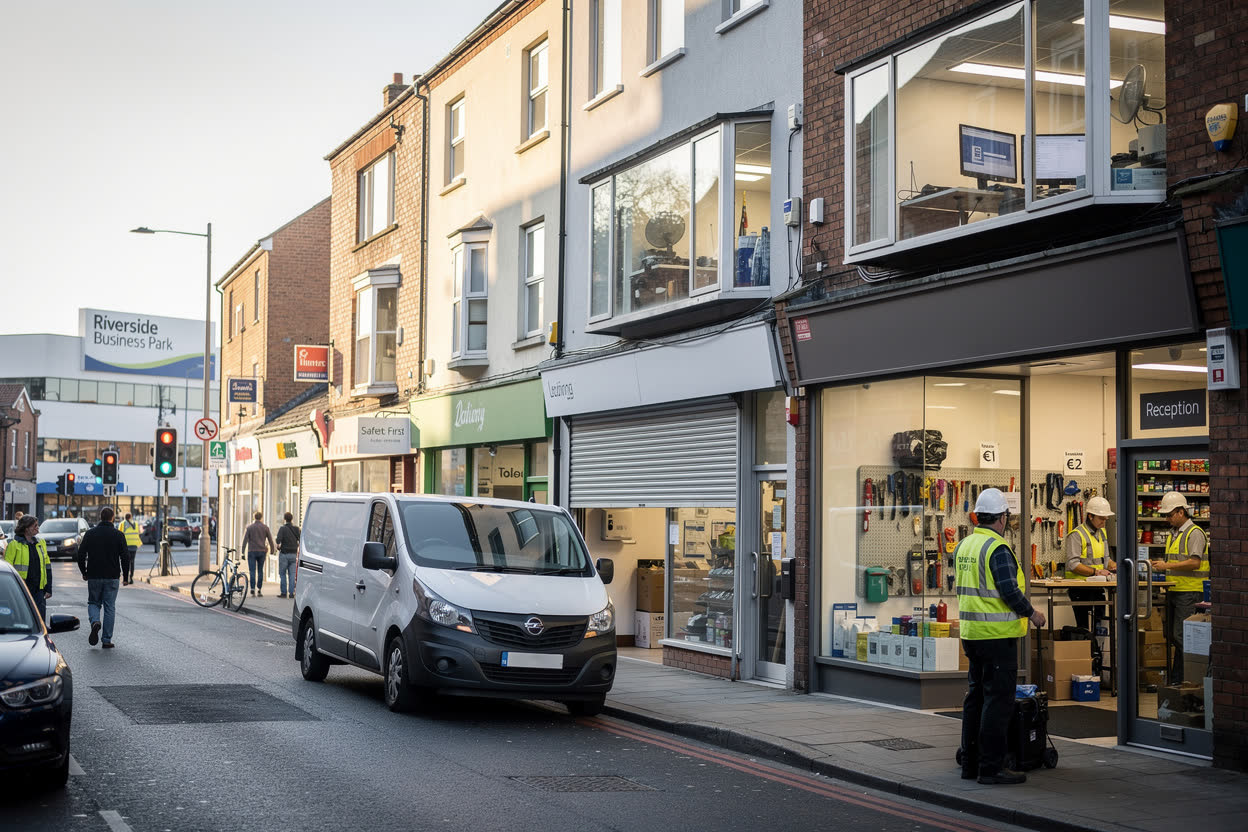
The Order applies to almost all non-domestic premises, including workplaces, shops, offices, factories, hotels, care homes and the common parts of blocks of flats. It does not apply to private homes.

The Responsible Person

The Fire Safety Order places its duties on the responsible person. In a workplace, this is normally the employer. Elsewhere, it is the person who has control of the premises, or the owner.

Where more than one person has duties, such as a landlord and a tenant, they must cooperate, coordinate their fire safety arrangements, and share information.

Employees also have duties: to take care of themselves and others, to cooperate with their employer, and to report serious dangers and shortcomings in fire safety.

What the Responsible Person Must Do

The responsible person must:

  • Make sure a suitable fire risk assessment is carried out, and kept up to date.
  • Decide which fire safety measures are needed, and put them in place.
  • Maintain those measures, such as fire alarms, extinguishers, emergency lighting and fire doors.
  • Give employees clear information, instruction and training about fire risks, and what to do in an emergency.
  • Plan for an emergency, including how people will be warned and how they will evacuate.
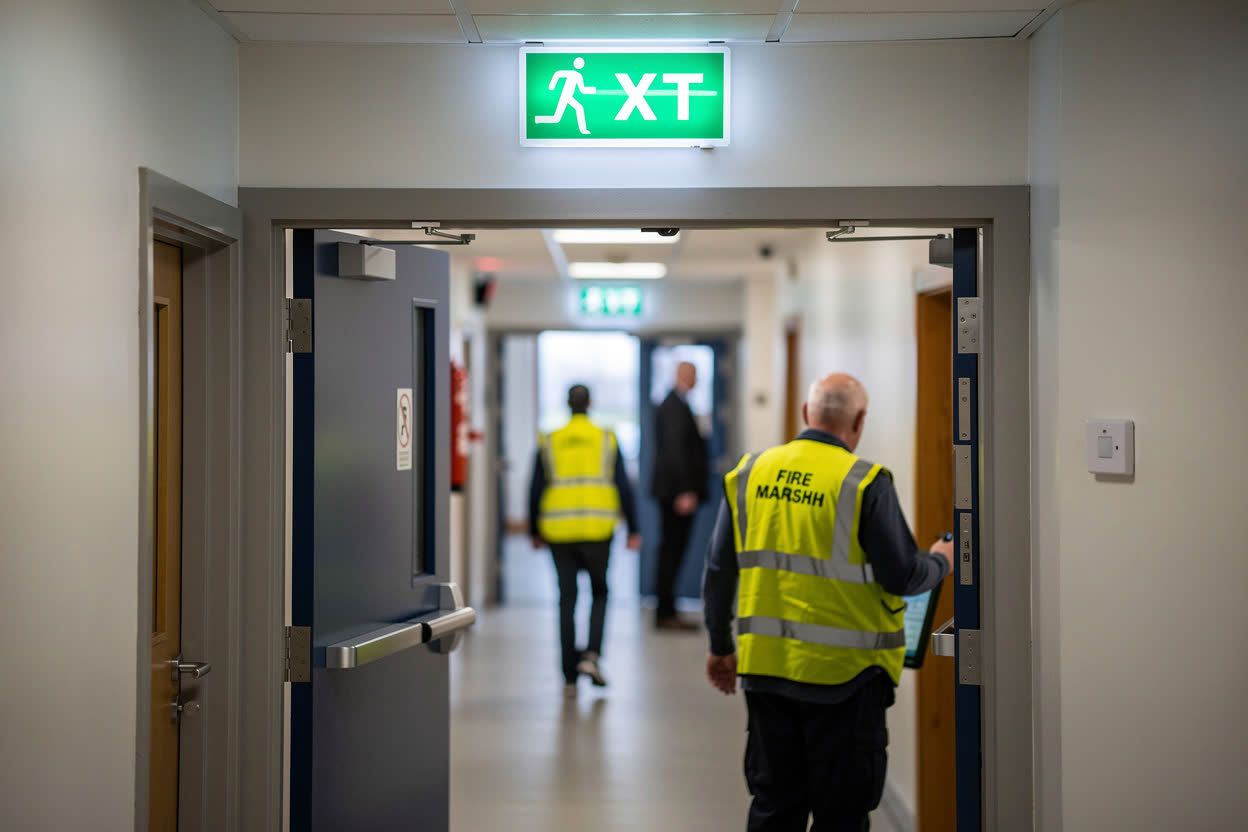
  • Appoint competent people to help carry out the fire safety measures.
Who the Law Protects

The Fire Safety Order protects relevant persons: anyone who is lawfully on the premises, and anyone nearby who could be affected by a fire. When you plan for fire, think beyond your own staff, and include:

  • Employees, and contractors working on the premises.
  • Visitors, customers and members of the public.
  • People with disabilities, and anyone else who may need help to escape.
  • People in neighbouring premises who could be affected if a fire spreads.
General Fire Precautions

The responsible person must take the general fire precautions needed to keep relevant persons safe. In practice, this means:

  • Reducing the risk of fire starting, and of fire spreading.
  • Providing means of escape: clearly signed routes and exits, kept clear and usable at all times.
  • Providing ways to detect fire and give warning, and equipment for fighting fire.
  • Giving people the instruction, training and information they need to act correctly in a fire.
  • Arranging the safe use, handling, storage and transport of dangerous substances.
  • Keeping the premises and fire safety equipment in good working order, and reviewing the arrangements regularly.
Other Relevant Laws
Other Relevant Laws

Several other laws work alongside the Fire Safety Order:

  • The Health and Safety at Work etc. Act 1974 and the Management of Health and Safety at Work Regulations 1999, which require employers to protect employees and others, including from fire.
  • The Building Regulations 2010, with Approved Document B, which set fire safety standards for the design and construction of buildings.
  • The Dangerous Substances and Explosive Atmospheres Regulations 2002, known as DSEAR, which apply where flammable or explosive substances are present.
  • The Fire Safety Act 2021, the Building Safety Act 2022 and the Fire Safety (England) Regulations 2022, which strengthened the rules, especially for blocks of flats.
Who Enforces Fire Safety Law?

In most workplaces, the Fire Safety Order is enforced by the local fire and rescue authority. Some premises are enforced by other bodies. For example, the Health and Safety Executive, or HSE, enforces it on most construction sites, and the Crown Premises Inspection Group covers Crown premises.

Inspectors can enter premises at any reasonable time, inspect them, and ask to see the fire risk assessment and records.

If fire safety is not good enough, they can take enforcement action, depending on how serious the failings are.

Enforcement Action
Enforcement Action

Depending on the level of risk, an inspector may use:

  • Informal action, advising what needs to be put right for minor issues.
  • An alterations notice, where premises are high-risk or could become so. It requires the responsible person to tell the authority before making certain changes.
  • An enforcement notice, where there is a failure to comply. It sets out what must be done to put it right, and by when.
  • A prohibition notice, where the risk is so serious that the use of the premises must be restricted or stopped immediately.

The responsible person can appeal against a notice, but must still protect people in the meantime.

Penalties
Penalties

Breaking fire safety law is a criminal offence, and the penalties reflect the potential for loss of life.

  • Offences can be punished with an unlimited fine.
  • Serious breaches that put people at risk of death or serious injury can lead to up to two years in prison, as well as an unlimited fine.
  • Both organisations and individuals, such as directors and managers, can be prosecuted.

A serious fire can also mean closure, loss of insurance cover and lasting damage to reputation. Complying with the law is far cheaper, and far safer.

Summary

In this module, you have learned that:

Fire can kill, destroy a business and lead to prosecution, but almost all fires are preventable.

The Regulatory Reform (Fire Safety) Order 2005 is the main fire safety law, and places duties on the responsible person.

Fire and rescue authorities enforce the law and can issue notices, and serious breaches can lead to unlimited fines and imprisonment.

In the next module, we will look at how to carry out a fire risk assessment.

Knowledge Check
Under the Fire Safety Order, who normally holds the main legal duty for fire safety in a workplace?
Select one answer, then press Check.
Every individual employee
The company that installed the fire alarm
The responsible person, normally the employer
The local fire and rescue authority
Correct. The main duty falls on the responsible person, which in a workplace is normally the employer.
Not quite. The fire and rescue authority enforces the law, but the main duty falls on someone else. Try again.
Next Module →Answer the question to unlock the next module.
Page 1 of 17