← Exit
Module 1 · Introduction and the Law0% complete · 12 slides left
DSEAR
DSEAR
Module 1
This course contains audio. Use headphones in public places.
Introduction
Introduction

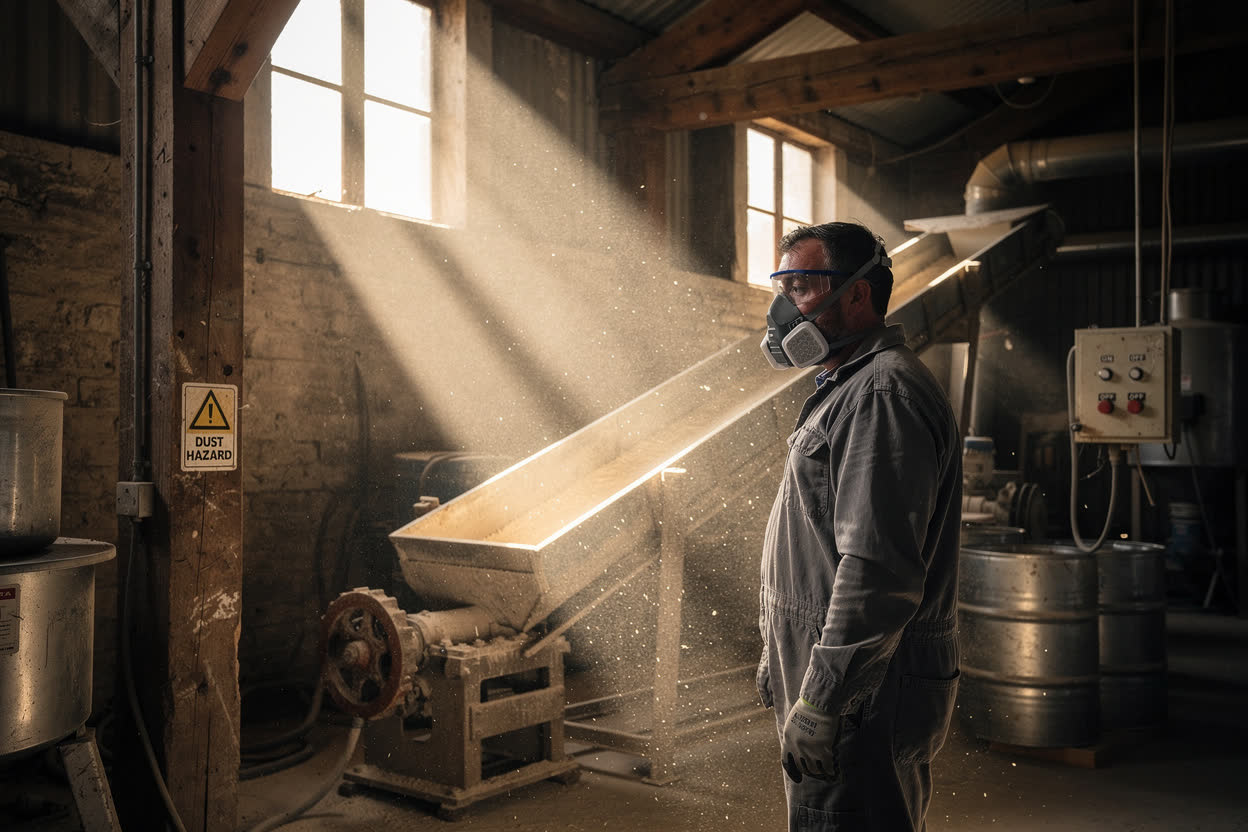
Many workplaces store or use substances that can catch fire or explode: petrol, solvents, gases, paints, and even fine dusts from wood, flour or metal. If they are not properly controlled, the result can be a fire, an explosion or a flash fire that kills and destroys.

This awareness course explains what dangerous substances and explosive atmospheres are, how fires and explosions happen, and the controls the law requires. It is for anyone who works with or near these substances, and for the managers responsible for them.
In This Module
In This Module

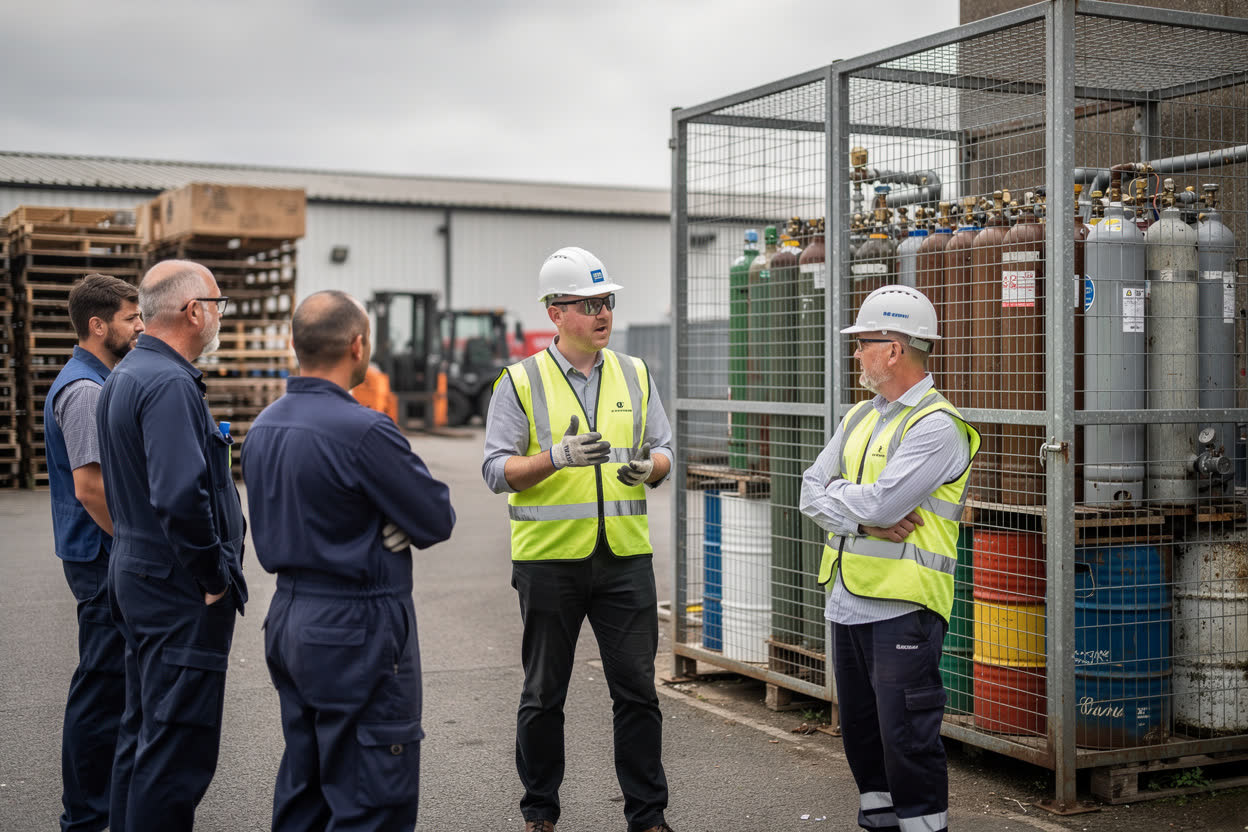
In this module you will learn about:

  • What a dangerous substance is.
  • What an explosive atmosphere is.
  • The Dangerous Substances and Explosive Atmospheres Regulations, known as DSEAR.
  • The main duties of employers, and who enforces the law.
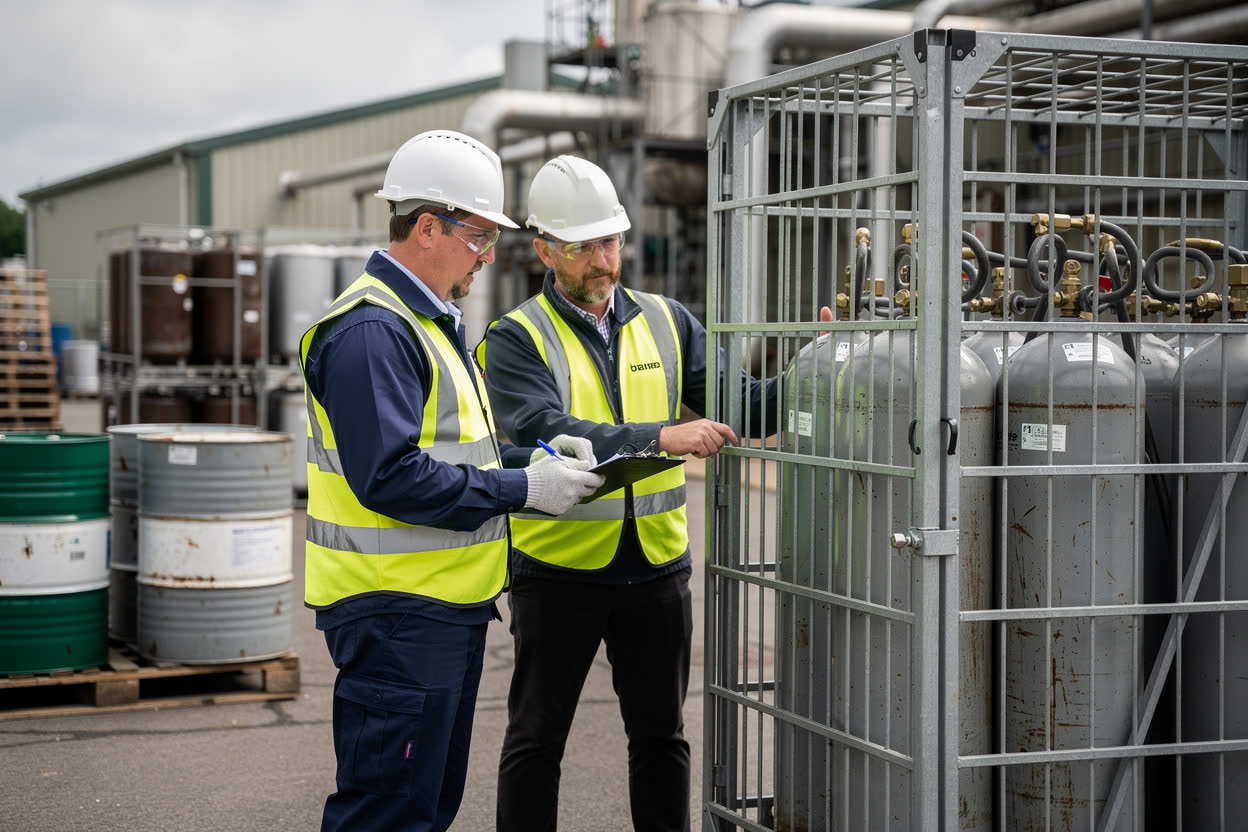
  • Where dangerous substances are found at work.
Dangerous Substances

A dangerous substance is any substance or mixture that could cause harm to people from fire, explosion or a similar energetic event.

This includes flammable liquids, flammable gases, aerosols, oxidising substances, explosives, and combustible dusts. Since 2015, DSEAR also covers gases under pressure, and substances that are corrosive to metals. As a simple rule, if a substance can burn or explode, DSEAR is likely to apply.

Explosive Atmospheres

An explosive atmosphere is a mixture of a dangerous substance with air, in the form of a gas, vapour, mist or dust, in which, after ignition, combustion spreads throughout the whole mixture.

In other words, the fuel is spread through the air in just the right concentration, so that a single spark can ignite the entire cloud at once. The result is not a slow fire but an explosion, or a flash fire, in a fraction of a second.

The Law in Great Britain

In Great Britain, these risks are controlled by the Dangerous Substances and Explosive Atmospheres Regulations 2002, known as DSEAR.

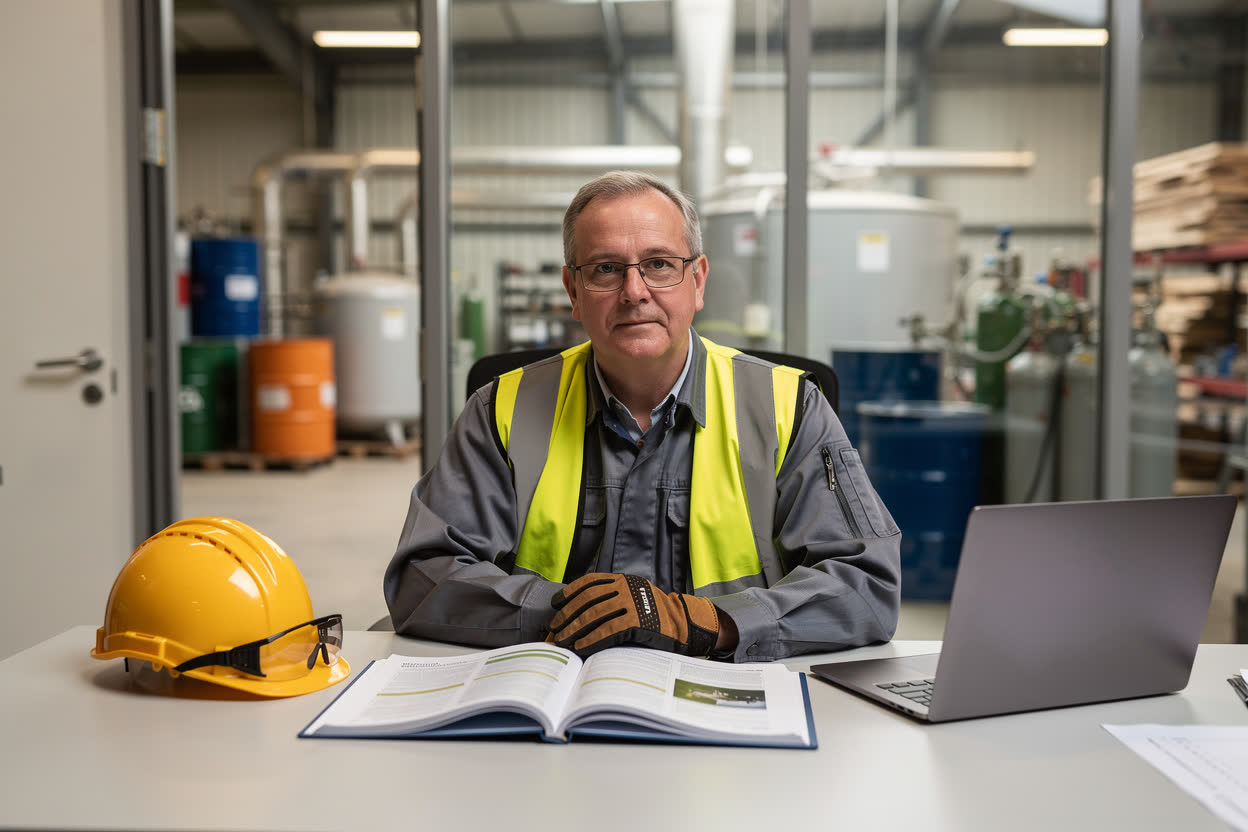
DSEAR requires employers to find out what dangerous substances are present and what risks they pose, and then to put control and mitigation measures in place. It applies to almost every workplace where dangerous substances are used or stored, from small garages to large chemical plants.

What ATEX Means
What ATEX Means

You will often hear the word ATEX. It comes from the French for explosive atmospheres. It refers to two sets of rules:

  • The ATEX Workplace Directive, which protects workers. DSEAR put it into British law, together with the safety parts of the Chemical Agents Directive.
  • The equipment rules, now the Equipment and Protective Systems Intended for Use in Potentially Explosive Atmospheres Regulations 2016, which cover how equipment is designed and certified.

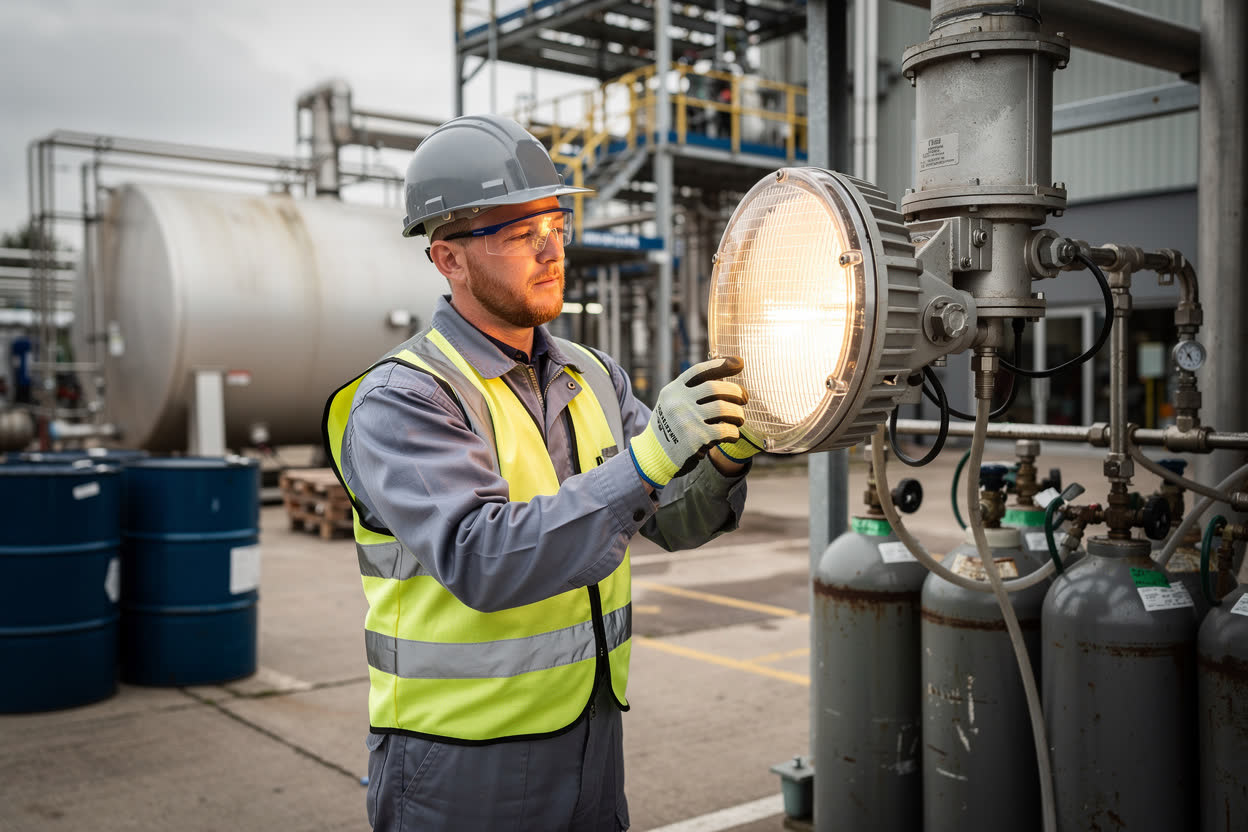
Employers must make sure that only suitable equipment is used where an explosive atmosphere may occur.

Employer Duties
Employer Duties

DSEAR requires employers to:

  • Carry out a risk assessment of any work involving dangerous substances, before the work begins.
  • Eliminate the risks, or reduce them so far as is reasonably practicable.
  • Classify places where explosive atmospheres may occur into zones.
  • Provide equipment and procedures to deal with accidents and emergencies.
  • Provide information, instruction and training to employees.
  • Identify the hazardous contents of containers and pipes.
Enforcement
Enforcement

The Health and Safety Executive, or HSE, and local authorities enforce DSEAR. Their inspectors can visit workplaces, investigate incidents, issue improvement and prohibition notices, and prosecute.

Both employers and employees have duties. Failing to control dangerous substances can lead to enforcement action and, after a serious incident, prosecution.

Where Dangerous Substances Are Found

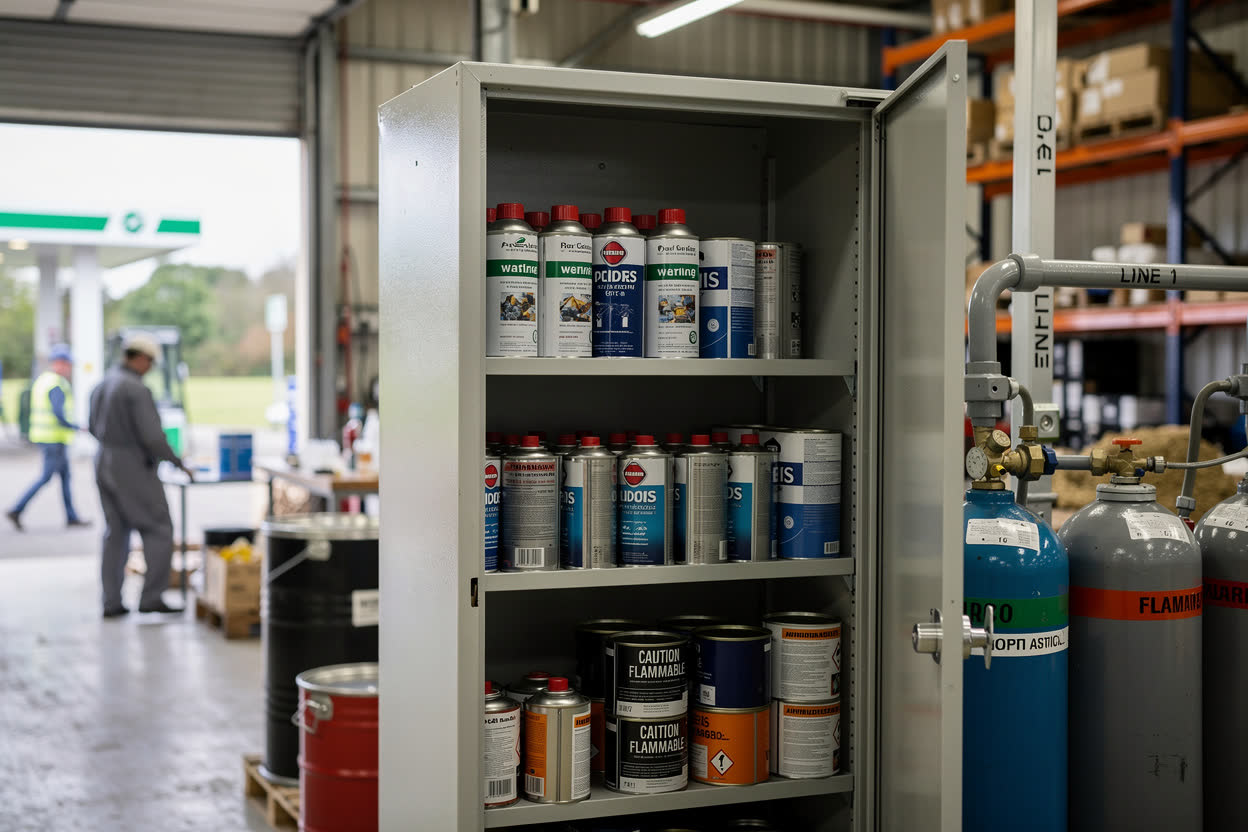
Dangerous substances are far more common than many people realise. They include:

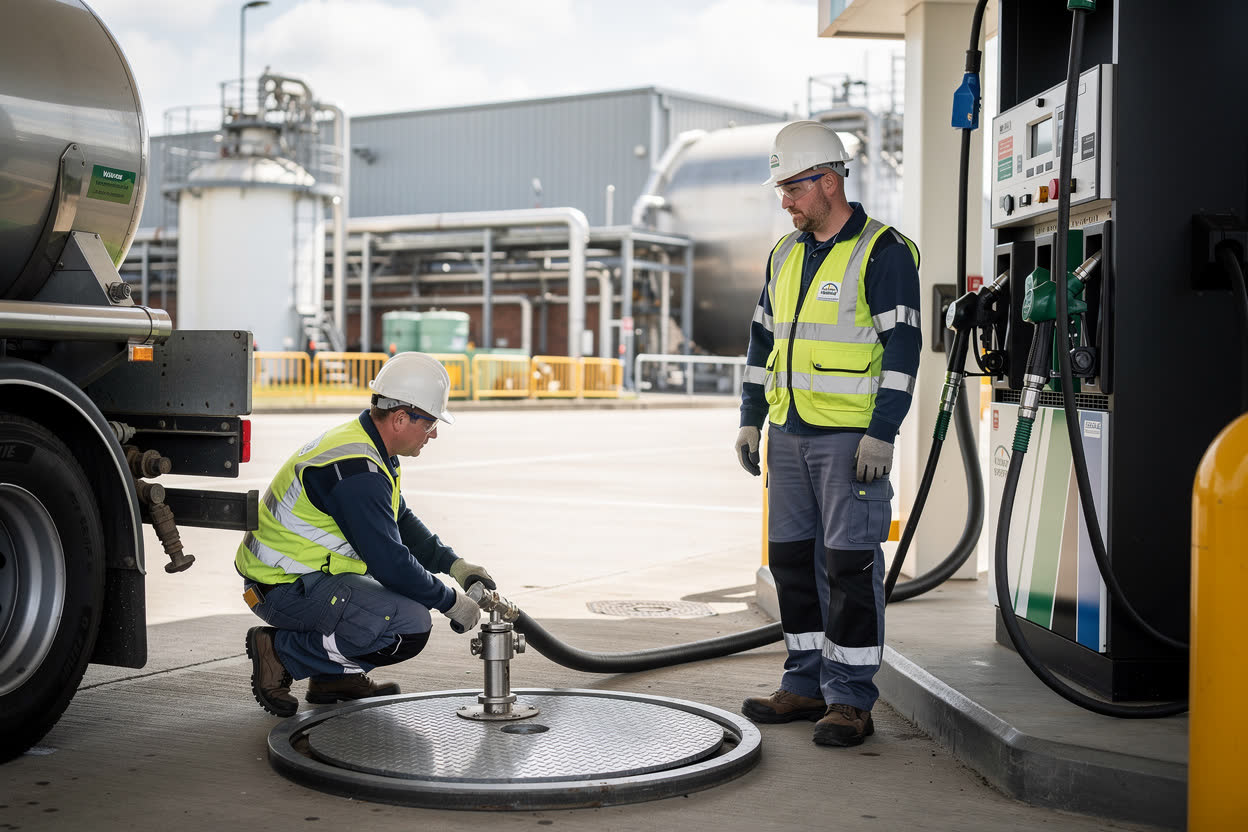
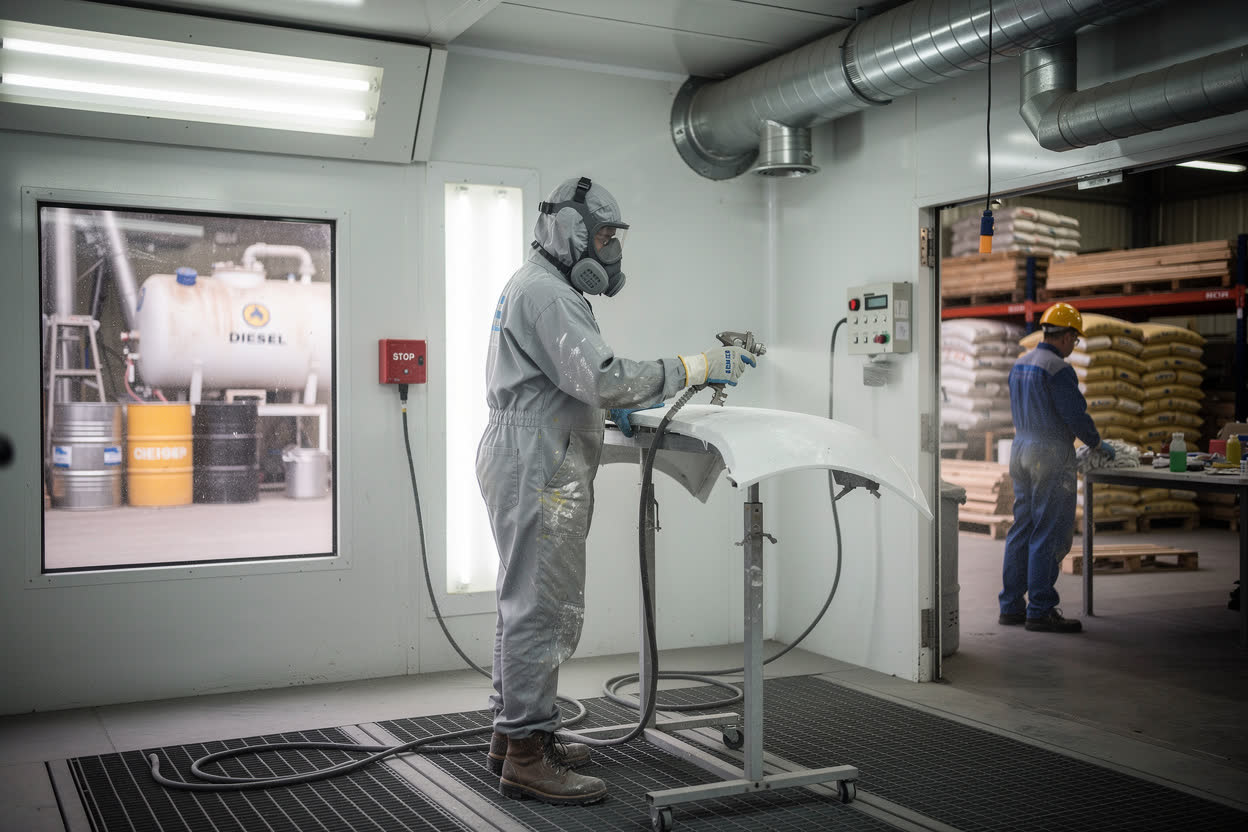
  • Flammable liquids, such as petrol, diesel, solvents, paints, thinners, alcohols and some cleaning fluids.
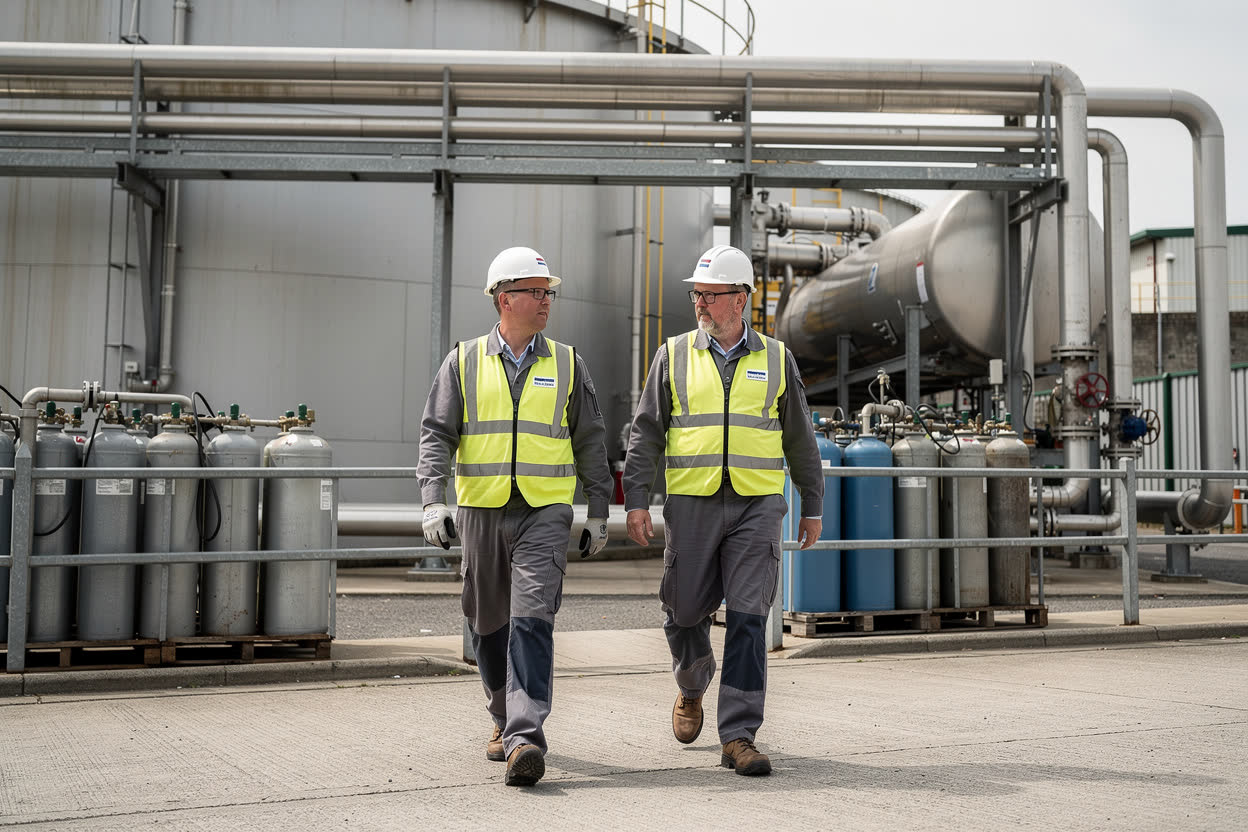
  • Flammable gases, such as liquefied petroleum gas, or LPG, acetylene, hydrogen, natural gas, and the propellants in aerosol cans.
  • Combustible dusts from wood, flour, sugar, grain, metals, plastics and other fine powders.
Typical Workplaces and Processes

The risk often comes from what is done with these substances: spraying, filling, decanting, mixing, grinding, sanding, drying and storage.

Typical workplaces include petrol stations, garages and vehicle body shops, paint and printing works, bakeries and flour mills, sawmills and joinery shops, farms with grain stores, laboratories, warehouses holding aerosols, and sites using LPG or welding gases.

Summary

In this module, you have learned that:

A dangerous substance is anything that could cause harm from fire, explosion or a similar event, including liquids, gases, aerosols, oxidisers and dusts.

An explosive atmosphere is fuel spread through air at the right concentration, so that the whole cloud can ignite at once.

DSEAR requires employers to assess the risks, control them, classify zones, and prepare for emergencies.

In the next module, we will look at how fires and explosions happen.

Knowledge Check
An explosive atmosphere is a mixture of a dangerous substance with air that:
Select one answer, then press Check.
Cannot burn, because there is too much air
Only smoulders slowly
Can ignite and spread combustion through the whole mixture
Cleans the air
Correct. In an explosive atmosphere, ignition spreads combustion through the whole mixture almost instantly.
Not quite. An explosive atmosphere is dangerous because the whole cloud can ignite at once. Try again.
Next Module →Answer the question to unlock the next module.
Page 1 of 13