← Exit
Module 2 · The Regulatory Authority0% complete · 16 slides left
COMAH
COMAH
Module 2
This course contains audio. Use headphones in public places.
Introduction
Introduction

Every COMAH operator must tell the regulator, called the Competent Authority, about their establishment. This allows the Authority to oversee the site, and check that it stays safe.

In this module, you will learn:

  • Who the Competent Authority is.
  • When and how to notify it.
  • How inspections are planned and carried out.
  • How actions from an inspection should be closed.
  • What enforcement action can be taken if safety measures are not good enough.
The Competent Authority in Great Britain

In Great Britain, the Competent Authority is the Health and Safety Executive, or HSE, working jointly with the environmental regulator for the area:

  • In England, HSE and the Environment Agency.
  • In Wales, HSE and Natural Resources Wales.
  • In Scotland, HSE and the Scottish Environment Protection Agency.

For nuclear sites, the Competent Authority is the Office for Nuclear Regulation, acting jointly with the relevant environmental regulator.

The Aim of the Competent Authority

The Competent Authority has one main aim: to protect people and the environment from major accidents at COMAH establishments, and to limit the consequences of any accident that does happen.

To do this, it:

  • Receives and reviews notifications from operators.
  • Assesses safety reports from upper tier establishments.
  • Inspects establishments, and takes enforcement action where needed.
  • Makes information about establishments available to the public.
Notifying the Competent Authority

The operator must notify the Competent Authority if the dangerous substances held, or likely to be held, will reach or exceed the thresholds in Schedule 1.

  • A new establishment must notify in good time before construction starts, or before it begins to operate.
  • An existing establishment that comes into scope, for example because a substance has been reclassified, must notify within the time limit set in the Regulations.

Notification lets the Authority plan its assessments and inspections. Remember that upper tier establishments have more duties than lower tier ones.

When to Review Your Notification

The operator must review whether a new or updated notification is needed whenever something changes that could affect the establishment’s COMAH status, for example:

  • A significant increase or decrease in the quantity of a dangerous substance.
  • A significant change in the nature or physical form of a substance, or a change in its classification.
  • A change to a process that could affect major accident hazards.
  • A change of operator, name or address.
  • The permanent closure of the establishment.

An establishment can move into scope, or change tier, without any accident happening.

What a Notification Includes

Regulation 6 of the COMAH Regulations sets out what the notification must contain, including:

  • The name and address of the operator, and the address of the establishment.
  • The name or position of the person in charge.
  • Information to identify the dangerous substances or categories present, in line with CLP.
  • The quantity and physical form of the dangerous substances.
  • A brief description of the activities.
  • Details of the surroundings that could cause or worsen a major accident, including neighbouring sites.
Submitting the Notification

Use the current COMAH notification form, and submit it by the route that HSE specifies for the Competent Authority. HSE accepts notifications only through this route.

Before you submit, check that the notification is complete and accurate, and that it is sent within the time limit that applies. Keep a copy, together with the inventory calculations that support it, and update it when anything relevant changes.

Inspections
Inspections

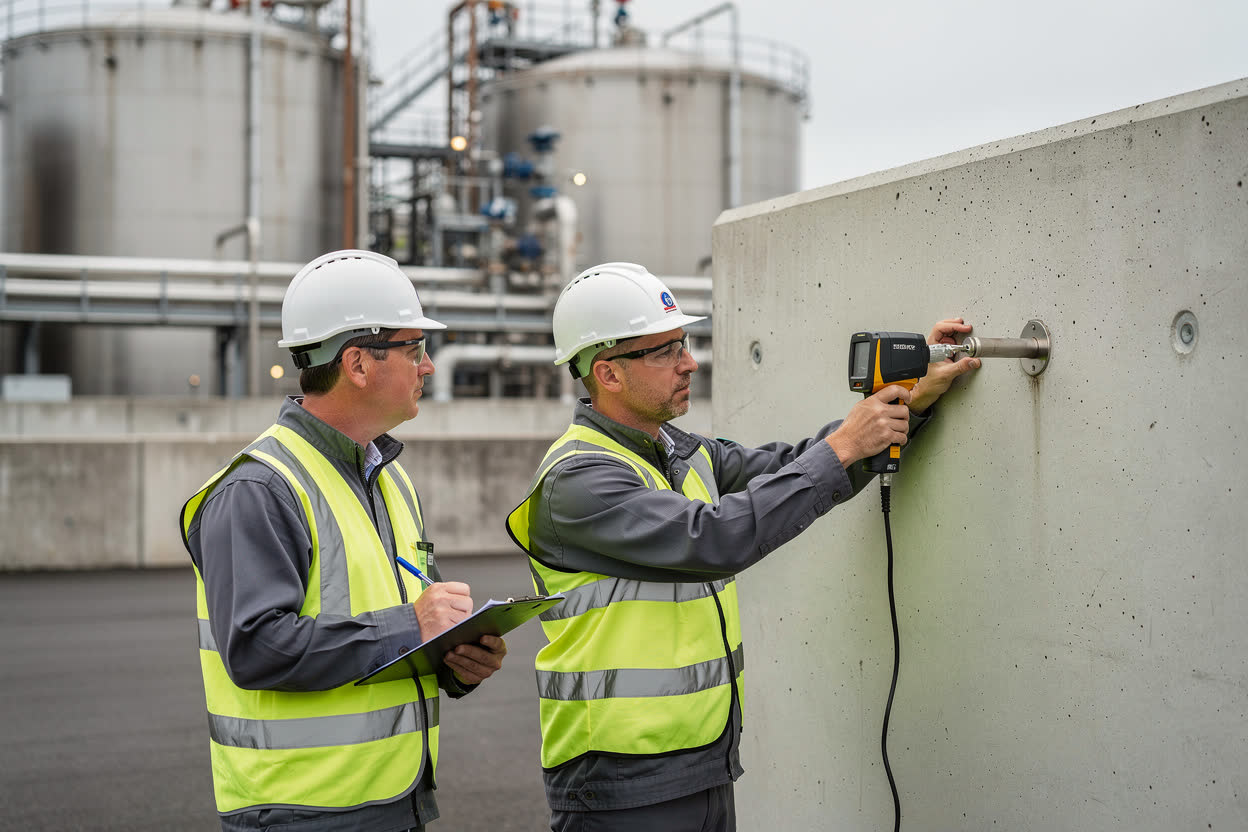
The Competent Authority carries out a planned programme of inspections, to check that COMAH establishments have suitable measures to prevent major accidents. Inspection is seen as the most reliable way to judge how well risks are being managed.

Inspectors check that the operator controls the activities that could lead to a major accident, focusing on the most important measures, especially those most likely to fail. They also look at emergency arrangements, how the Major Accident Prevention Policy is put into practice, and whether the safety management system works.

How Inspections Are Planned

Inspection programmes are not random. They are planned using:

  • A systematic appraisal of the major accident hazards at each establishment.
  • Information about the establishment’s performance, and how well it complies.
  • The findings of previous inspections, and any incidents.

In Great Britain, the law does not set fixed intervals. The Competent Authority decides how often each establishment is inspected through its inspection programme, based on this systematic appraisal.

Before an Inspection

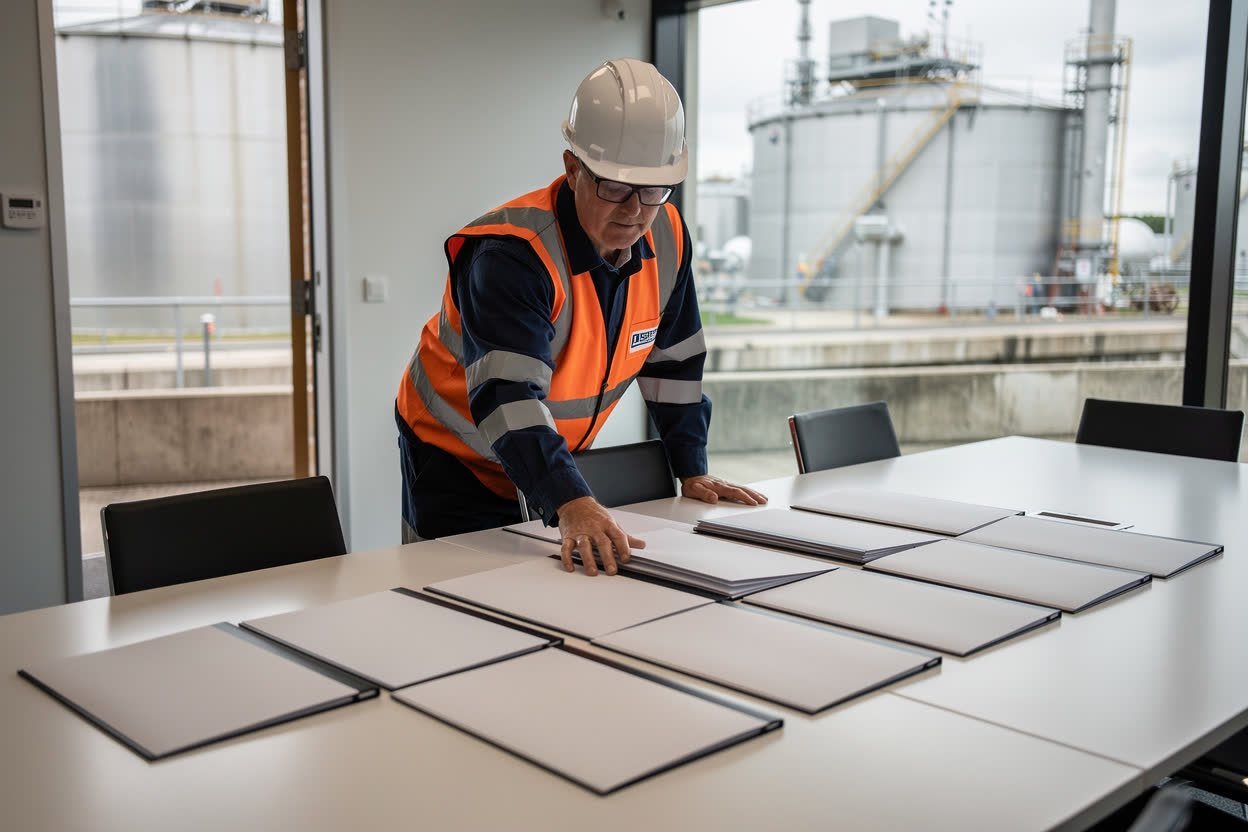
When the Competent Authority plans its work at your establishment, you will normally receive an intervention plan. This sets out when inspections will take place, the topics or areas that will be examined, and how long they are expected to take.

Use this to prepare. Make sure the relevant documents, procedures and records are up to date and available, and that the right people will be there to answer the inspectors’ questions.

After an Inspection
After an Inspection

After an inspection, the Competent Authority communicates its conclusions, and tells you whether your measures are adequate, or whether improvements are needed. Where a serious breach is found, it will follow up with further inspection.

Where weaknesses are found, the Authority will say clearly what must be done to comply. You must carry out these actions, keep evidence that they are complete, and tell the Authority what you have done. The inspector will always check.

Closing Inspection Actions

An action from an inspection is only closed when the problem has really been fixed. The best way to close an action is to:

  • Assign a named owner, and a realistic deadline.
  • Complete the work, for example repairing equipment, revising a procedure or training staff.
  • Verify that the fix is effective, for example by testing the equipment or checking the procedure is followed.
  • Keep evidence, and report completion to the Competent Authority where required.

Never remove an action from the list just because it was discussed at a meeting, or wait for the next inspection.

Enforcement
Enforcement

If an inspection finds a serious breach of the law, the Competent Authority will take formal enforcement action to protect people and the environment. This can be against the company, another responsible party, or an individual.

Action can include formal notices requiring improvements, and prosecution. Where the measures to prevent or limit major accidents are seriously deficient, the Authority must prohibit the operation of the establishment, or part of it, until the problem is resolved.

The Authority decides what action is right for the actual risk and the breach.

Safety-Critical Measures

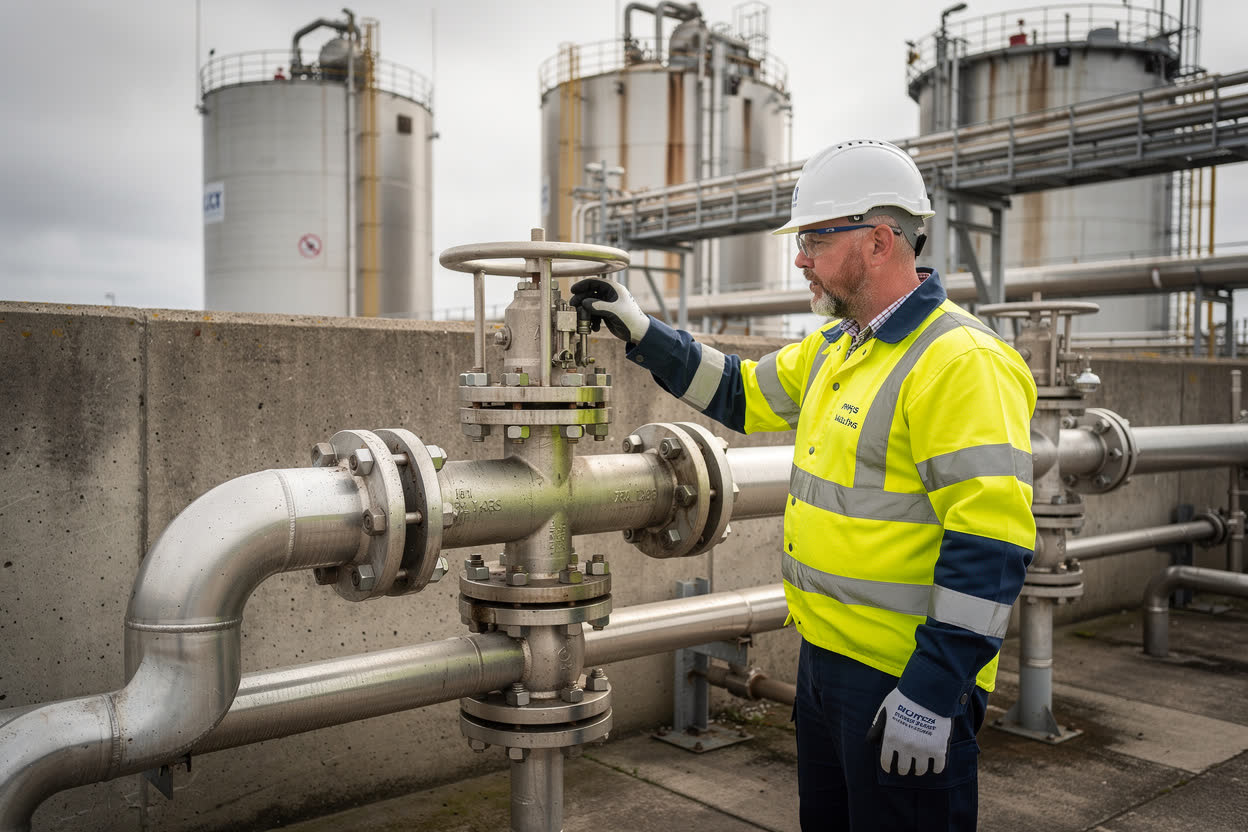
Major hazard sites usually rely on several layers of protection, such as alarms, trips, relief valves and bunds. Never dismiss the failure of a single safety-critical measure because other layers exist. One failed layer can greatly increase the risk. Report it through the site’s procedures, so that it can be assessed and corrected promptly.

The Authority can also prohibit operation if an operator fails to submit a notification, safety report or other required information on time. Operators must comply with every notice, and the Authority will follow up.

Summary

In this module, you have learned that:

The Competent Authority is HSE, working jointly with the Environment Agency in England, Natural Resources Wales or the Scottish Environment Protection Agency.

Operators must notify the Competent Authority, and review the notification when a new establishment enters scope or a relevant change affects its status.

Inspections are planned using risk, performance information and previous findings. Close actions by assigning an owner, completing the work and verifying it is effective.

In the next module, we will look at the Seveso Directives, chemical classification and labelling, public information and the domino effect.

Knowledge Check
Which organisations jointly form the COMAH Competent Authority in England?
Select one answer, then press Check.
The police and the local council
The fire and ambulance services
The operator and its insurer
The Health and Safety Executive and the Environment Agency
Correct. In England, HSE and the Environment Agency act jointly as the Competent Authority.
Not quite. The Competent Authority combines a health and safety regulator with an environmental one. Try again.
Next Module →Answer the question to unlock the next module.
Page 1 of 17