← Exit
Module 3 · Asbestos Awareness0% complete · 23 slides left
Asbestos Awareness
Asbestos Awareness
Module 3
This course contains audio. Use headphones in public places.
Introduction
Introduction

Asbestos diseases are among the most serious of all occupational illnesses. Most cannot be cured, and many are fatal.

What makes asbestos so dangerous is that the damage is silent. Breathing in fibres causes no pain, no cough and no warning. The diseases usually appear decades later, often after people have retired, by which time it is too late to do anything about the exposure.

This module explains how asbestos harms the body, and the measures used to keep exposure as low as possible.
In This Module
In This Module

In this module you will learn about:

  • How asbestos fibres enter and damage the body.
  • Why some asbestos materials release fibres more easily than others.
  • The four main asbestos-related diseases.
  • The link between asbestos and smoking.
  • Exposure limits, respiratory protection and decontamination.
  • Health surveillance for workers.
How Asbestos Fibres Harm the Body

Asbestos fibres are many times thinner than a human hair. They float in the air for hours, and are breathed in without being noticed.

The body’s natural defences trap larger dust in the nose and throat, but the finest asbestos fibres travel deep into the lungs. Their sharp, needle-like shape lets them work into the lung tissue and the lining around the lungs, where they stay.

Over many years, the fibres cause inflammation, scarring and changes to cells that can lead to cancer. There is no known safe level of exposure, and every exposure adds to the risk.

How Exposure Adds Up Over Time
Past exposure may be forgottenDisease can appear decades laterPrevention protects future health
How Exposure Adds Up Over Time

Asbestos disease often develops long after the work that caused exposure, so a person may not connect a later illness with an old task. Someone who drilled panels as an apprentice may have changed employers, moved home and retired before symptoms appear. This delay makes prevention important even when a task seems too brief to cause an immediate effect. There is no reliable sensation that tells a worker fibres have been inhaled, and the absence of symptoms after a job does not show that exposure was harmless.

If a person has a history of exposure, they can tell their GP about the work and keep a record of the types of tasks and materials they remember. That information may help a clinician take an occupational history. For the people still doing the work, the practical lesson is to prevent each avoidable release, report incidents and make sure records of exposure are retained where the law requires them.

Friability
Friability

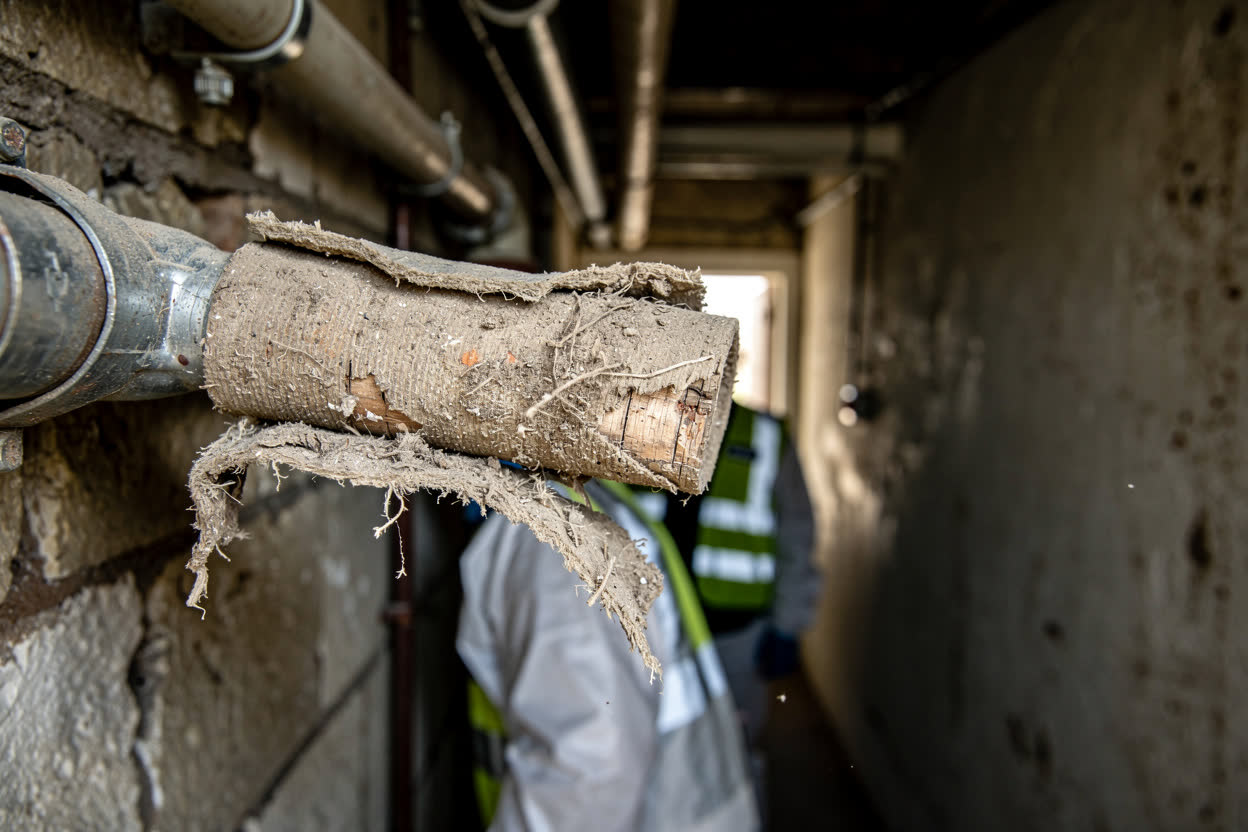
Friability means how easily a material crumbles and releases fibres. The more friable a material is, the higher the risk.

  • Sprayed coatings and pipe lagging are very friable. They can release fibres just by being touched or brushed against.
  • Asbestos insulation board is moderately friable. Fibres are released when it is drilled, cut, broken or knocked.
  • Asbestos cement, floor tiles and textured coatings are less friable, because the fibres are bound into the material. They release fibres when they are damaged, sanded, drilled or broken up.

Weathering, water damage and age can make any asbestos material more friable over time.

Condition, Damage and Likelihood of Release
Check how firmly material is boundDamage can change its conditionNever test by touching or scraping
Condition, Damage and Likelihood of Release

Friability describes how readily a material can crumble, but it is only one part of a practical assessment. The type of product, its surface treatment, current condition and the way a task interacts with it all matter. A cement product may hold fibres firmly when intact, yet cutting, breaking or aggressive abrasion can release dust. A soft coating can be especially vulnerable to knocks or vibration. Water damage, failed paint, exposed edges or previous poor repairs may alter a material that once appeared stable.

The condition should be assessed by a competent person using suitable information and inspection methods; a worker should not rub, scrape or snap a piece to see what it is made of. If the description in the register conflicts with what is visible, treat the difference as a reason to pause. The relevant decision is whether the proposed activity could disturb the material, not whether it looks old or resembles a sample photograph.

Mesothelioma
Mesothelioma

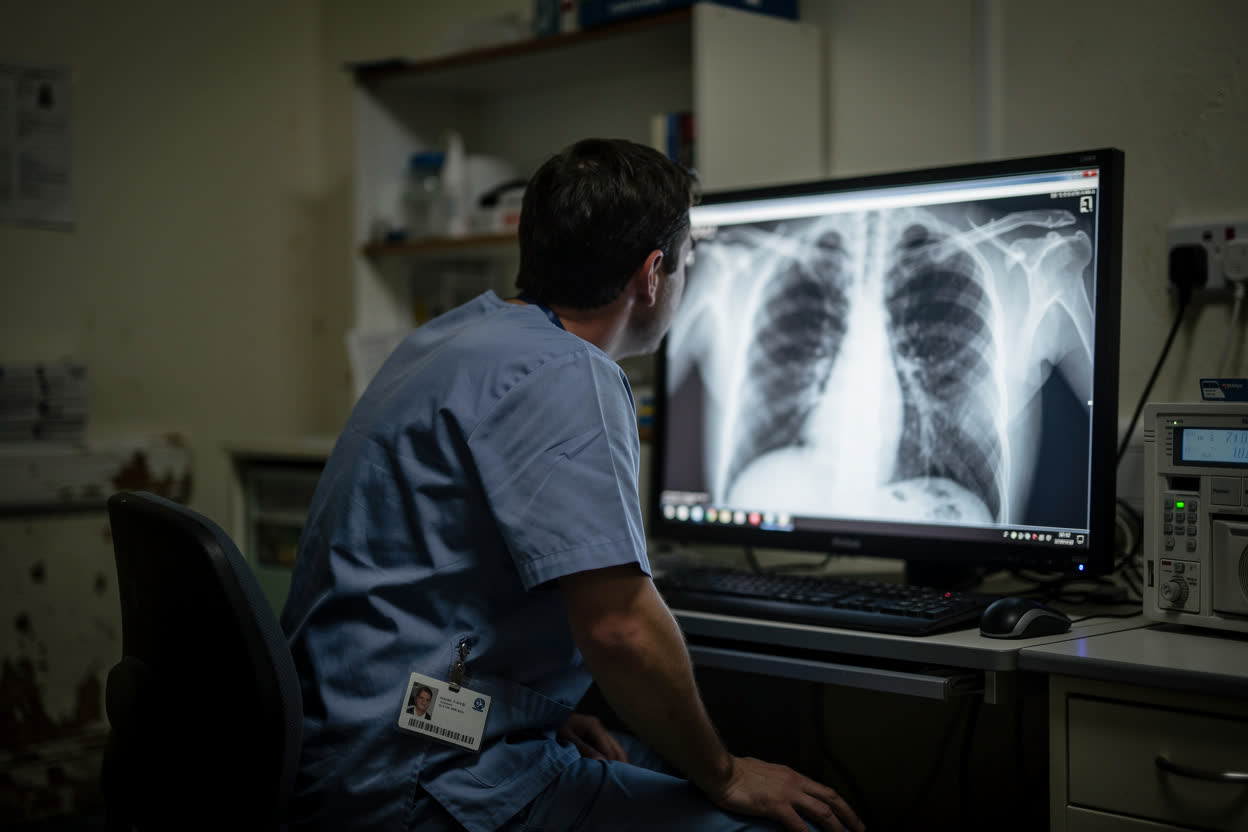
Mesothelioma is a cancer of the thin lining around the lungs, known as the pleura, or around the abdomen.

It is caused almost entirely by asbestos exposure, and can develop even after a relatively short exposure. Symptoms such as chest pain and breathlessness usually appear 20 to 50 years after the fibres were breathed in.

By the time mesothelioma is diagnosed it is usually advanced. It cannot be cured, and most people die within a few years of diagnosis.

Asbestos-Related Lung Cancer

Asbestos causes cancer of the lung itself. It looks the same as lung cancer caused by smoking, and has similar symptoms, such as a persistent cough, chest pain and coughing up blood.

It usually appears at least ten years after exposure, and often much later. The heavier and longer the exposure, the greater the risk.

Asbestos-related lung cancer is thought to cause as many deaths as mesothelioma, but many cases are never linked to asbestos, because the exposure happened so long ago.

Asbestosis and Pleural Disease

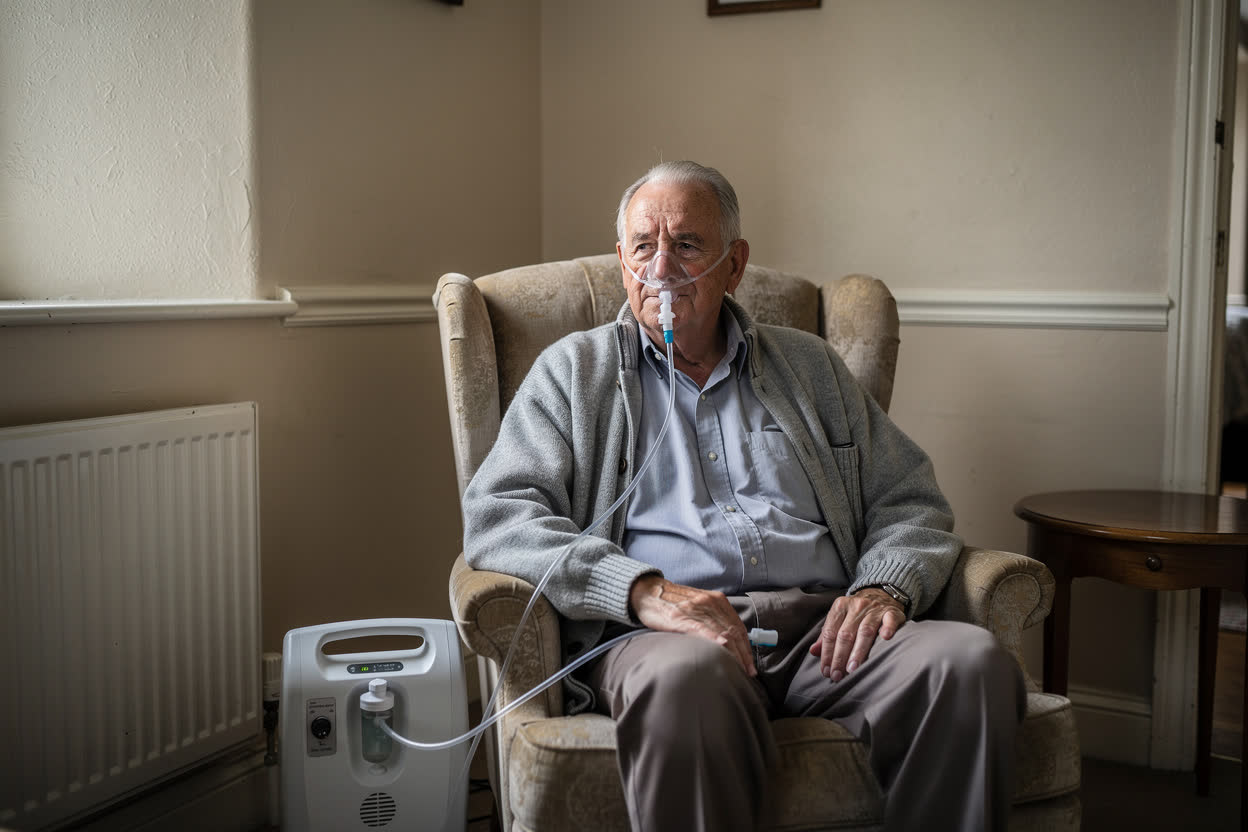
Asbestosis is a serious scarring of the lung tissue, caused by breathing in large amounts of asbestos over a long period. The scarring stiffens the lungs and causes severe breathlessness. It cannot be reversed, and it can be fatal.

Asbestos can also cause pleural thickening, where the lining of the lungs thickens and swells, making breathing difficult.

Pleural plaques are patches of thickened tissue on the lining. They do not usually cause symptoms themselves, but they show that a person has been exposed to asbestos.

Interpreting Pleural Changes and Symptoms
Diseases affect lungs and their liningsSymptoms are not a diagnosisTell clinicians about past work
Interpreting Pleural Changes and Symptoms

Asbestos-related disease includes conditions affecting lung tissue and the membranes around the lungs. Asbestosis involves scarring within the lungs, while pleural thickening affects the lining and can restrict lung expansion. Pleural plaques are localised areas of thickening and are often found during investigations for another reason. These conditions are not interchangeable, and a person cannot identify them by symptoms alone. Breathlessness, persistent cough or chest discomfort can have many causes, so anyone experiencing them should seek medical advice rather than self-diagnose.

When speaking with a clinician, explain the work history as clearly as possible: trades, buildings, approximate periods, materials and whether dust was generated. Family exposure through contaminated work clothing may also be relevant. Medical advice cannot undo past exposure, but a clear occupational history helps clinicians consider appropriate investigations.

The Long Delay
The Long Delay

There is usually a gap of 15 to 60 years between breathing in asbestos fibres and the first signs of disease.

This delay is why asbestos has been called a hidden killer. People who were exposed as young apprentices are being diagnosed today, long after the job was forgotten.

  • You will not know at the time that you have been exposed.
  • The risk increases with every exposure, so small doses add up.
  • Once fibres are in the lungs, nothing can be done to remove them.

The only protection is to avoid breathing in the fibres in the first place.

Asbestos and Smoking

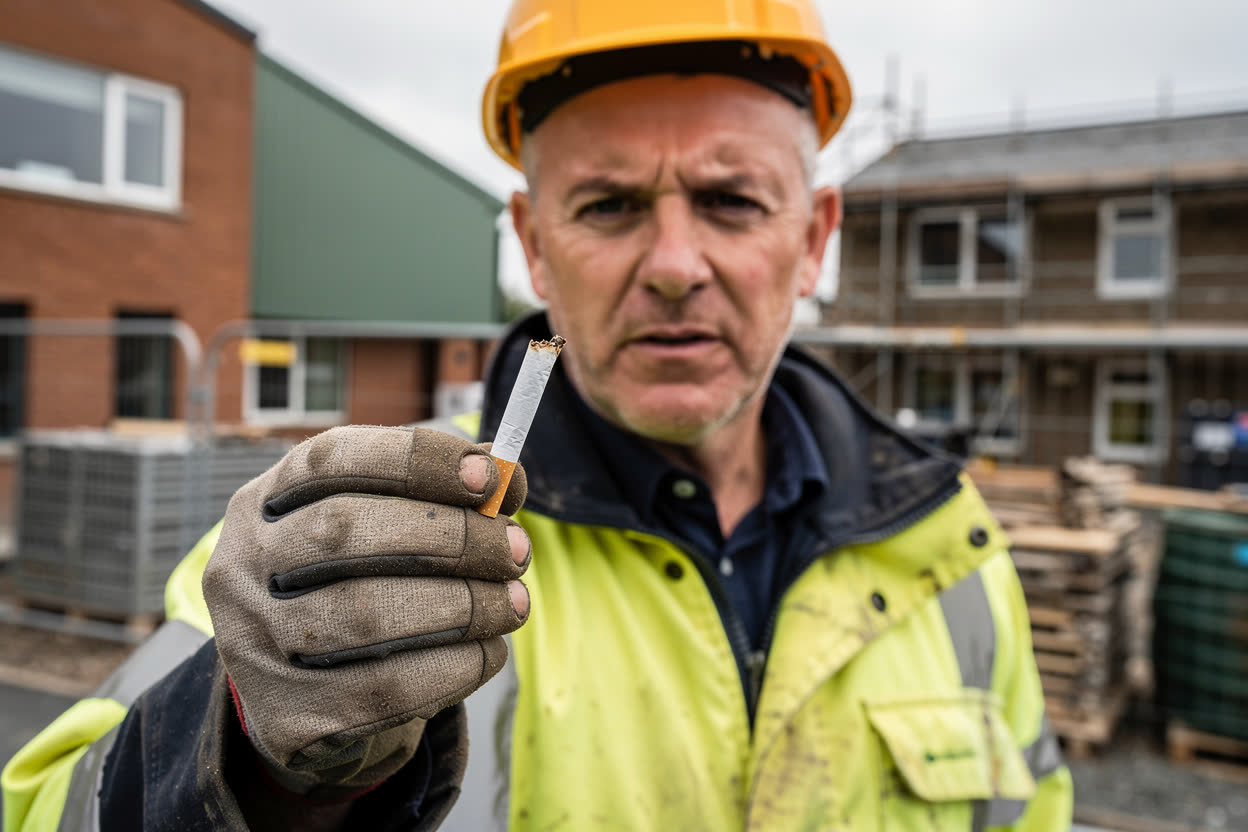
Smoking and asbestos are a deadly combination. Each one causes lung cancer on its own, but together the risk is multiplied, not simply added.

A person who smokes and has been exposed to asbestos is many times more likely to develop lung cancer than someone who has had neither exposure.

Stopping smoking at any age reduces the risk. If you have been exposed to asbestos in the past, giving up smoking is one of the most important things you can do for your health.

Smoking and Occupational Exposure
Smoking adds to lung cancer riskExposure controls remain essentialSeek support to stop smoking
Smoking and Occupational Exposure

Smoking is an important health factor for anyone with a history of asbestos exposure because the combination increases the risk of lung cancer. This information should support access to help, not shift responsibility for workplace safety onto the worker. Employers must still prevent or adequately control exposure, whatever a person’s smoking history. If you smoke and want to stop, a GP, pharmacist or local stop-smoking service can discuss practical support and treatments.

A worker with past exposure can also mention both smoking and asbestos when seeking medical advice, because the clinician needs a full picture of relevant risks. Do not assume that quitting makes future asbestos exposure acceptable, or that a non-smoker can safely take a shortcut. The prevention approach is the same for everyone: identify suspect materials, use the correct work method and controls, and stop if the job differs from the plan. Personal health choices and sound workplace controls work alongside one another, but neither replaces the other.

Exposure Limits
Exposure Limits

The law sets a control limit for asbestos fibres in the air that a worker breathes. It is 0.1 fibres per cubic centimetre of air, averaged over four hours.

For very short tasks, exposure must also never go above 0.6 fibres per cubic centimetre, measured over any ten minutes.

The control limit is not a safe level. Employers must always keep exposure as low as reasonably practicable, and well below the limit.

The Limit Is Not a Target
Exposure must be kept as low as possibleThe limit does not define safetyDo not use averages to excuse peaks
The Limit Is Not a Target

The workplace exposure limit is a legal ceiling used for measuring and controlling exposure; it is not a line below which asbestos becomes harmless. Employers must prevent exposure or reduce it to the lowest level reasonably practicable, using suitable controls before relying on respiratory protection. A result averaged across a sampling period also does not mean every moment was equally controlled. A brief dusty release can matter even if a longer average appears lower.

The control limit used in Great Britain is 0.1 fibres per millilitre as a four-hour time-weighted average. For certain specified non-licensed tasks, an additional short-term limit applies, but it does not remove the requirement to minimise exposure. Workers should not try to estimate fibre levels by eye or decide to continue because dust is not visible. Sampling and interpretation belong to competent people using appropriate methods. The best approach is to prevent dust being created and stop the work if controls fail.

Respiratory Protective Equipment

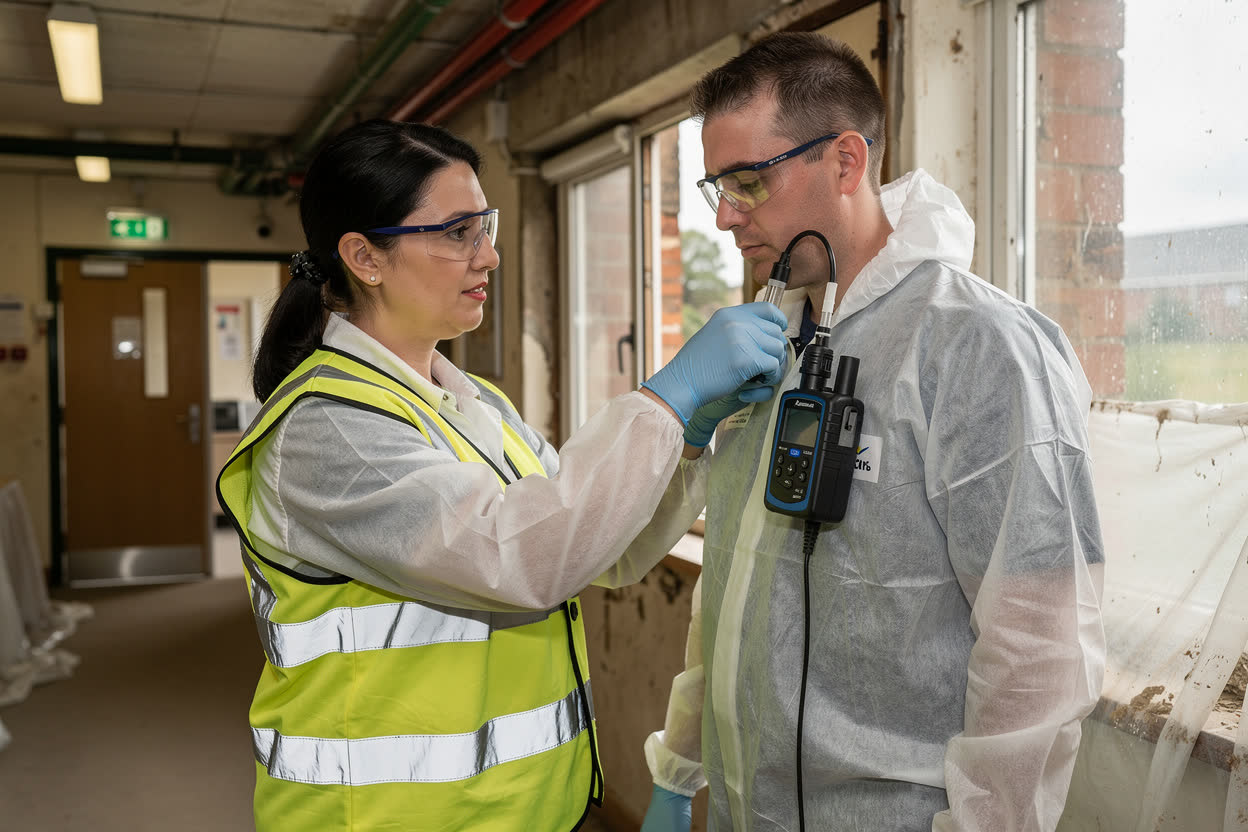
Respiratory protective equipment, known as RPE, is the last line of defence. It is only used alongside other controls such as wetting the material, using hand tools and keeping work areas sealed.

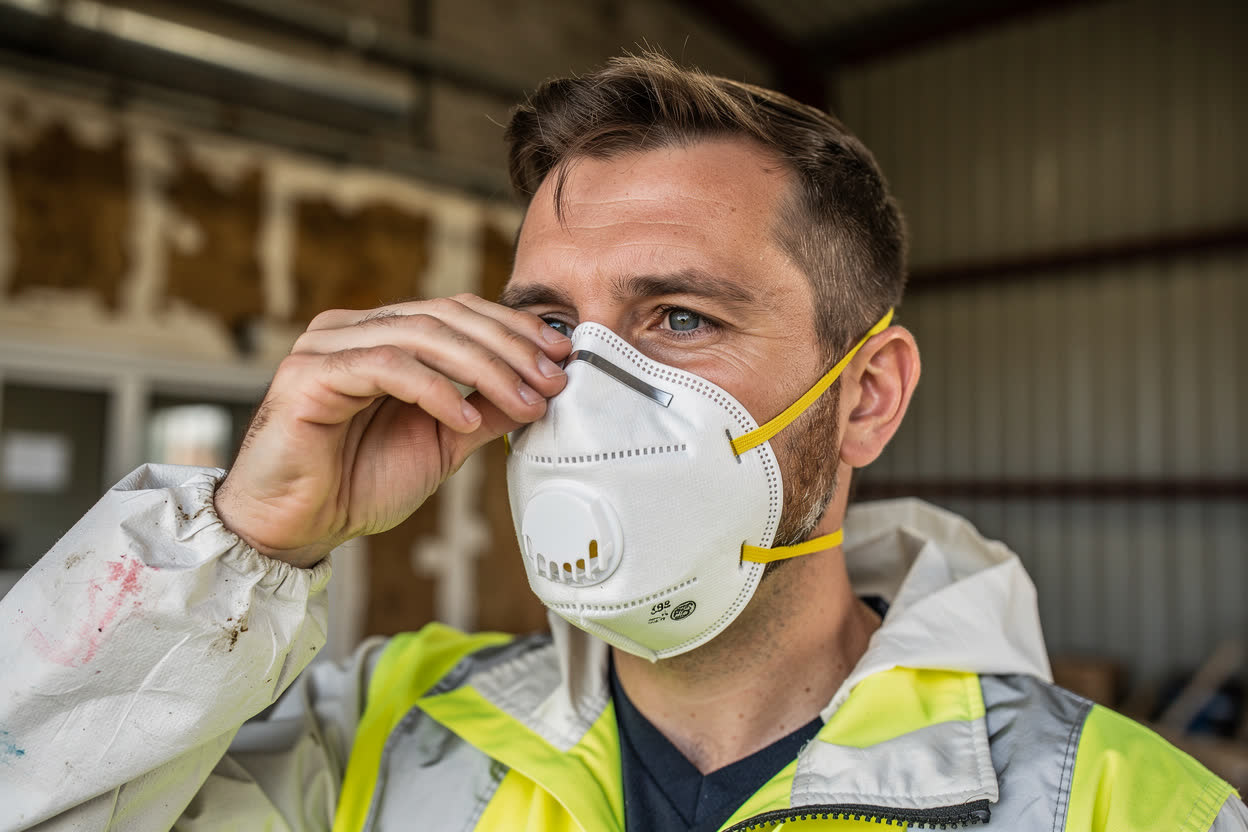
  • For lower-risk asbestos tasks, the minimum is a disposable FFP3 mask, or a half mask with a P3 filter.
  • Masks must be face-fit tested for each wearer, and you must be clean shaven where the mask seals.
  • Ordinary dust masks give no protection against asbestos.

Awareness-level workers should never need RPE for asbestos, because they should never disturb it.

Choose Respiratory Protection Through Assessment
RPE supports other control measuresCorrect fit matters to protectionFollow task-specific training and checks
Choose Respiratory Protection Through Assessment

Respiratory protective equipment is selected as part of a planned control system, not as a substitute for controlling dust at its source. The required type depends on the task and assessment. A mask must fit the individual wearer; a face-fit test checks that the chosen tight-fitting model seals properly. Facial hair or anything crossing the seal can undermine that fit. The wearer also needs instruction on how to put the equipment on, check it, use it throughout the task and remove it without spreading contamination.

Filters, storage and maintenance must match the equipment manufacturer’s instructions and the work arrangements. A disposable dust mask or a respirator selected casually from a van is not an adequate decision process. Workers doing awareness-level duties should not be assigned an asbestos task just because a respirator is available. If RPE is damaged, uncomfortable or does not pass its fit check, stop and report the problem before exposure occurs.

Protective Clothing and Decontamination

Workers doing permitted asbestos tasks wear disposable coveralls with a hood, usually type 5 and 6, and boots without laces.

Contaminated clothing must never be taken home or shaken out. After the work, workers decontaminate on site:

  • Coveralls are wiped down, removed carefully by peeling them inside out, and bagged as asbestos waste.
  • RPE is kept on until all contaminated clothing is removed.
  • Workers then wash thoroughly, using the facilities provided.
Decontamination Prevents Take-Home Exposure
Keep contaminated clothing at workRemove protective items in sequenceBag used materials as asbestos waste
Decontamination Prevents Take-Home Exposure

Decontamination is planned before asbestos work begins, with a clear route from the work area to the place where workers can remove contamination. The method depends on the job and the controls in place, and workers must be trained to follow it. Disposable coveralls should not be shaken, brushed off or taken home for washing. Tools and reusable equipment also need the cleaning method set out for the task.

Used wipes, disposable clothing and other contaminated items must be managed as asbestos waste under the site arrangements. A worker should know where clean clothing is kept and how to avoid crossing clean areas while still contaminated. If the planned facilities are not available or the route is blocked, tell the supervisor before work starts. Family members have been exposed through contaminated work clothes in the past, so preventing transfer beyond the work area is a core part of protecting others.

Health Surveillance
Health Surveillance

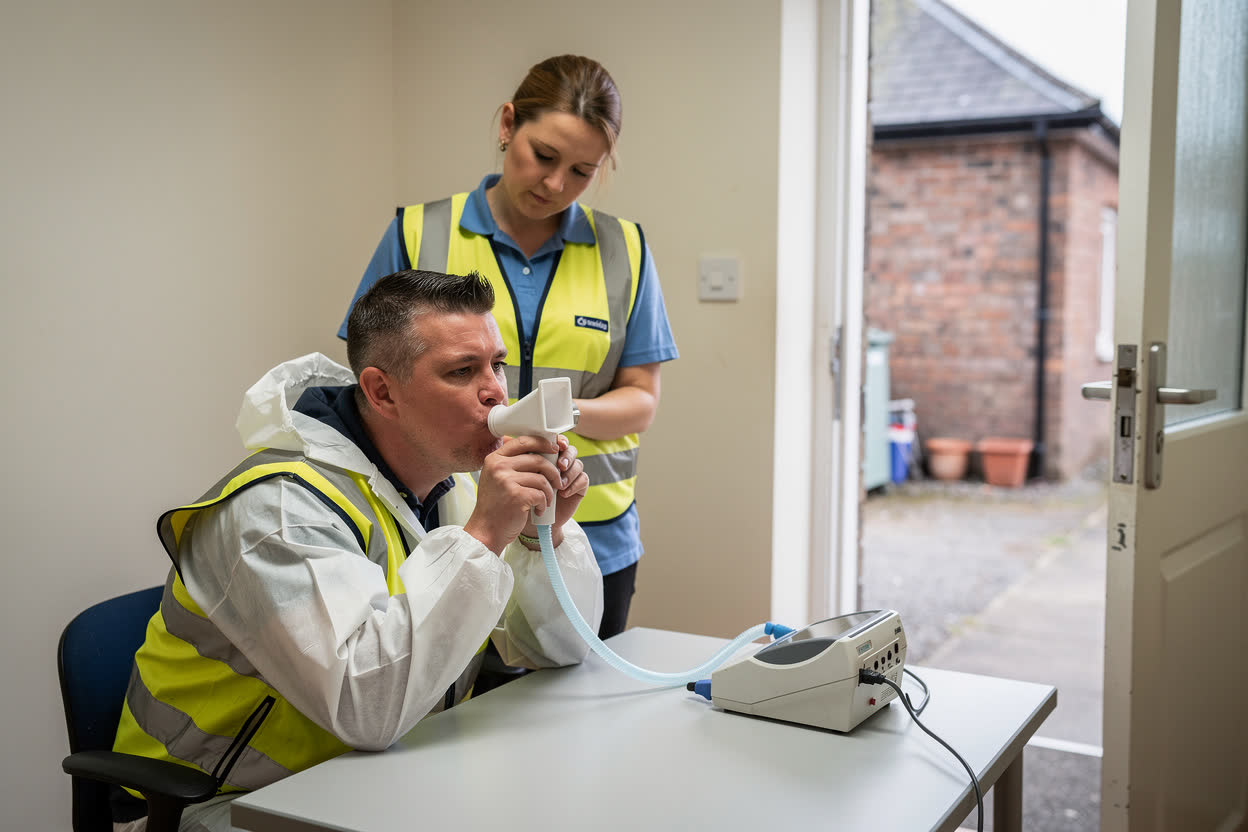
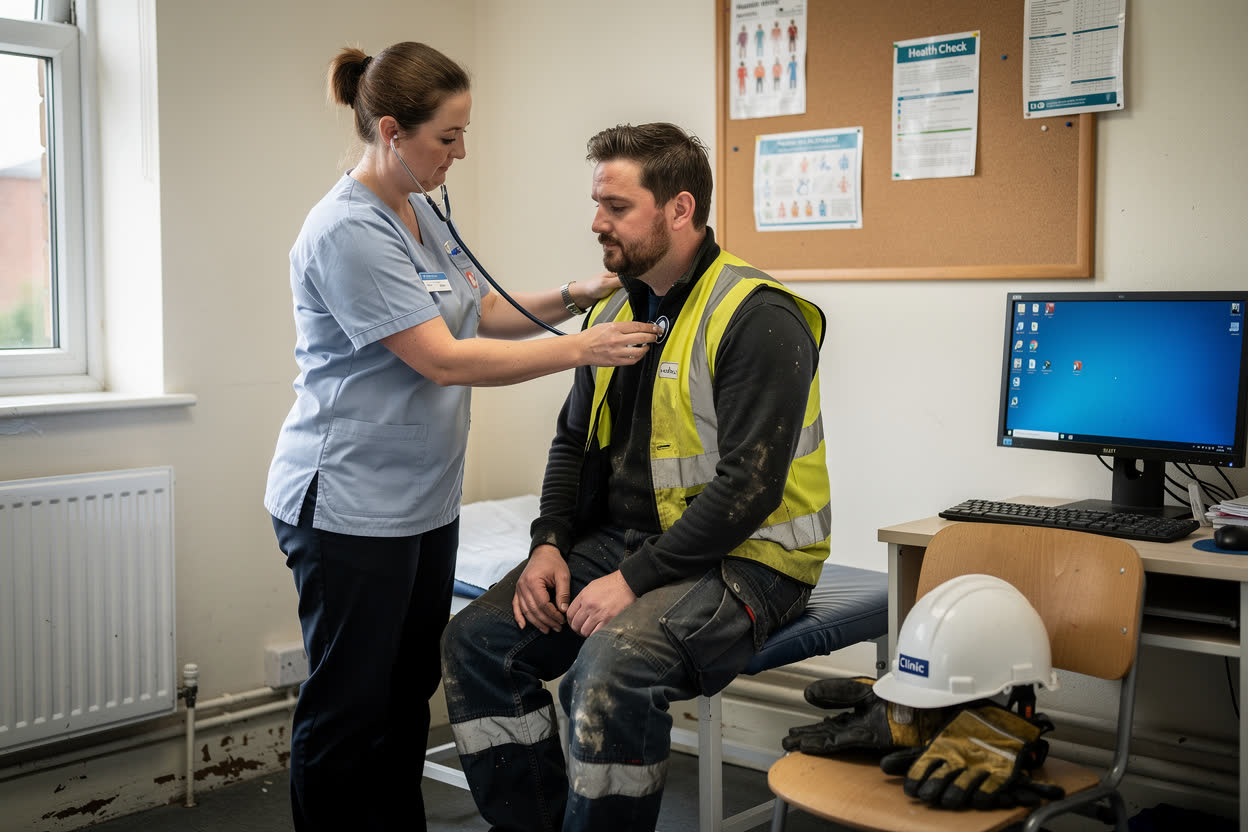
Workers who do licensed asbestos work must have a medical examination at least every two years. Those doing notifiable non-licensed work must have one at least every three years.

Health records for these workers must be kept for 40 years.

If you have worked with or near asbestos in the past, tell your doctor. It helps them to recognise symptoms early.

Medical Surveillance and Exposure Records
Requirements depend on the type of workKeep required records securelyReport exposure incidents promptly
Medical Surveillance and Exposure Records

Medical surveillance and record keeping apply to particular categories of asbestos work, rather than to every person who has attended an awareness course. Employers must identify which requirements apply before the job starts and arrange the required examinations through an appropriate occupational health provider. For notifiable non-licensed work, medical examinations are required at least every three years; for licensed work, at least every two years.

Health records for employees exposed to asbestos must be retained for the statutory period. These formal arrangements do not replace ordinary incident reporting: if an accidental release occurs, tell the employer promptly so they can determine who may have been affected and what records or advice are needed. Workers should keep their own training and employment history where possible, especially if they move between employers. Do not interpret a medical examination as proof that a task was safe or that exposure can be accepted.

Summary

In this module, you have learned that:

Breathed-in asbestos fibres stay in the lungs for life, and there is no known safe level of exposure.

Asbestos causes mesothelioma, lung cancer, asbestosis and pleural disease, usually 15 to 60 years after exposure.

Smoking multiplies the risk, and exposure must always be kept as low as possible, with RPE as the last line of defence.

In the final module, you will learn exactly what to do if you find suspect material, or disturb asbestos by accident.

Knowledge Check
Which of these asbestos materials releases fibres most easily?
Select one answer, then press Check.
Asbestos cement roof sheets
Vinyl floor tiles
Sprayed asbestos coating
Textured decorative coating
Correct. Sprayed coatings are highly friable and can release fibres just by being touched.
Not quite. Think about which material is soft and crumbles easily, and try again.
Next Module →Answer the question to unlock the next module.
Page 1 of 24